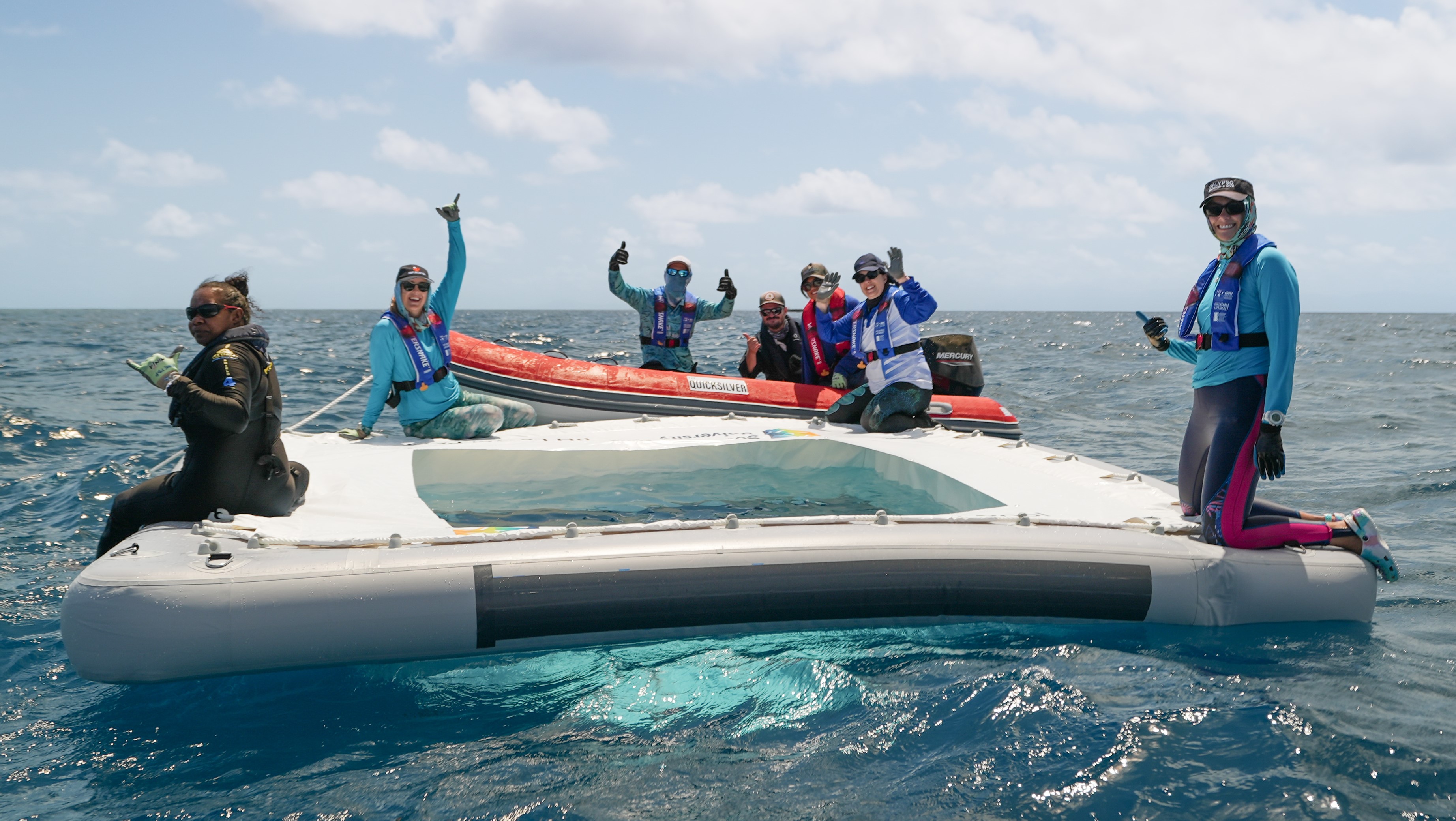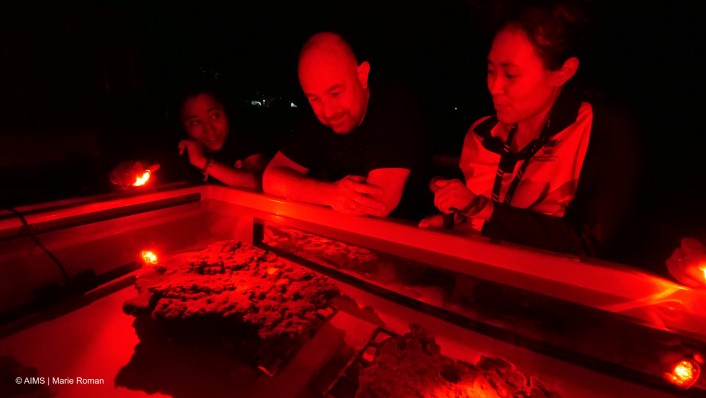
Climate change is the greatest threat to the world’s coral reefs. Reducing emissions will limit its impacts, but this action alone is no longer enough to guarantee the future of reefs.

Suites of interventions are being developed and trialled to increase coral reef resilience by helping reefs resist, adapt to or recover from the impacts of climate change

Components

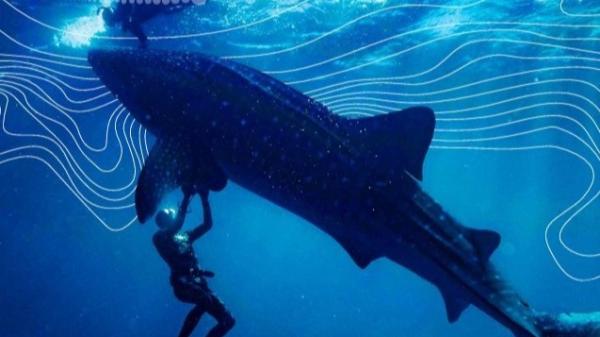
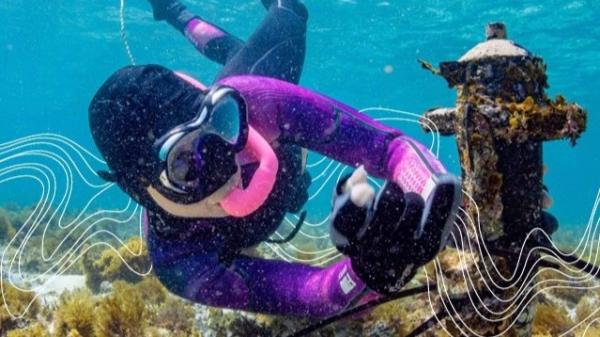
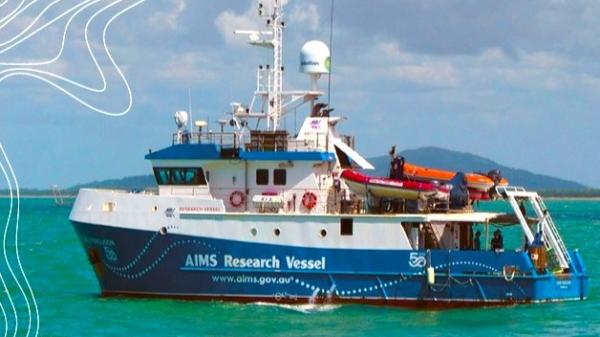
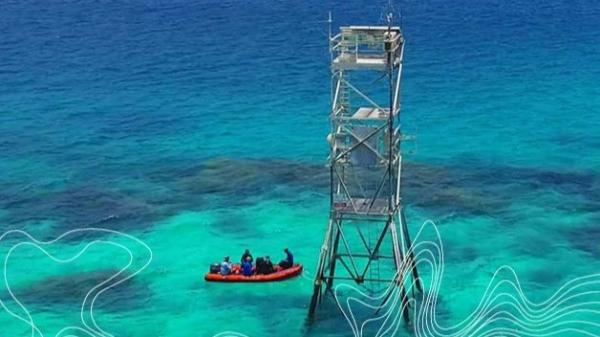
Feature images (clockwise from left): M. Curnock, SCU, UQ, M. Roman, M. Roman, G. Burrows

Hide Title
Off
Search category

The gender pay gap is the difference in average earnings between women and men in the workforce, expressed as a proportion of men’s earnings. It is the consequence of a range of societal, industrial, and organisational factors that combine to reduce a person’s earning capacity.

It is not to be confused with equal pay that is being paid the same of the same or comparable job.

Components
Hide Title
Off
Search category

The challenge

In Australia, the cost of decommissioning offshore oil and gas infrastructure at the end of its operational life is estimated to be US$40.5 billion involving approximately 1000 wells and more than 8000 km of pipeline.

To help inform decommissioning decision making, scientists, including those at AIMS, are working to understand in more detail the impacts of what happens when we remove infrastructure fully, leave it partly in place, or repurpose it after it has reached the end of its operational life.

Hide Title
Off
Search category

One of the greatest challenges of reef restoration on the Great Barrier Reef is its vast size. AIMS and its partners are meeting this challenge by bringing together the latest science, innovative technologies, and people power.

Components

Monitoring pilot deployments 

Monitoring of the young corals after deployments is essential to understand the efficacy of the methods, and inform future iterations.  Monitoring of sites will be conducted at multiple scales, and be carried out by science teams, industry and participating Traditional Owner groups. 

Manual and tech-based monitoring approaches such as ReefScan and photogrammetry will be used across the sites, with some surveys continuing after the three-year program concludes. 

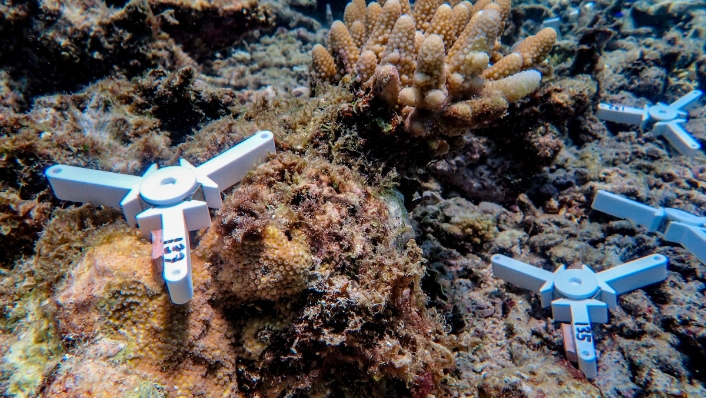
Coral seeding devices on a reef
Coral seeding devices on a reef. Image: Saskia Jurriaans

Device locations are geotagged and monitored in 6-month and 1-year intervals to measure retention, coral growth and survival. This data will help assess conservation aquaculture  and inform coral resilience research.   

People power behind the Pilot Deployments Program 

A key practical part of scaling up reef restoration is to empower local people and industries, by building skills, capacity and partnerships. 

One way to do this is by providing training in the advanced skills of reef restoration, with the intention that these skills will become increasingly valuable as reef restoration activities expand in the future.

In 2025, the Pilot Deployments Program established a Panel of Providers to deliver specific services and solutions over a three-year period. This includes coral seeding, monitoring and data collection.  The Panel of Providers has Traditional Owner representatives, as well as tourism and commercial reef operators, and members of the coral collection and aquarist industry.

Traditional Owners  

Traditional Owners hold important cultural and spiritual connections to Country, including sea Country on the Great Barrier Reef. These connections power deep knowledge and care for the Reef, and inherent rights and responsibility for its future.

The Pilot Deployments Program works closely with Indigenous communities. Free, prior and informed consent is obtained through Traditional Owner engagement before any Pilot Deployments Program activities. 

For example, the AIMS-led Indigenous Futures Project works in partnership with Indigenous Ranger groups and the Pilot Deployments Program. Its goal is to empower Traditional Owners to lead in caring for sea Country through reef restoration techniques. A pilot group of Indigenous Rangers are being trained in advanced skills for reef interventions, enabling them to lead these activities within their ranger groups for the future of sea Country when and where required. 

Indigenous Rangers on two boats in tropical waters
Indigenous Futures participants near Heron Island in 2024. Image: Phil Schouteten

Technological advances for Pilot Deployments Program 

Several technologies have been pioneered and refined for use in Pilot Deployments Program operations. Technological advances will continue based on feedback from early Pilot Deployments Program data. Some examples of technologies which have already emerged include:

Management

The innovative approaches being developed within the RRAP and the Pilot Deployments Program contribute to a toolbox of options for future management needs. It is critical they are developed with this end-use in mind.

Pilot Deployments Program activities align with Reef protection objectives, regulations and permitting processes from the Reef Authority and the Queensland Department of Environment, Tourism, Science and Innovation (DETSI).

AIMS collaborates with both regulatory bodies to codesign and implement the trials, and continue R&D.

The Pilot Deployments Program is funded by the Australian Government’s Reef Trust, and led by the Australian Institute of Marine Science. It is part of the Reef Restoration and Adaptation Program, funded by the partnership between the Reef Trust and the Great Barrier Reef Foundation.  

Hide Title
Off
Search category

To fight the compounding negative impacts of climate change and plastic pollution on marine environments, AIMS scientists have teamed up with India’s National Centre for Coastal Research (NCCR). 

Hide Title
Off
Search category

Long-Term Monitoring Program
Annual Summary Report of Coral Reef Condition 2024/2025

Substantial impacts from 2024 mass coral bleaching and cyclones reduce regional coral cover to near long-term average

6th August 2025


Download the 2024/2025 report | 6.7MB


Components
Hide Title
Off
Search category