
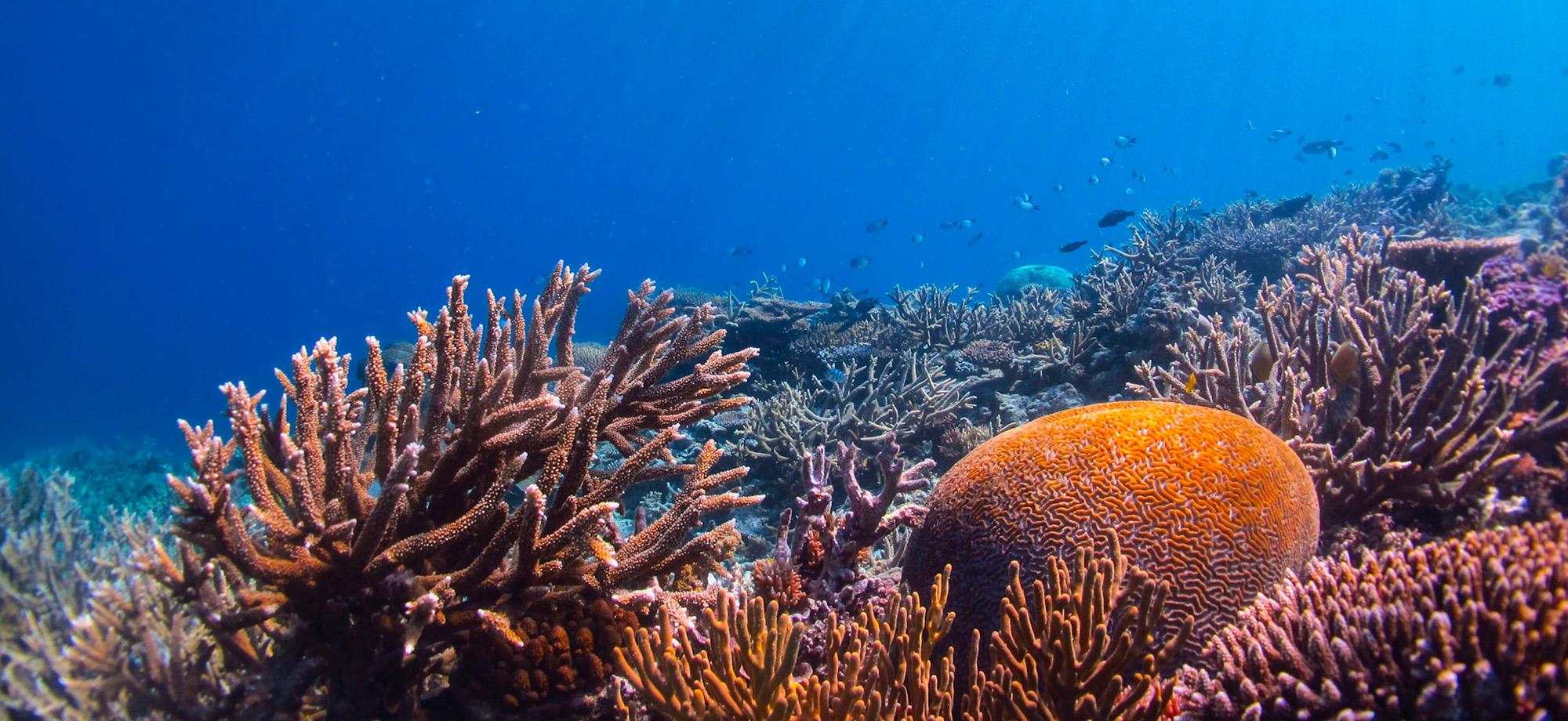
The Australian Institute of Marine Science is one of multiple research organisations involved in the Reef Restoration and Adaptation Program (RRAP), the largest collaborative effort to help the Great Barrier Reef resist, adapt and recover from climate change.
RRAP brings together some of the best minds in marine science, traditional environmental knowledge, technology, social sciences, risk assessments, engineering, philanthropy, management and local Reef industry to create a toolkit of effective, large-scale Reef interventions that are feasible, safe, acceptable and affordable. These could be implemented if, when and where it is decided action is needed.
Modelling shows these interventions are likely to be required in addition to emissions reduction and enhancements to existing Reef management activities like marine park zoning, crown-of-thorns starfish control and water quality improvements.
These interventions form a suite of options that could be used to protect and restore high value locations, as well as help it more broadly adapt to a warmer future.
The program works closely with Traditional Owners and Indigenous groups, and engages community and industry stakeholders and interests in the co-design, deployment and evaluation of proposed interventions or technologies.
The research and development (R&D) phase of the program concluded in 2026, and its innovations continue through the Pilot Deployments Program, funded by the Australian Government’s Reef Trust, and led by AIMS.
Visit the Reef Restoration and Adaptation Program website

AIMS' role in RRAP
AIMS is proud of its central role in the collaborative program since 2018.
Our foundational work in areas such as coral symbiosis, heat tolerance and adaptation, coral breeding and recruitment underpins many of the interventions assessed for development and included in large-scale field trials.
We made key scientific advancements under the R&D program, investigating ways to increase the heat tolerance of corals and their algal symbionts, and developing coral aquaculture methods and ways to distribute them in the wild.
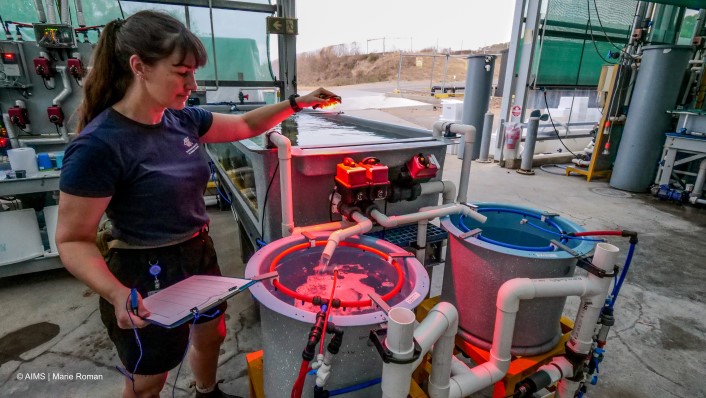
Our world-leading National Sea Simulator continues to play a critical role in developing and testing these interventions.
We provide ecological knowledge to support and evaluate interventions, and developed decision support tools for the program.
As host of the independent Managing Entity during the R&D phase, AIMS delivered timely and cost-effective administration of the program. This included:
- guiding Traditional Owner engagement and securing Free Prior and Informed Consent (FPIC) and Traditional Owner involvement in the research through the AIMS Indigenous Partnerships team
- administration by the AIMS Risk team of the Independent Risk Review Group, which provided guidance on risk assessment processes.
AIMS leads the Pilot Deployments Program, responsible for the delivery of large-scale field trials. We also lead the Intervention Risk Review Group and Traditional Owner engagement for the program.
Collaborative research and development
AIMS helped steer the collaborative program from 2018 with a rigorous and comprehensive investigation into medium- and large-scale reef interventions. This 18-month concept feasibility study concluded successful intervention was possible, and would benefit the Reef and Australians under a wide range of climatic scenarios, but that time was of the essence, and we had a fast-closing window of opportunity.
From 2020 to 2026, the RRAP R&D phase united 17 organisations and institutions across 13 subprograms in one of the most comprehensive reef restoration and adaptation research efforts undertaken for the Great Barrier Reef. It delivered a comprehensive body of research, testing and risk assessment across a range of potential interventions for the Great Barrier Reef. The program's findings, methods and partnerships provide a solid foundation for future research, field trials and decision-making.
It was funded by the partnership between the Australian Government’s Reef Trust and the Great Barrier Reef Foundation.
Read the RRAP Synthesis Report
Delivering RRAP innovations through field trials
The Pilot Deployments Program, officially launched in 2025, takes RRAP intervention toolkits from the workbench, aquaria and lab, and trials them at increasingly large scales on the Reef – an essential step in developing the foundation of future restoration efforts to support the outstanding universal values of the Reef.
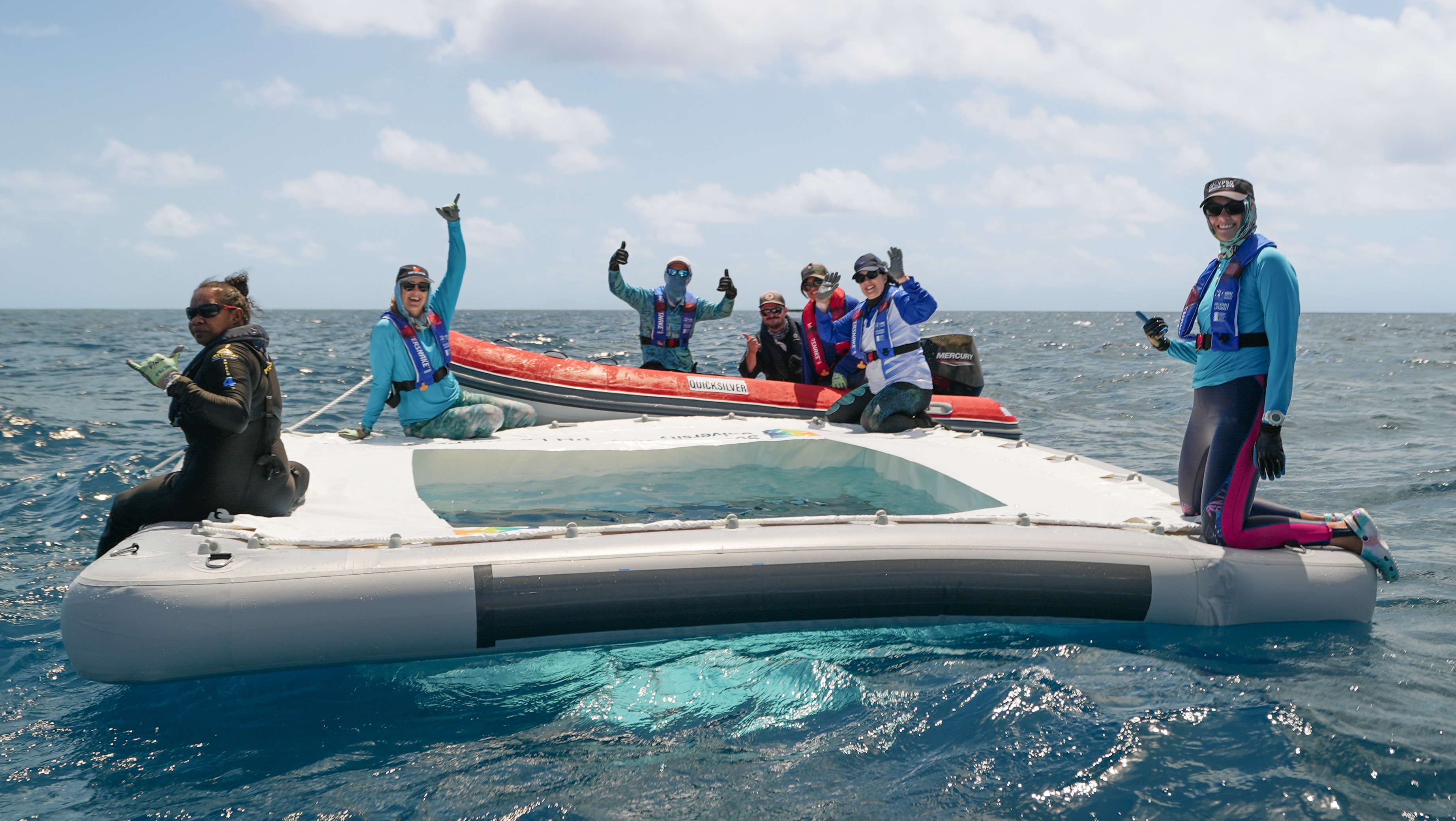
As the operational arm of RRAP, the Pilot Deployments Program is working with Traditional Owners, community groups and industry partners such as the coral aquaculture industry. Together, we are developing best-practice approaches and understanding supply chains, technology, and the people power needed to build a large-scale operational reef restoration program.
The Pilot Deployments Program is funded to 2029 by the Australian Government’s Reef Trust.
Learn more
Explore the research, reports and partnerships behind the Reef Restoration and Adaptation Program.


