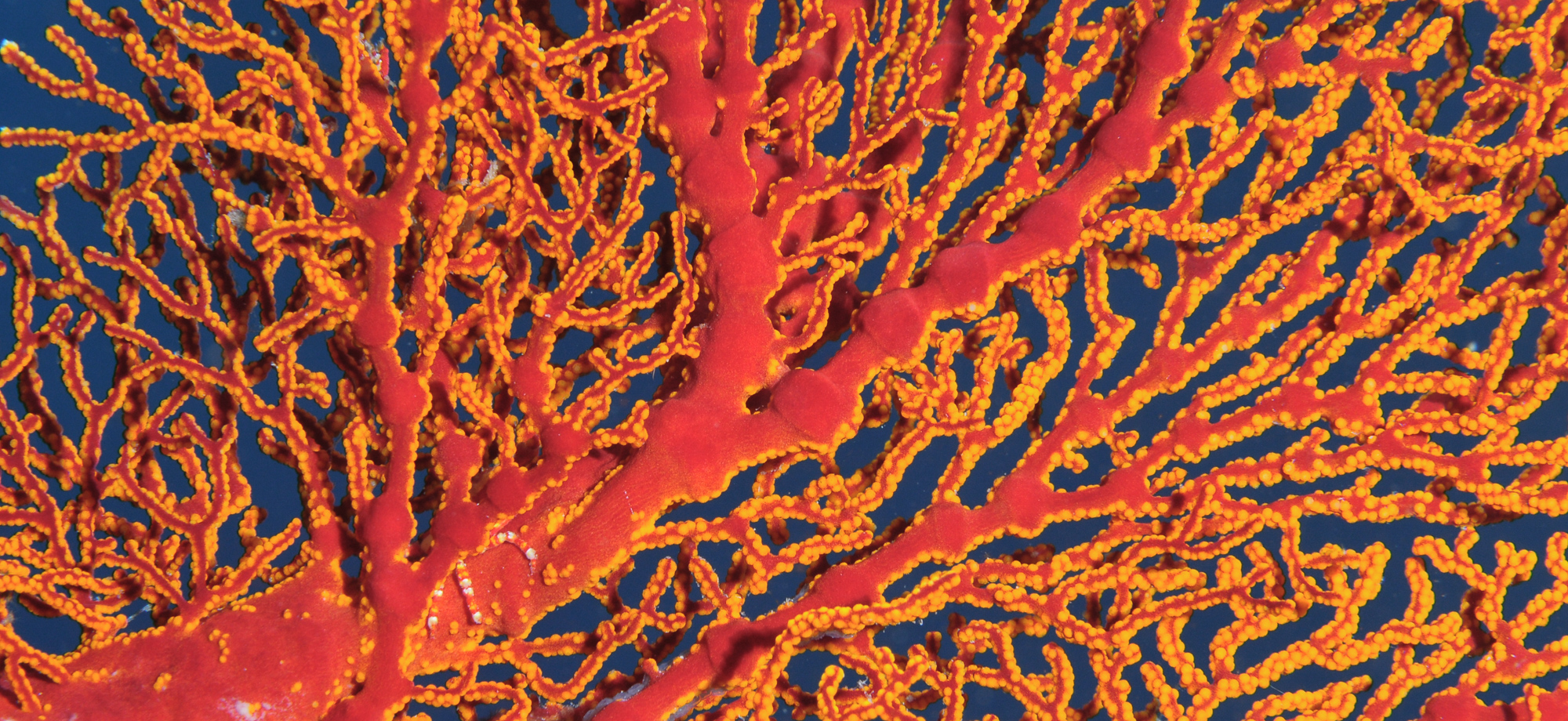
Adult fragments of a coral species can better tolerate bleaching and recover faster when treated with tougher heat-evolved symbionts.
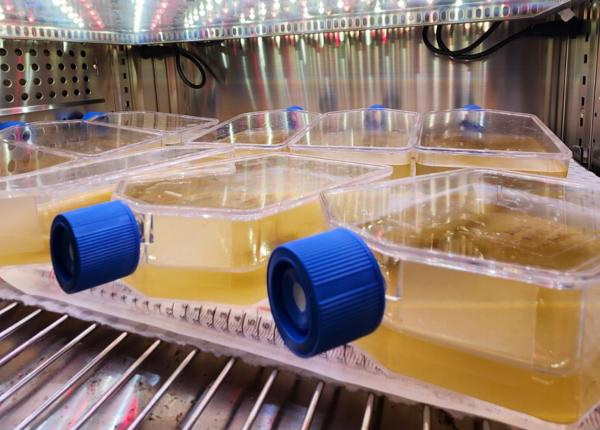
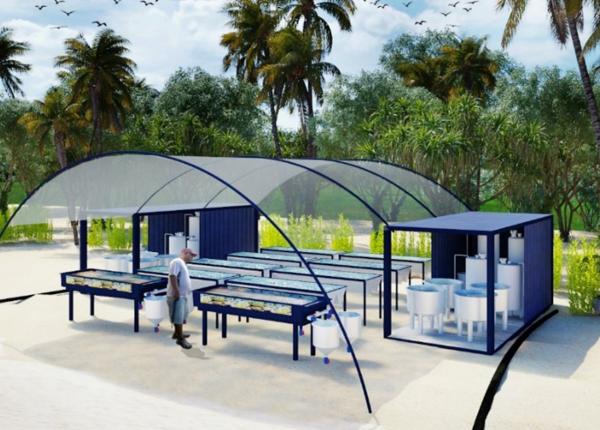
Portable aquariums that can be set up in remote areas to each propagate up to 100,000 young corals at a time for reef restoration will be developed by the Australian Institute of Marine Science.
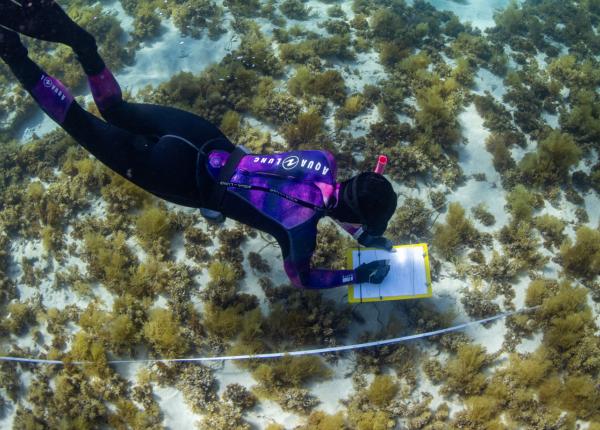
The Australian Institute of Marine Science (AIMS) is exploring how a seaweed called Sargassum could reduce the severity of climate change by storing carbon in tropical seascapes.
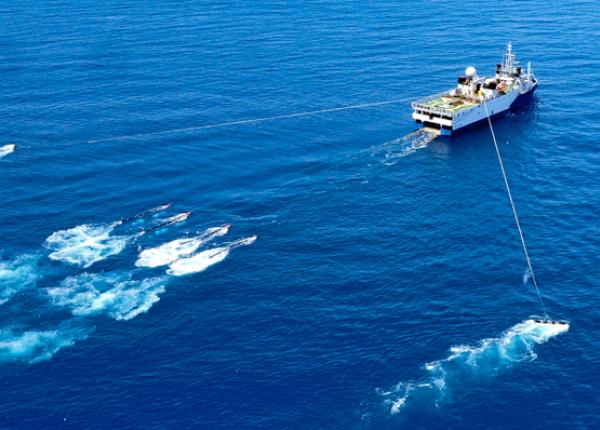
New research suggests that exposure to a single seismic survey is unlikely to increase mortality or affect pearl production in adults of an oyster species farmed in Australian waters.
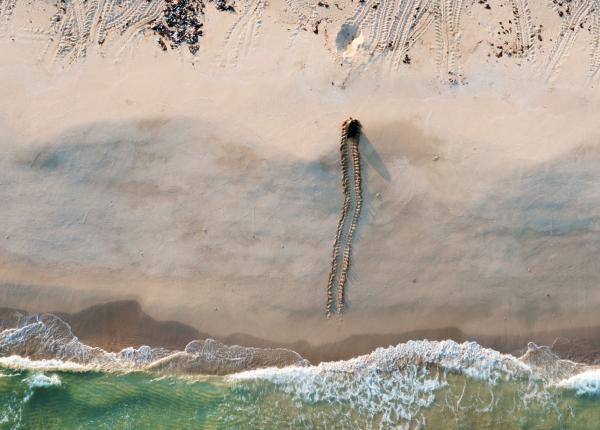
A partnership between AIMS, CDU and several Northern Territory Ranger groups will look to tackle the effects of climate change on North Australia’s turtle population.
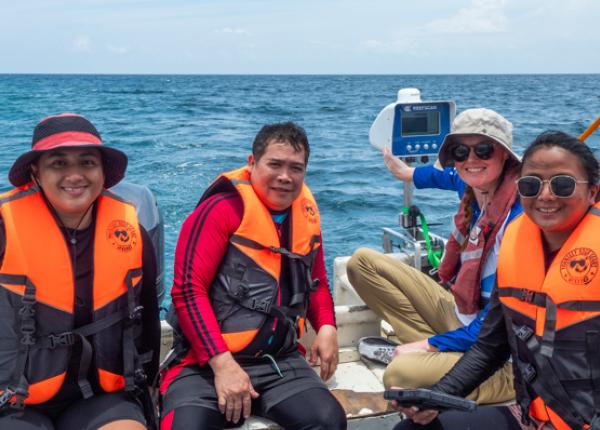
Innovative AIMS-developed coral reef monitoring technology is being adopted in the Philippines.
Featured image: Roxana Caha, CC BY-NC-ND
Ten years ago, the National Sea Simulator opened its doors to marine scientists and changed the way they worked forever.
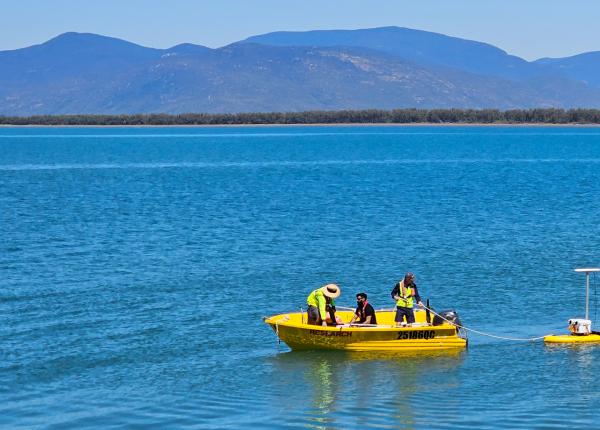
Australia’s fledgling autonomous marine technology industry put its newest products to the test at ReefWorks, AIMS’ tropical marine technology test range, during an Open Range event.