Data Pipeline Engineer
Posted 1 year 10 months ago
Design, develop and improve key digital workstreams associated with emerging physical technological solutions.

Design, develop and improve key digital workstreams associated with emerging physical technological solutions.
Have a key role in advancing data analytics & AI applications across AIMS & enabling the delivery of insights, solutions & support to end-users & stakeholders.
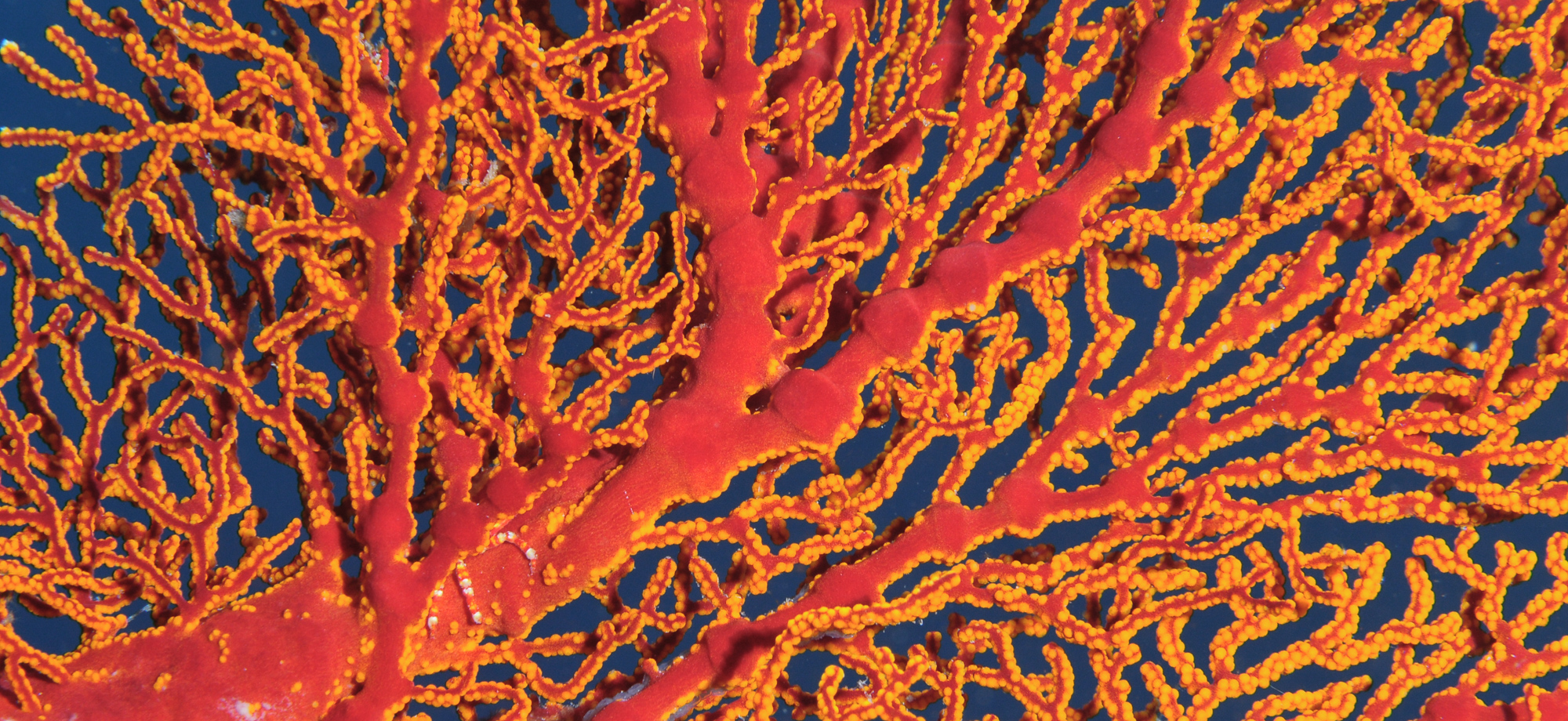


An AIMS’ marine science graduate will be blazing a trail in the United States later this year after winning a prestigious Fulbright Postgraduate Scholarship to help further her research into a plankton species and its role in dangerous algae blooms.


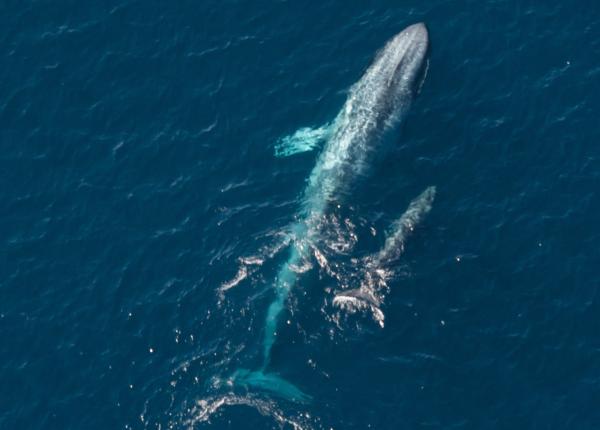
What is thought to be the youngest pygmy blue whale ever seen in Australian waters has been sighted off the Ningaloo coast as researchers renewed efforts to tag the endangered species.
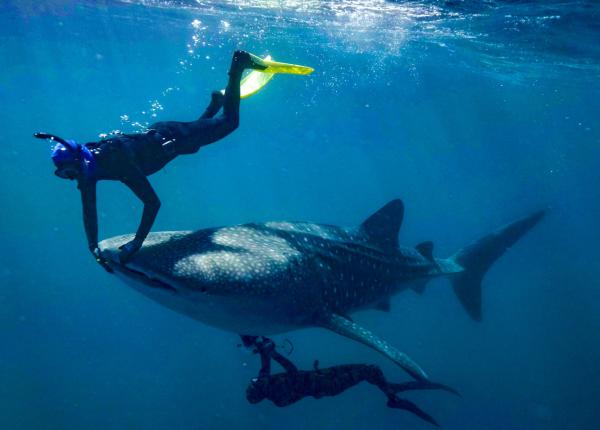
An international team of researchers has discovered a new method of imaging free-swimming whale sharks using underwater ultrasound.
Aquarists in SeaSim have manipulated environmental “signals” to reproduce corals months ahead of the natural spawning season, at a more convenient time for scientists conducting world-leading reef restoration research.

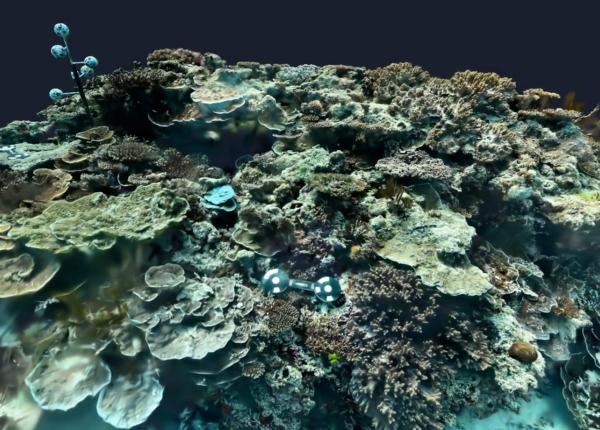
Photo-realistic 3D images of sections of the Great Barrier Reef that will aid recovery and management efforts could be produced faster and more accurately thanks to a new partnership between AIMS and La Trobe University.
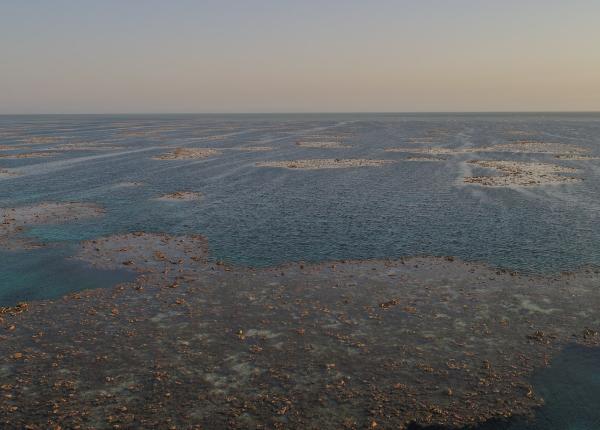
A new study has used drone technology and cutting-edge analytical methods for the first time to map the intertidal coral reefs of the Rowley Shoals off the Kimberley coast of Western Australia.
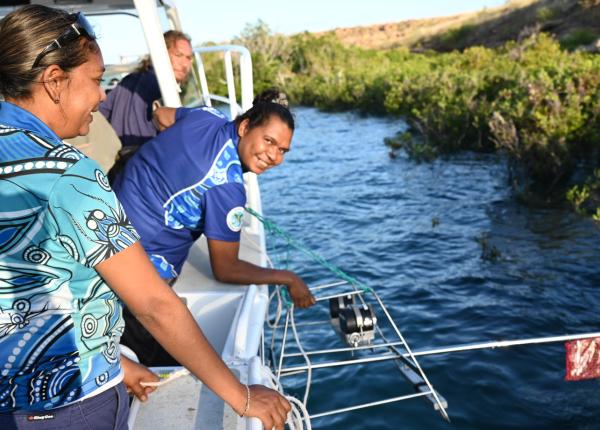
AIMS scientists partnered with Indigenous communities in the remote Kimberley region of Australia’s north west to monitor culturally important fish populations on coral reefs and incorporate the variability in data to better inform sea Country management.
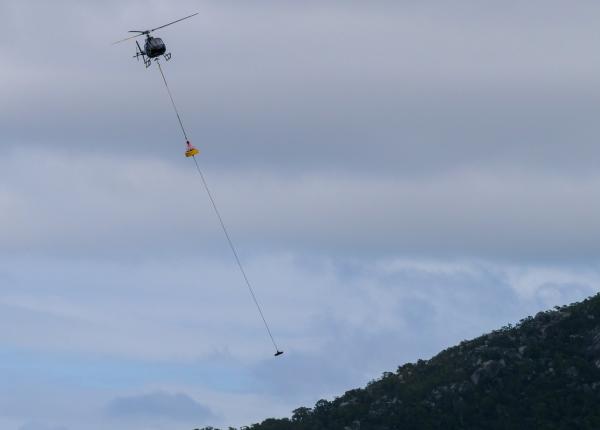
AIMS worked with Townsville Helicopters to modify and successfully test a system to deliver and retrieve heavy cargo without human intervention from remote marine locations via helicopter.