Getting to know marine life better thanks to enhanced animal tracking in Queensland
Share this:


27 February 2025
Share this



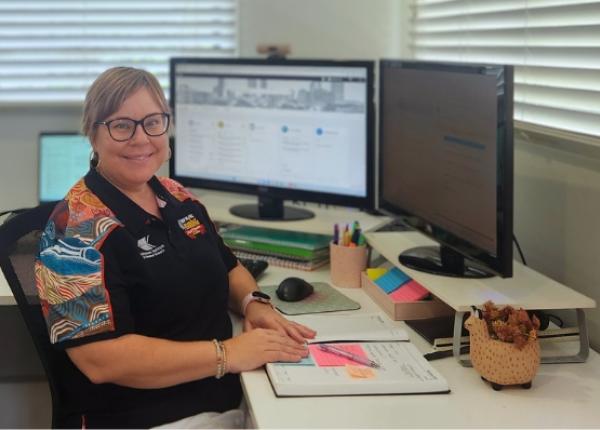
We asked the all-women Blue Carbon lab team to share their thoughts on their careers, inspriation and advice this International Women and Girls in Science Day.
Is it a sinker or a floater? And where does it go?
They’re the questions AIMS scientists investigated when they recently studied the dispersal of Sargassum seaweed along the Ningaloo Coast in Western Australia.
Whale sharks are drawn to natural underwater features such as seamounts and canyons as well as artificial features like offshore oil and gas platforms, with both acting as migratory “stepping stones”, a
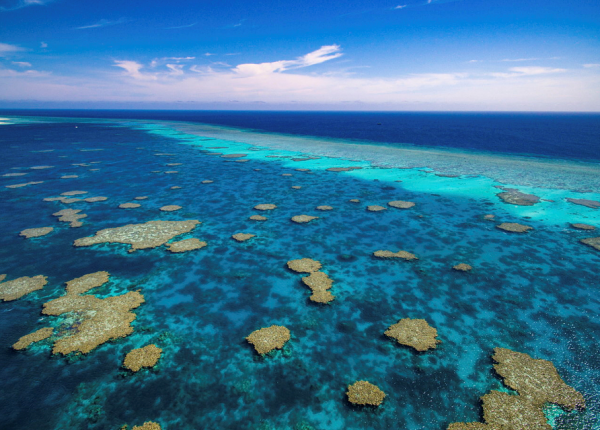
Life on the Great Barrier Reef is undergoing big changes in the face of climate change and other human-caused pressures, a new study reveals.
Research on Scott Reef off Northwest Australia has shown that local coral connections help boost the resilience of remote atoll reef systems following bleaching and storms.