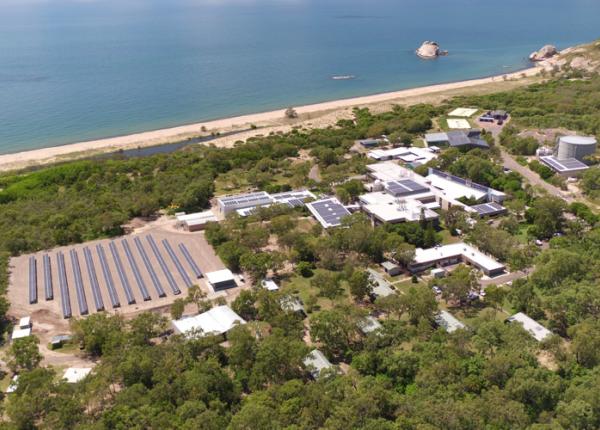
An impressive $2.25 million solar system is now set to deliver a major savings at AIMS' headquarters.
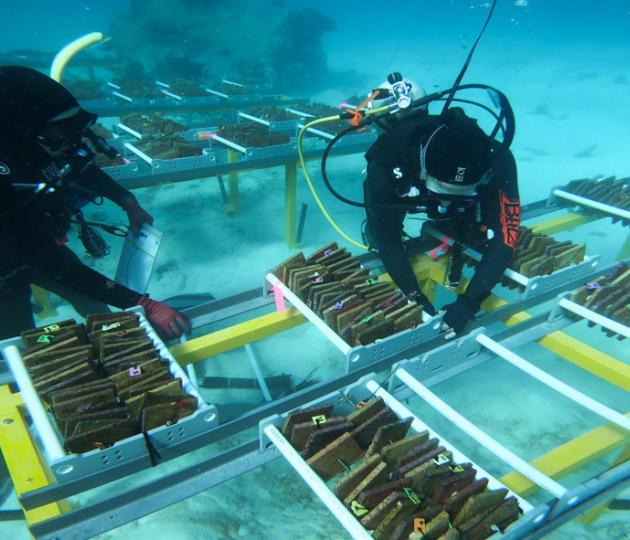
The Australian Institute of Marine Science is set to play a crucial role in the next stage of the largest coordinated effort to help the Great Barrier Reef adapt and build resilience to climate change.
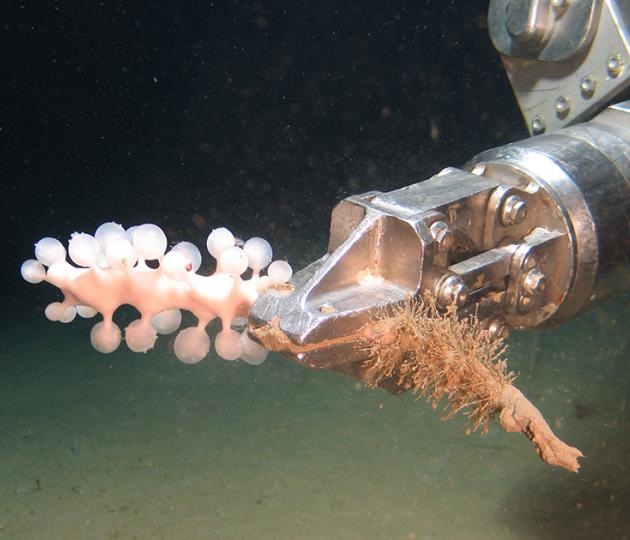
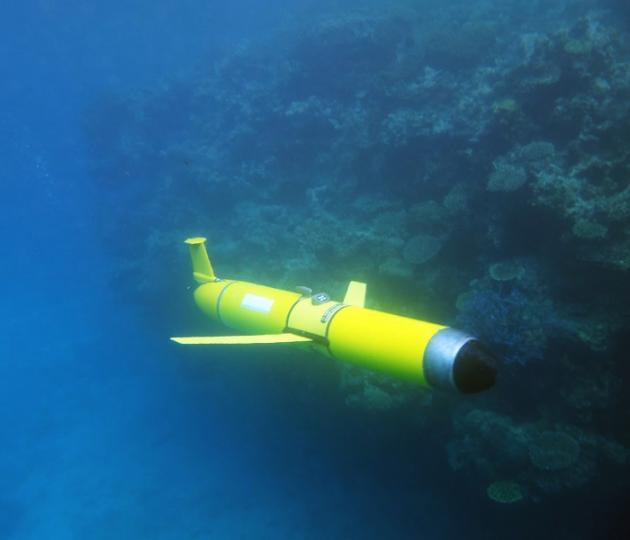
Remotely operated vehicles used by the oil and gas sector can be enhanced to gather more scientific data, researchers say.
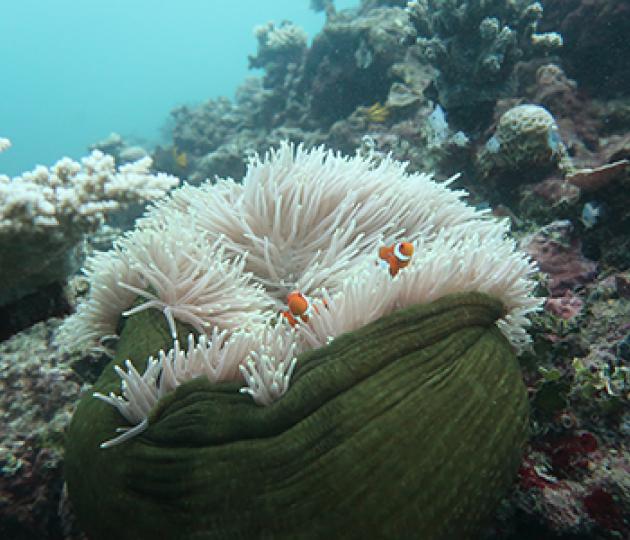
In another “hit” to the Australian environment this Summer, the Great Barrier Reef experienced extensive and widespread coral bleaching. This mass bleaching follows the unprecedented and successive bleaching events of 2016 and 2017.
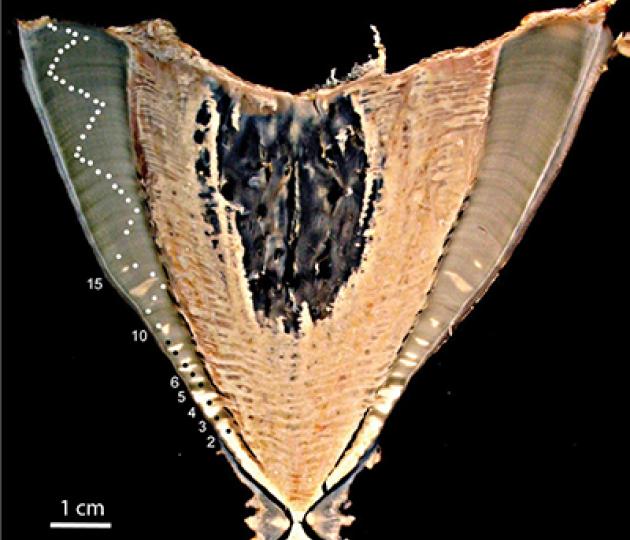
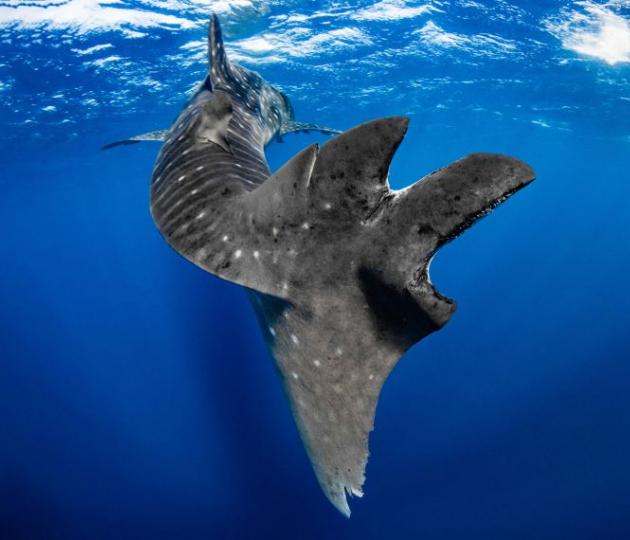
The radioactive legacy of the arms race solves a mystery about the world’s largest fish.
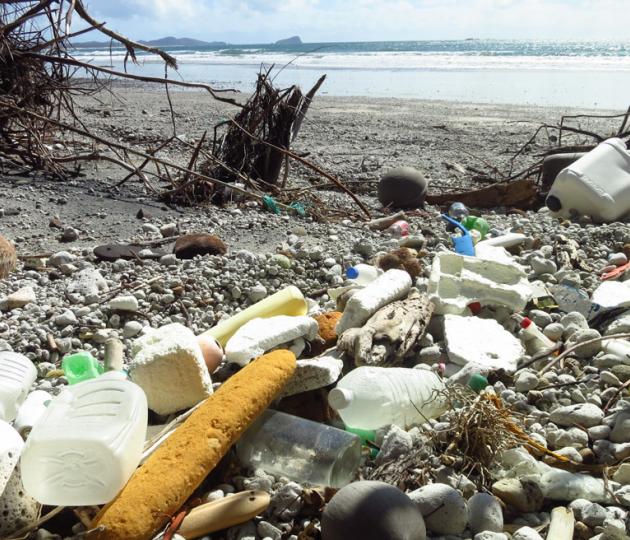
Scientists have identified critical knowledge gaps for a number of contaminants entering into the waters of Great Barrier Reef and Torres Strait.
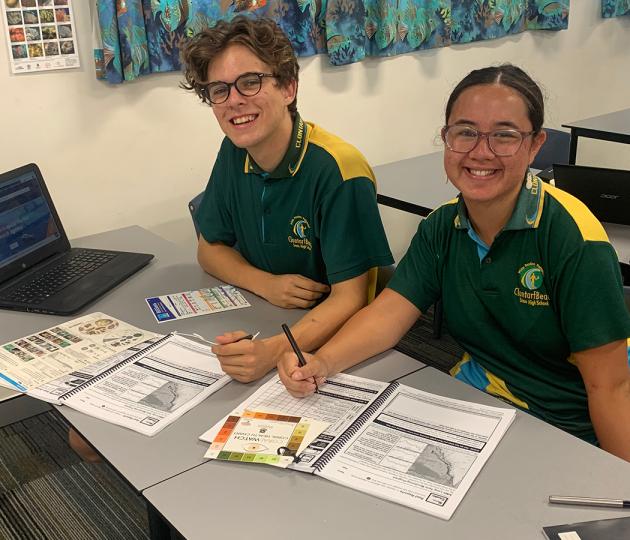
Queensland’s marine science students are now accessing the latest in long-term monitoring information on the health of the Great Barrier Reef.
Ocean temperatures across parts of the Great Barrier Reef have been above or close to thresholds where there is a high risk of coral bleaching for several weeks.
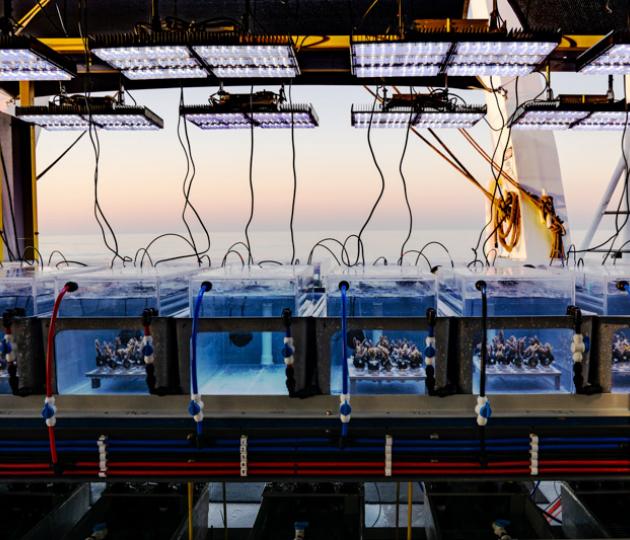
Marine scientists are using portable ship-borne aquaria - the SeaSim in a box - to search for heat-resistant corals that could survive warming ocean temperatures.
Scarring and major lacerations due to vessel collisions becoming more common, study finds.