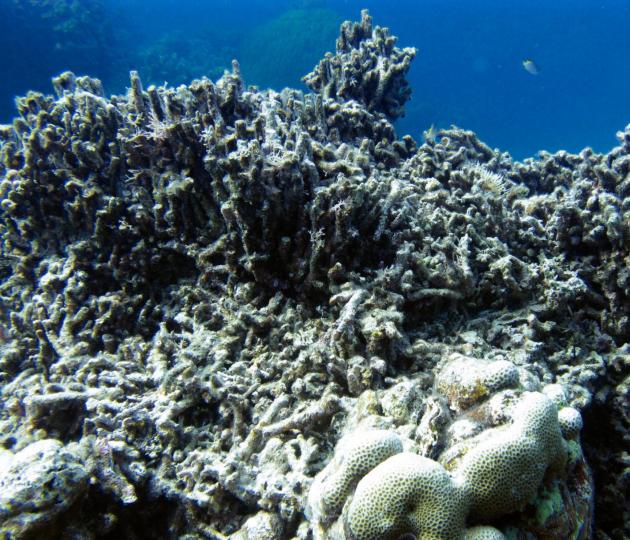
Research finds current models underestimate the impact of hurricanes and typhoons on coral reef communities.
New results indicate the potential for 'assisted evolution' to increase the thermal tolerance of corals, and thus help their adaptation.
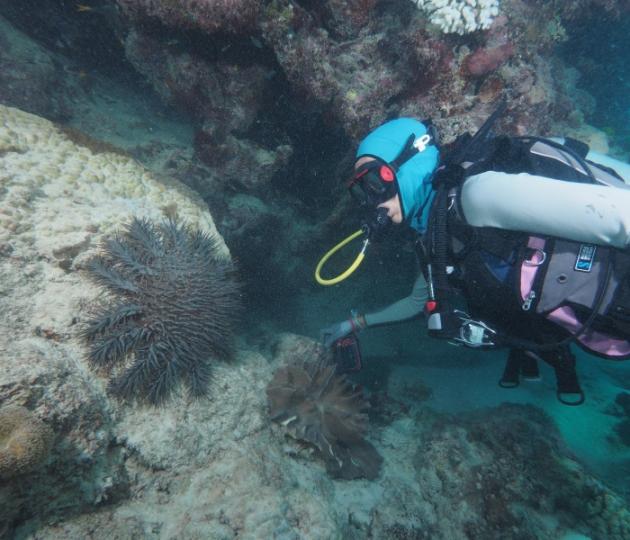
AIMS research finds the destructive starfish is eaten more often than thought.
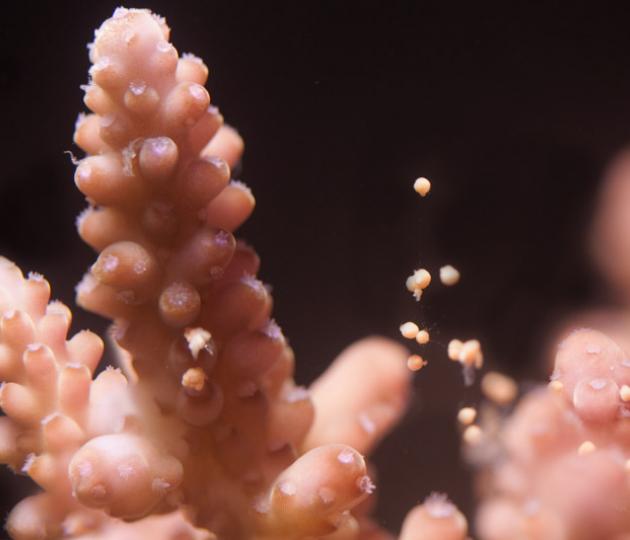
Scientists have successfully produced in a laboratory setting a coral that is more resistant to increased seawater temperatures.
An impressive $2.25 million solar system is now set to deliver a major savings at AIMS' headquarters.
The Australian Institute of Marine Science is set to play a crucial role in the next stage of the largest coordinated effort to help the Great Barrier Reef adapt and build resilience to climate change.
Remotely operated vehicles used by the oil and gas sector can be enhanced to gather more scientific data, researchers say.
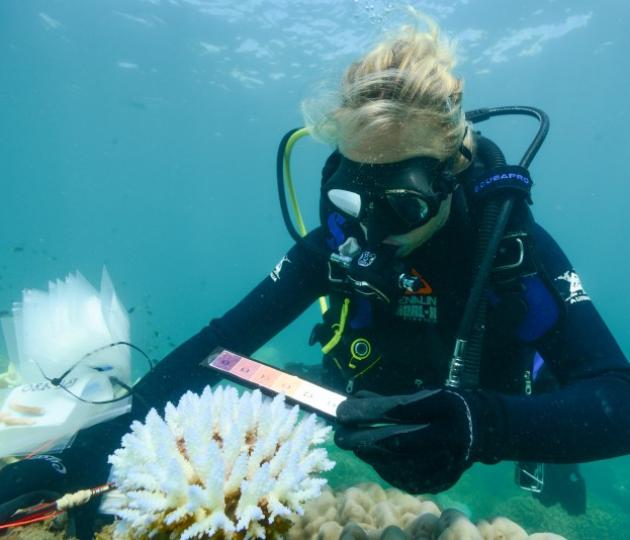
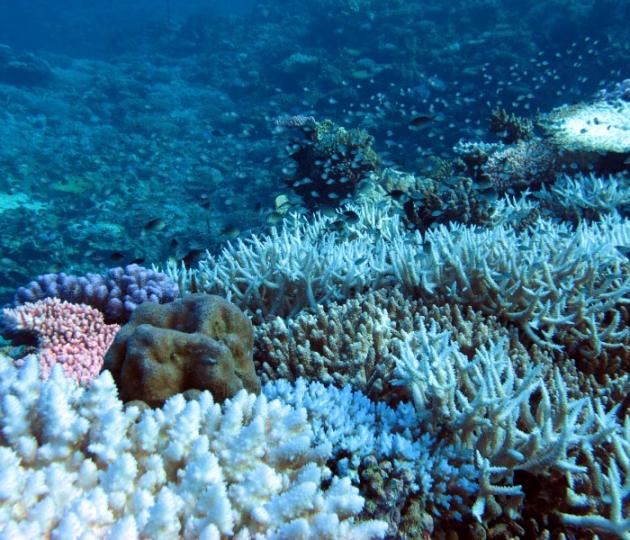
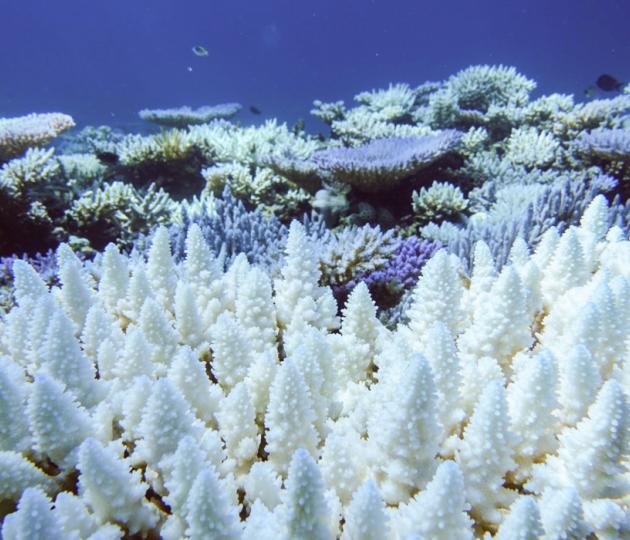
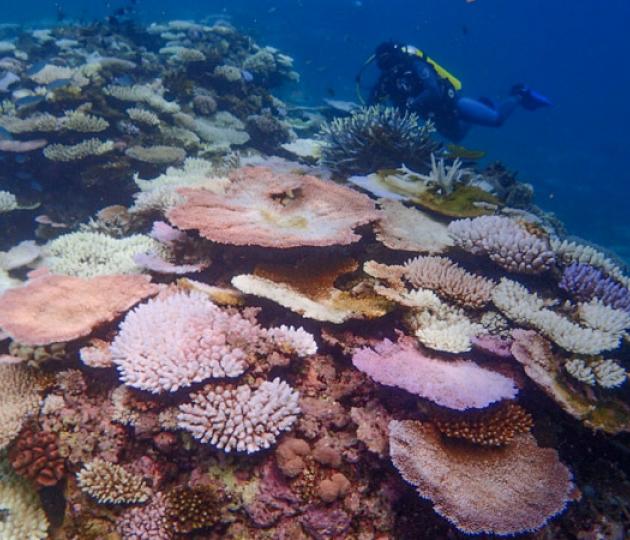
In another “hit” to the Australian environment this Summer, the Great Barrier Reef experienced extensive and widespread coral bleaching. This mass bleaching follows the unprecedented and successive bleaching events of 2016 and 2017.
The radioactive legacy of the arms race solves a mystery about the world’s largest fish.
Scientists have identified critical knowledge gaps for a number of contaminants entering into the waters of Great Barrier Reef and Torres Strait.