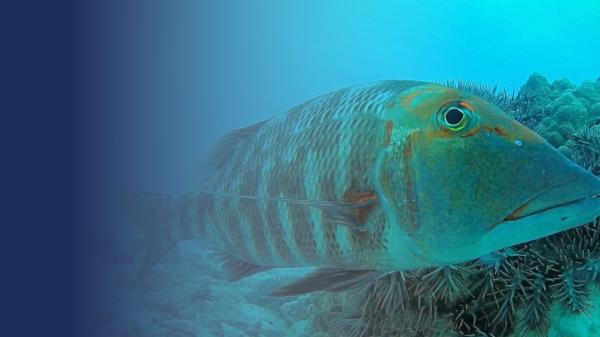
Researchers at the Australian Institute of Marine Science have developed a cost effective method for detecting DNA of the coral-eating crown-of-thorns starfish.

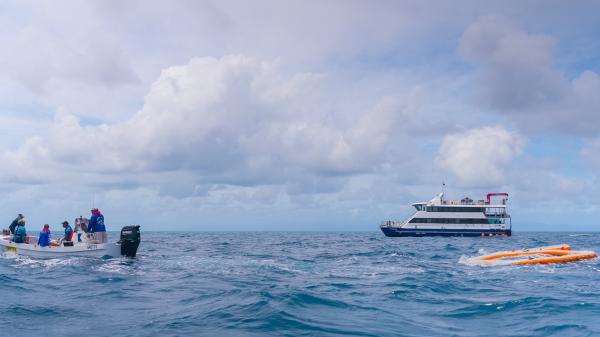
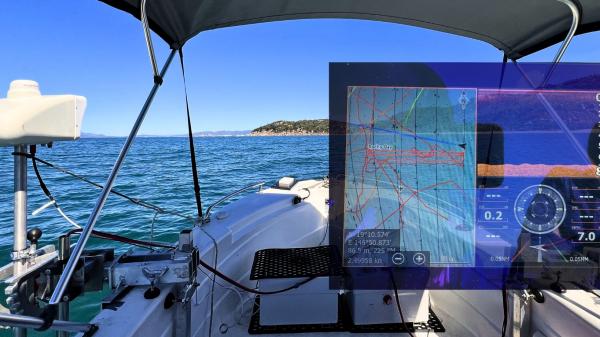
AIMS researchers have broken new ground while trialling aerial and underwater robots at sea, which would allow greater monitoring of the Great Barrier Reef.

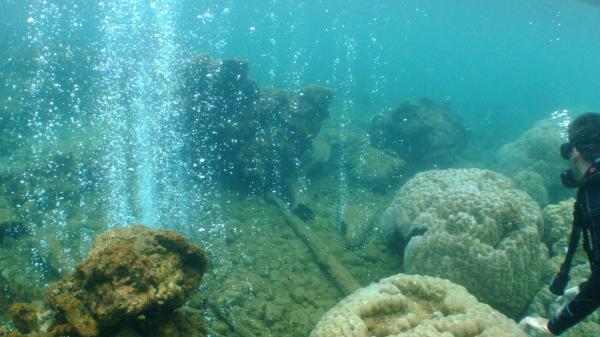
Researchers are looking to harness the Great Barrier Reef’s massive size, to help it resist and recover from the impacts of climate change.

A new report, the Northern Territory Marine Science End User Needs Analysis, has put the marine science needs of the Territory’s stakeholders under scrutiny to produce a clearer understanding of...

Toward a marine science plan for the Northern Territory

Experts from the Australian Institute of Marine Science and the Australian Department of Defence Science and Technology division are working together to find answers to a problem affecting all...

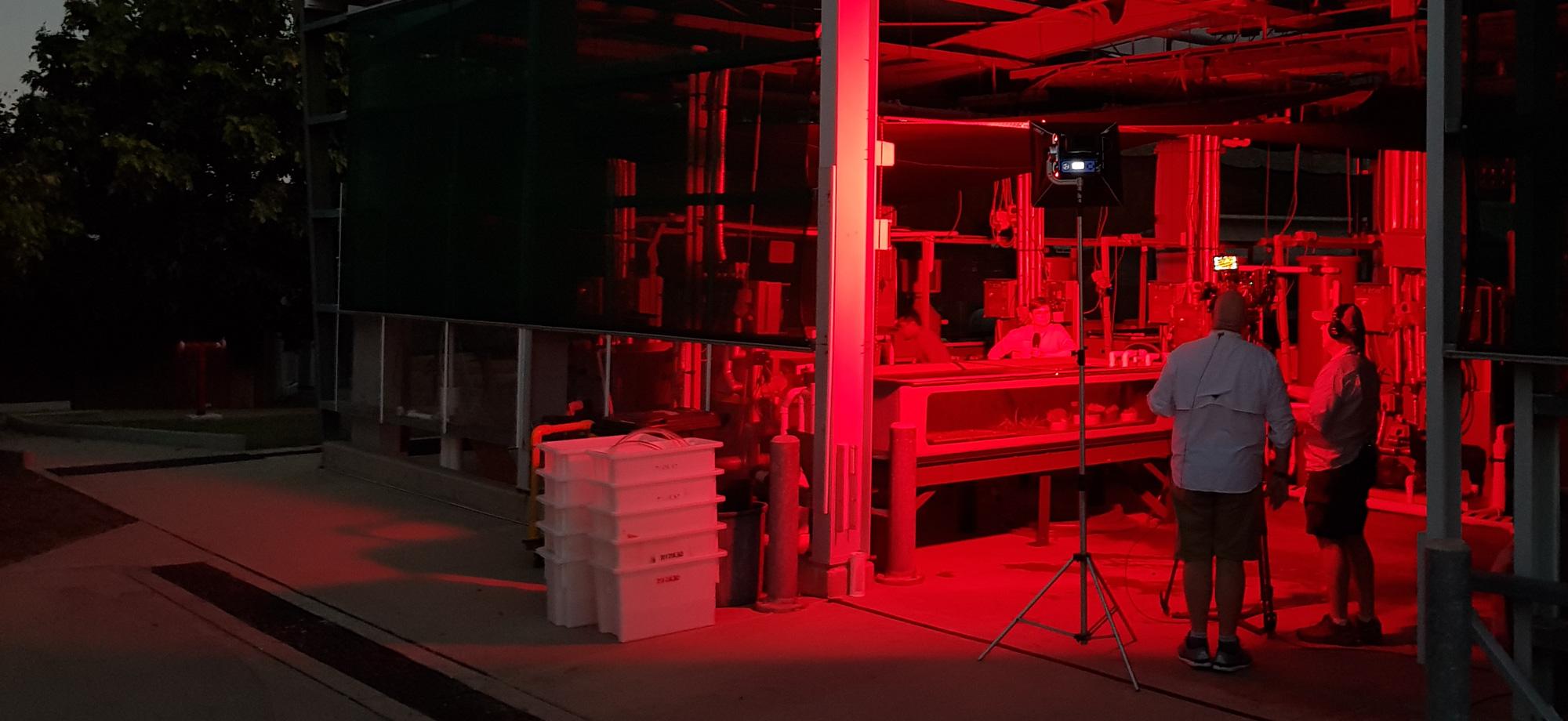
Members of the AIMS technology development team preparing to deploy trial technology involving ultra-violet (UV) light at the AIMS facility at Cape Ferguson.

Degraded coral reefs are far quieter than five years ago, and no longer sound like suitable habitat to young fish searching for a place to live and breed, according to the latest research.

Reef fish lose sound hook

Researchers are a step closer to understanding how coral reefs re-seed themselves and adapt to growing environmental threats.

Scientists from James Cook University and the Australian Institute of Marine Science have developed a new method to study microplastics swallowed by sea turtles.

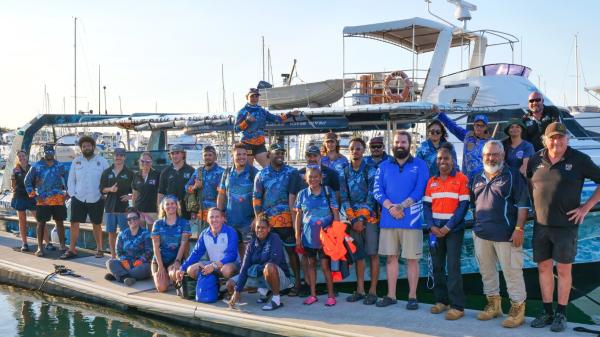
Indigenous elders of the Bindal community held a smoking ceremony and traditional welcome to country, and the Aboriginal and Torres Strait Islander flags were raised at AIMS headquarters at Cape...

Flags raise new chapter of commitment to traditional owners

While shark populations around the world are in decline, ground-breaking research has revealed why reef shark numbers are returning to a coral reef off Australia.