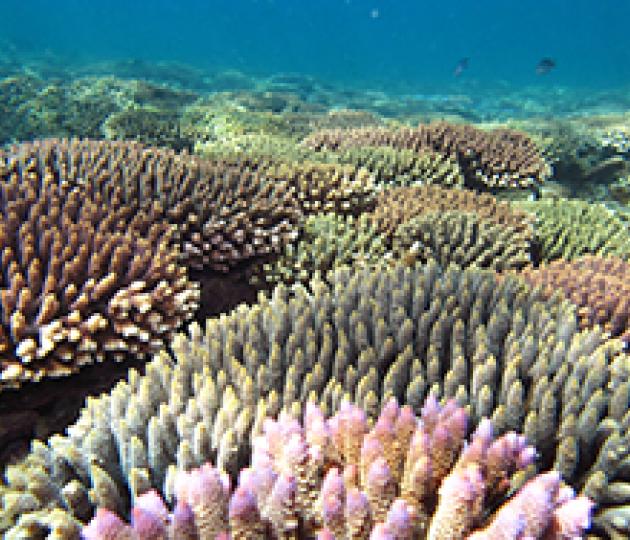
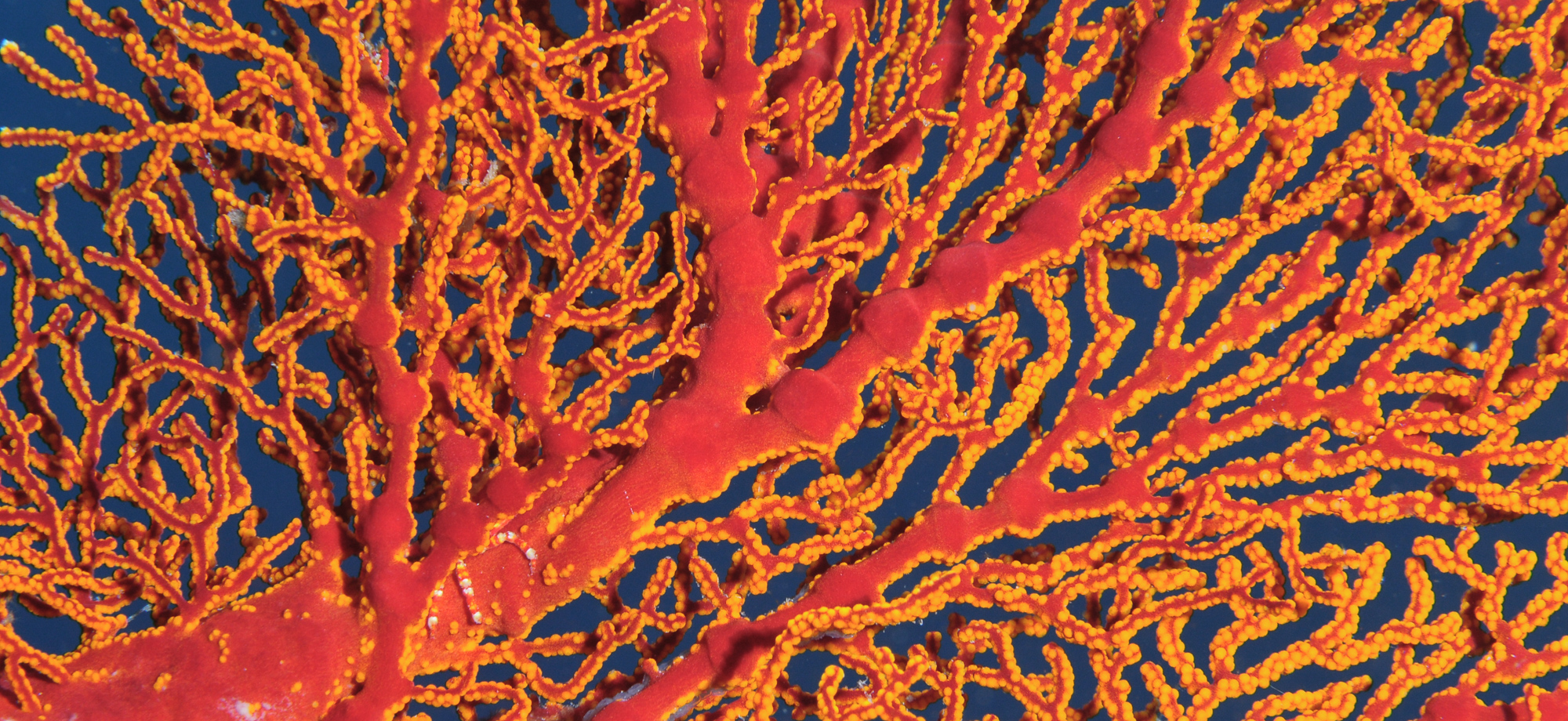
The Capricorn-Bunker region in the south of the Great Barrier Reef (GBR) is showing excellent signs of coral recovery, according to the latest results of the AIMS Long Term Monitoring Program....
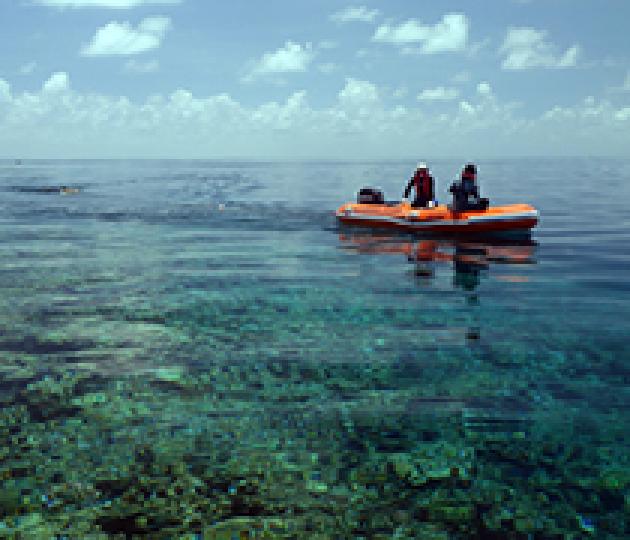
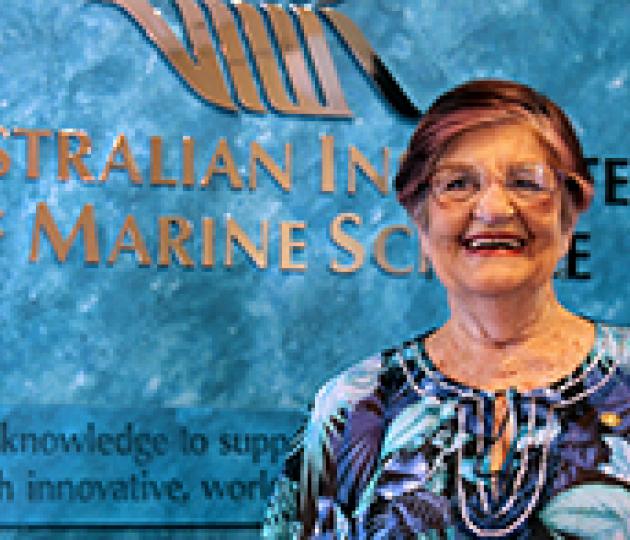
In 1995, after responding to a call for “AIMS Tour Volunteers”, Helen Brayne embarked on a personal journey to discover the beauty and complexity of the Great Barrier Reef which she’d heard so much...
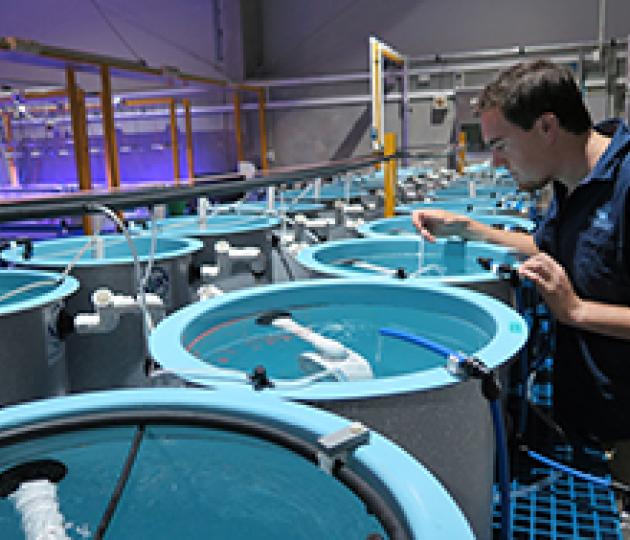
The National Sea Simulator (SeaSim) team at the Australian Institute of Marine Science (AIMS) has been working hard over the past couple of months painstakingly preparing for the annual coral...
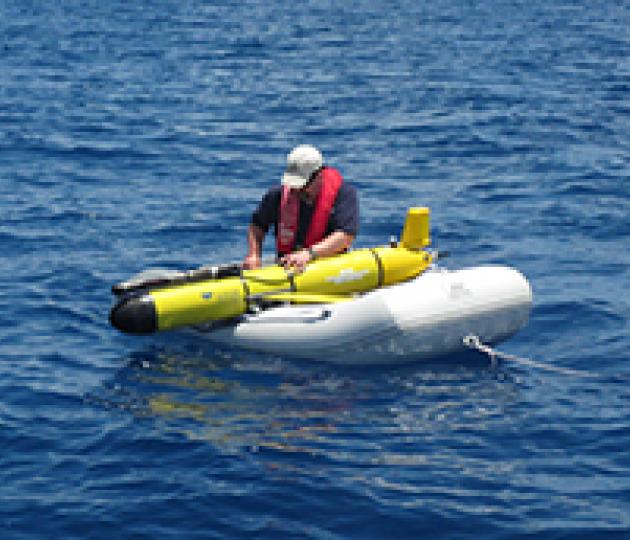
The Australian Institute of Marine Science announces the deployment of the Slocum glider “Amy” off Townsville, in collaboration with CSIRO and the IMOS glider facility. She was released today at...
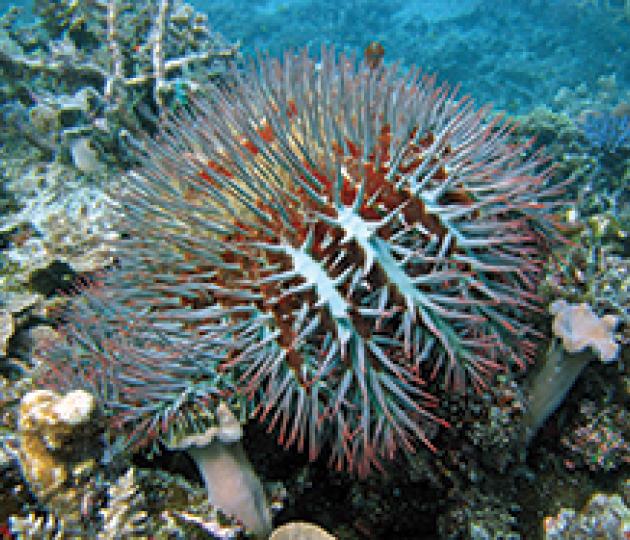
Scientists have taken a major step towards understanding how and why deadly plagues of coral-eating crown-of-thorns seastar (COTS) break out across the Great Barrier Reef, thanks to novel research...
The Great Barrier Reef Foundation (GBRF) has announced that AIMS@JCU PhD candidate Patrick Buerger is the newest ambassador to the Great Barrier Reef. His innovative three minute video on coral...
Scientists have uncovered crucial historical evidence to better understand how marine heat waves unfold among the unique coral reef ecosystems of Western Australia, information that is necessary...
Record breaking summer ocean temperatures have led to widespread coral bleaching in the northern hemisphere. These hot conditions are predicted to extend into the southern hemisphere in the...
How do corals recover after a major loss? There are several possibilities. Surviving coral colonies can reproduce and repopulate the local area with their own coral recruits. Alternatively,...