A strategic road map for future research in movement ecology has been outlined by a team of national and international ecologists. In a forward-thinking exercise co-led by scientists at the...
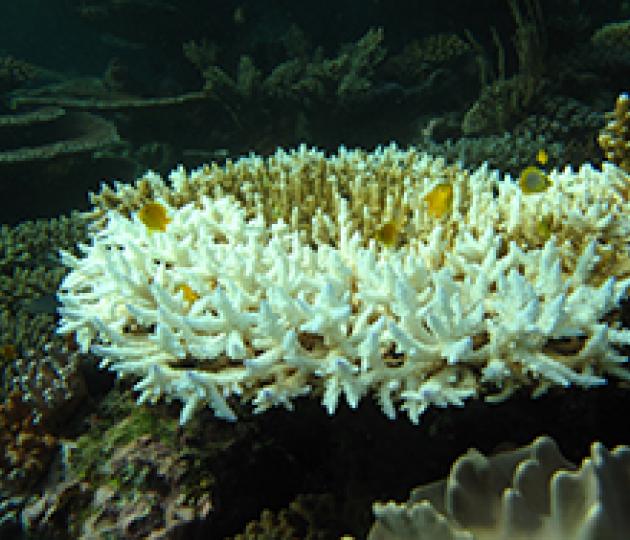
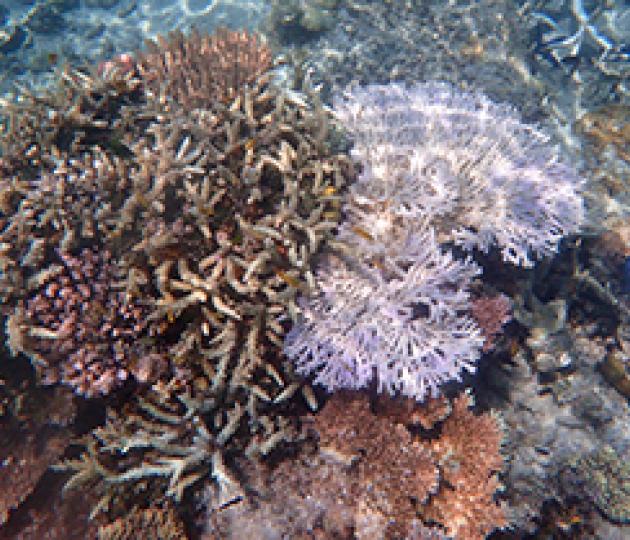
Coral bleaching due to global warming has continued to worsen in the northern Great Barrier Reef (GBR) over the past two weeks, even as cooler weather has brought significant reprieve to central...
Minor, but widespread, reports of coral bleaching on the Great Barrier Reef are being closely watched by the National Coral Bleaching Taskforce, which is concerned about current trends and remains...
19 February: Improving water security for Great Palm Island Background The water storage dam supplying Great Palm...
The Australian Institute of Marine Science (AIMS), in partnership with the University of Hawai’i and the Paul Allen Family Foundation, will host a ground-breaking workshop this month. The event,...
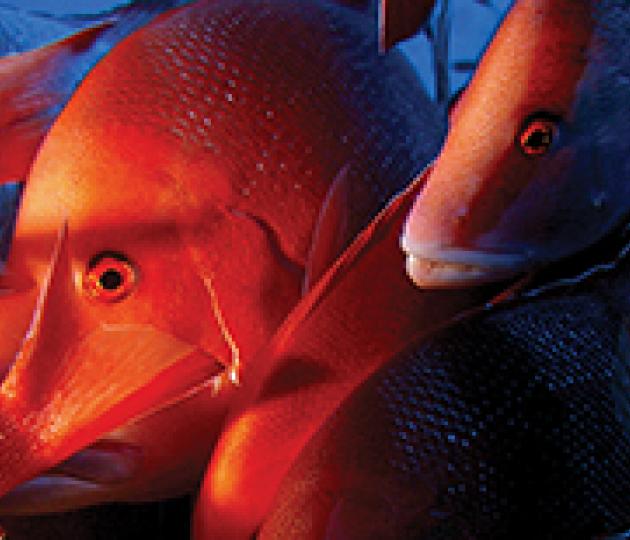
The rate that fish are captured by predators can double when boats are motoring nearby, according to pioneering work led by a University of Exeter marine biologist.
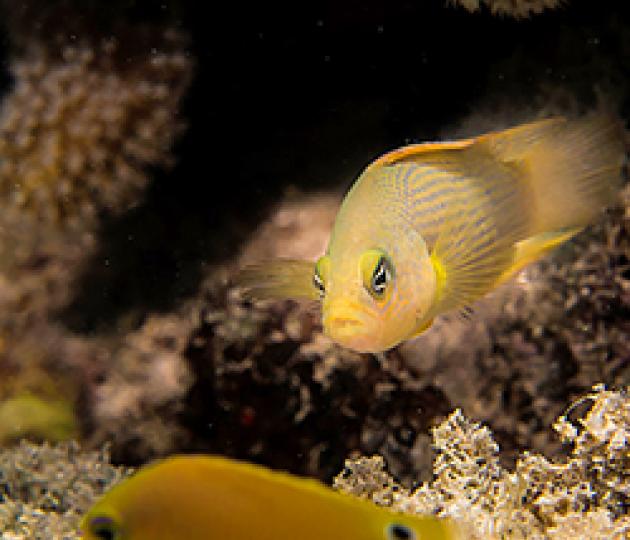
In a world where fish biodiversity is on the decline, highly vulnerable species are given a major boost today after scientists identified why some species are absent from reefs in the Indian and...
The legendary naturalist, Sir David Attenborough and the award-winning talents of Atlantic Productions have teamed up with world-renowned scientists from the Australian Institute of Marine Science...
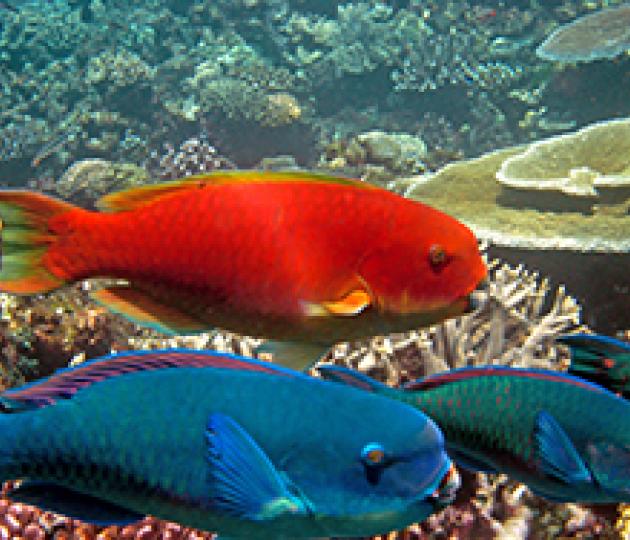
For marine scientists, knowing where different species of fishes are found on a reef provides invaluable information about the health of the reef system, which is also important for management and...
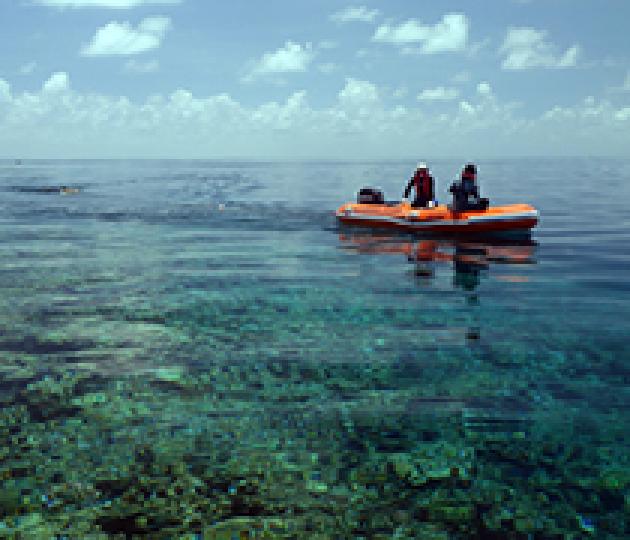
The Capricorn-Bunker region in the south of the Great Barrier Reef (GBR) is showing excellent signs of coral recovery, according to the latest results of the AIMS Long Term Monitoring Program....