15 April: AIMS and Chinese counterpart to establish Sino-Australian Centre for Healthy Coasts AIMS CEO Mr John Gunn addresses the IOCAS board ...
In 2012, the Australian Institute of Marine Science reported that average coral cover on the GBR had fallen by half over the preceding 27 years.
After months of careful planning, 300 Australian coral reef researchers have launched a small flotilla of research vessels, each one filled to the gills with highly trained experts. Their tightly...
Scientists have published research this week in the international journal, Marine Pollution Bulletin that reinforces the need for improved land management practices in order to prevent unnecessary sediment runoff that is affecting the health of the Great Barrier Reef (GBR).
The world’s largest coral reef ecosystem – The Great Barrier Reef – is facing multiple, growing threats from man-made and natural disturbances, but for the first time, researchers at the Australian...
Government plans for improving water quality on the Great Barrier Reef will not meet their intended targets, according to a paper published today in Global Change Biology. New agricultural products...
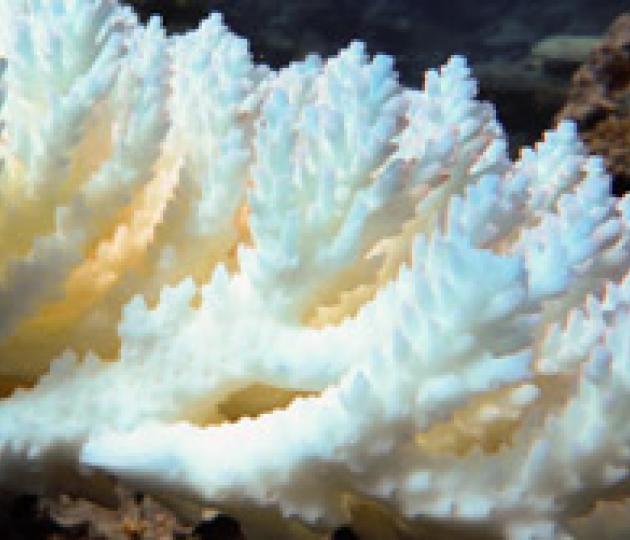
This past week, as field observations and aerial surveys of severe bleaching poured in from Cairns north to Torres Strait, the Great Barrier Reef Marine Park Authority (GBRMPA) lifted its response...
Light pollution is a reality of urbanised living with potentially lethal consequences for some of its smallest (albeit, temporary) inhabitants, sea turtle hatchlings. Previous research indicates...
MEDIA RELEASE
24 March 2016 | PDF (191kb)
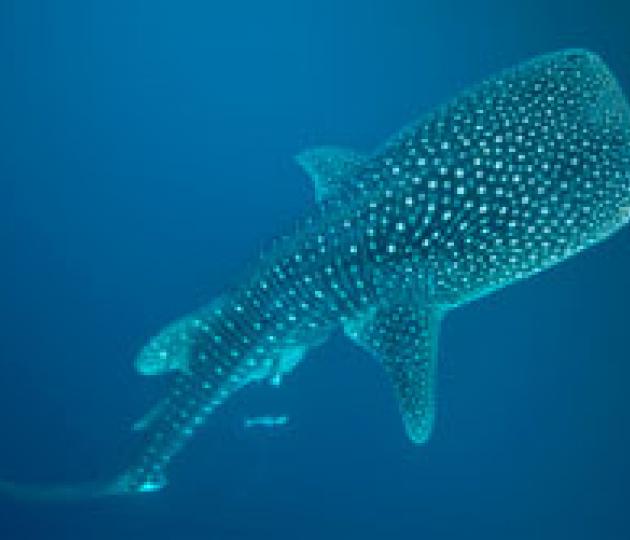
Researchers from The University of Western Australia (UWA) and the Australian Institute of Marine Science (AIMS) have raised concerns about the whereabouts of the world’s biggest whale sharks after...