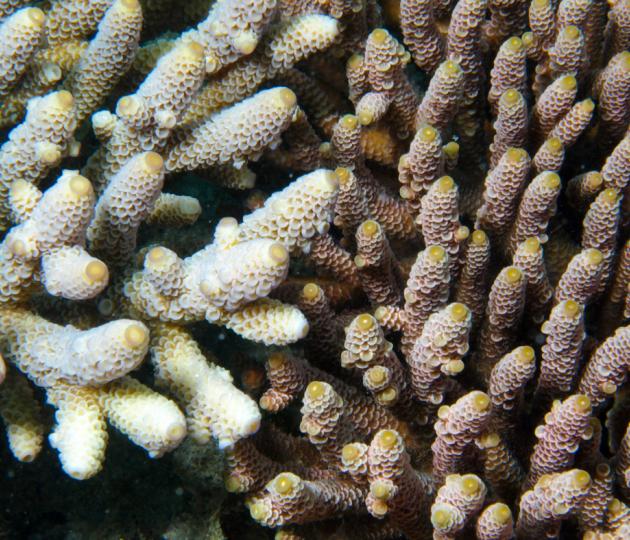
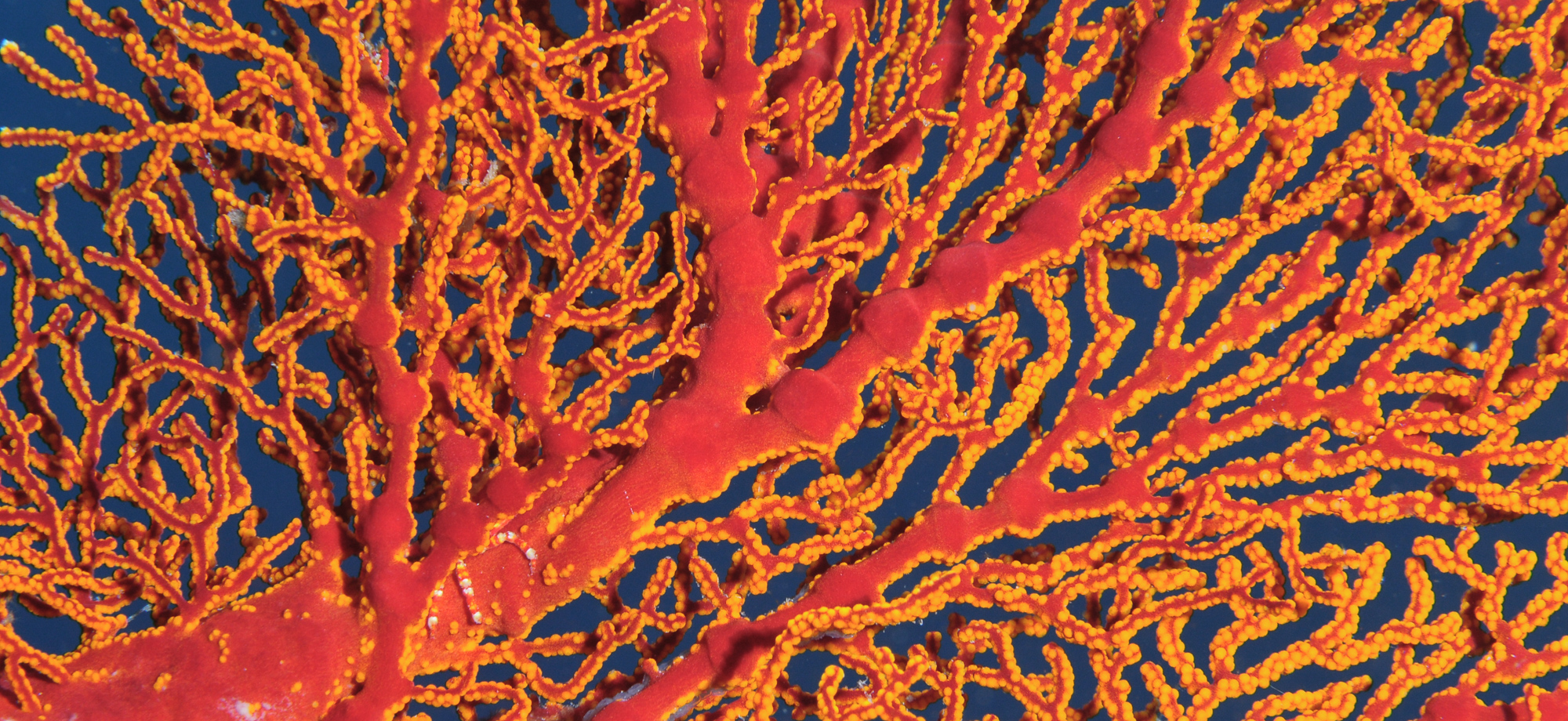
Recent advances in coral population genetics are set to provide resource managers with crucial information to aid in more robust and refined delineation of marine protected area networks and reef...
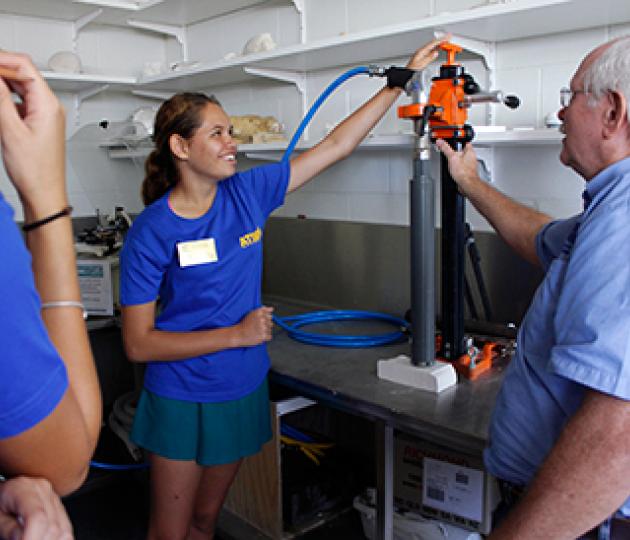
The Australian Institute of Marine Science (AIMS) opens its doors on Thursday 19th May to more than 40 year 8 – 10 Indigenous secondary students as part of the Aboriginal and Torres Strait Islander...
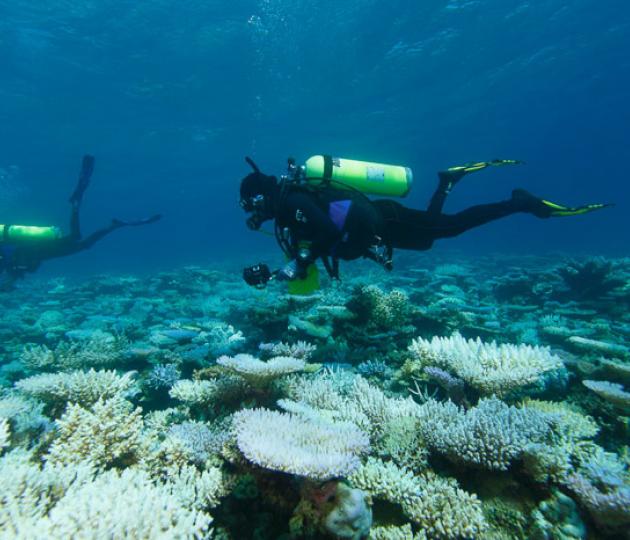
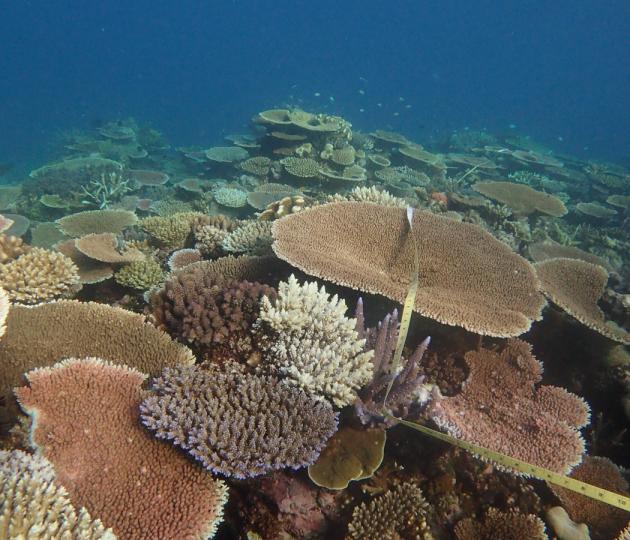
AIMS researchers are collating their data after a two week coral bleaching monitoring voyage to several oceanic coral reefs on the northwest Australian continental shelf.
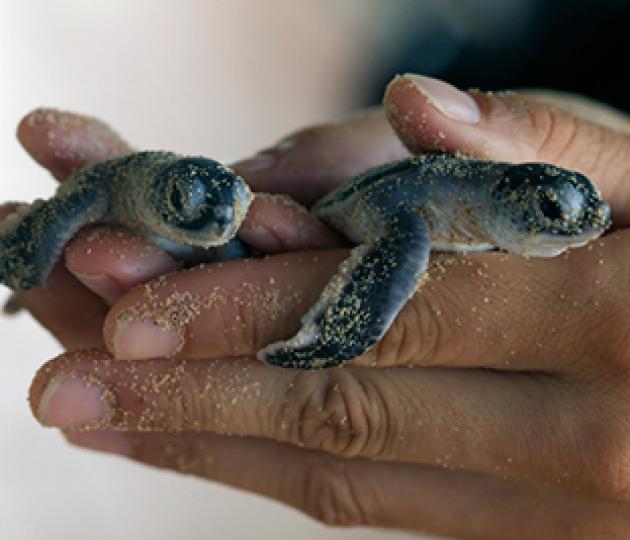
Pioneering field research provides new evidence of the dangers of light pollution on water to the survival of wild sea turtle hatchlings during their dispersal from their hatching beaches.
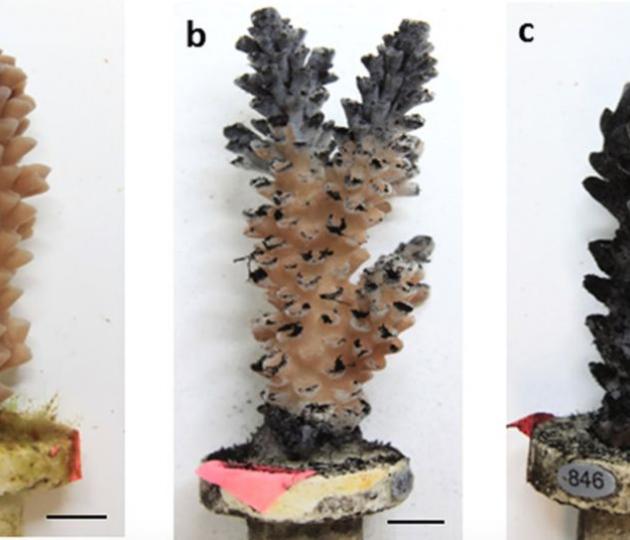
Australian researchers have raised fresh concerns that a major shipping disaster could harm the Great Barrier Reef, with new research revealing coal dust in seawater can kill corals and slow down...
Unique sections of coral DNA can indicate a higher tolerance to environmental stress, researchers have revealed for the first time.
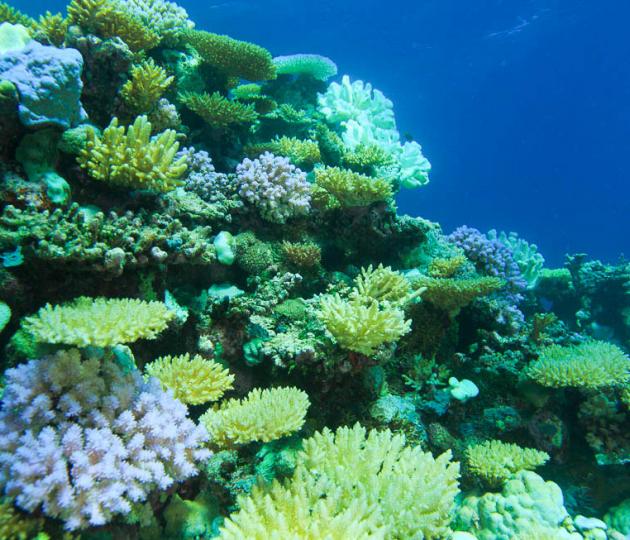
AIMS scientists returned to Townsville this week after more than 3 weeks assessing bleaching on the GBR between Townsville and Port Douglas as part of the National Coral Bleaching Taskforce....
The Great Barrier Reef (GBR) is a sensitive ecosystem, and it’s facing a number of environmental challenges. One of those issues is water clarity: murky waters are bad news for both coral reefs and...
Researchers have shown for the first time that some corals surviving bleaching events can acquire and host new types of algae from their environment, which may make the coral more heat-tolerant and...
Western Australian reefs feel the heat from global bleaching