The Australian Institute of Marine Science (AIMS) has signed a three-year, renewable Master Services Agreement with Woodside to provide expertise and high-quality marine research services.

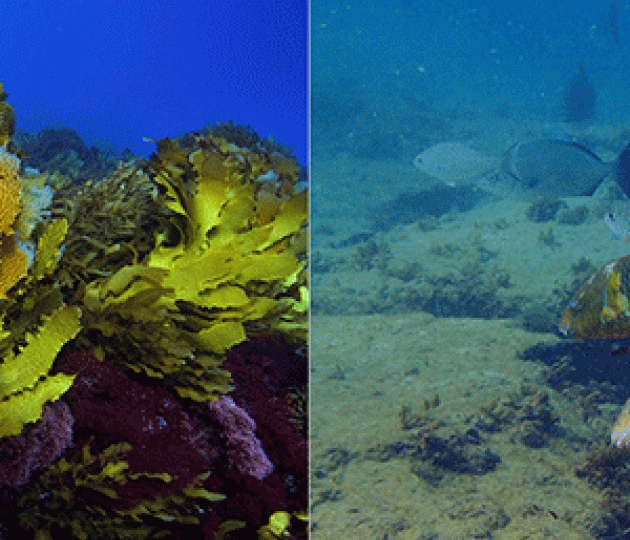
New research has emerged suggesting a complex interplay between increasing sea surface temperatures, extreme marine heatwaves and the collapse of kelp forest communities located along Australia’s...
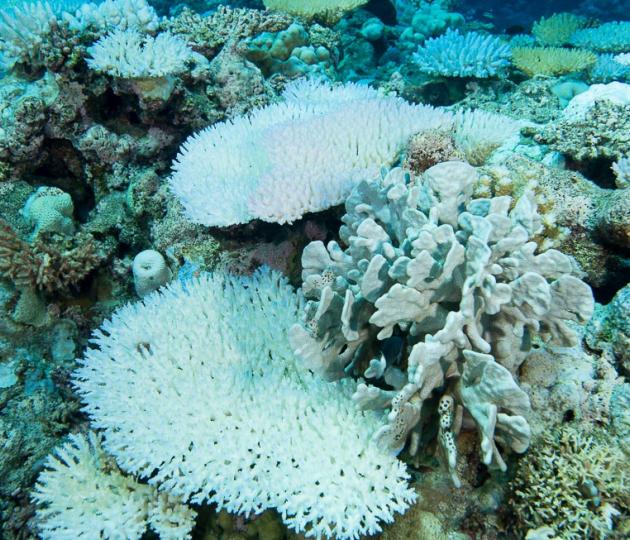
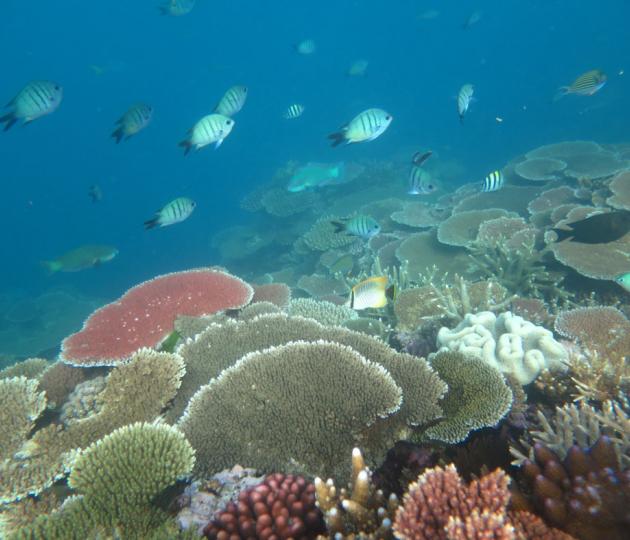
Extensive coral bleaching on many of the world’s reefs over the past two years has highlighted their susceptibility to thermal stress with global warming already at 0.9°C to date.
A 25-strong delegation of AIMS researchers and students will travel to Hawaii in June 2016 to present their latest research at the 13th International Coral Reef Symposium, known as ICRS.
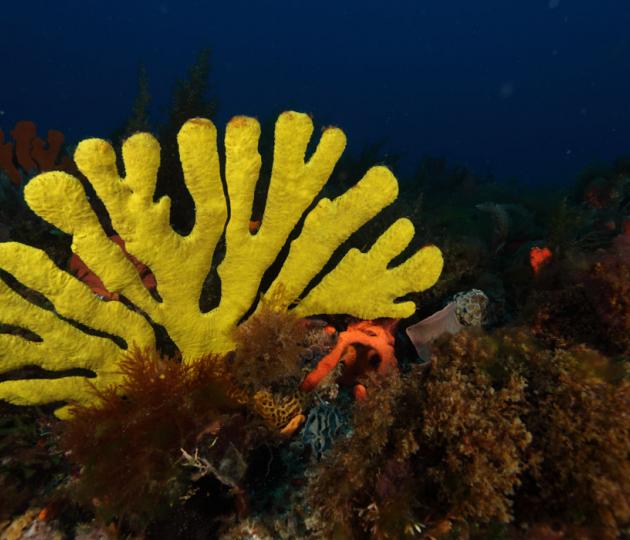
Thanks to an impressive collaborative effort, scientists have revealed that a tiny fraction of marine sponges are host to almost 40,000 different microbes – a finding that highlights the massive...
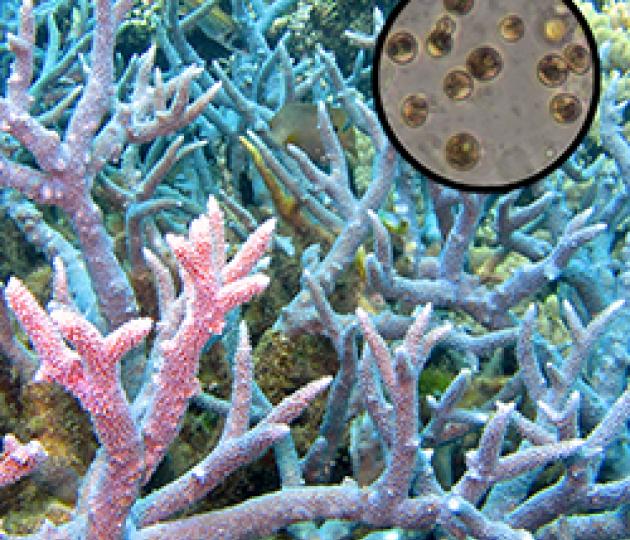
Australian researchers have identified genes that allow some algae living in corals to tolerate higher ocean temperatures than others. The genes could act as markers to understand the risk of coral...
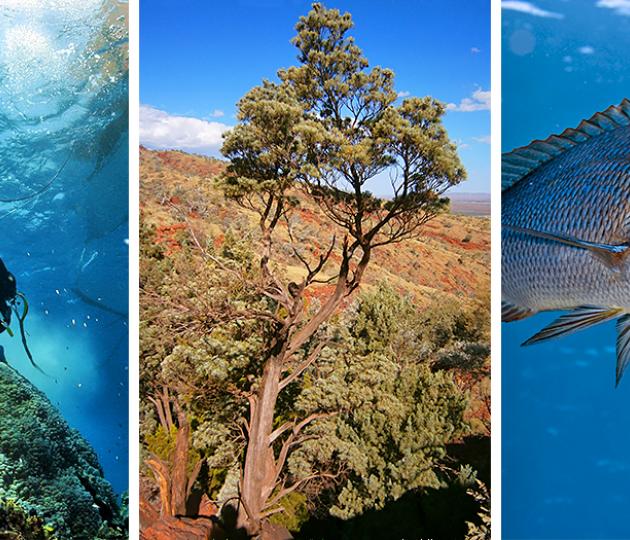
Annual growth rings found in trees, corals and even fish ear-stones have shown that climate change has the same, wide-ranging impact on life, whether at sea or on land. This is according to an...
Mid and outer-shelf reefs within the Townsville Sector of the Great Barrier Reef (GBR) continue to show signs of recovery, 5 years after suffering significant damage during Cyclone Yasi in 2011.
Preliminary findings from field surveys show that major impacts of coral bleaching are limited to areas north of Port Douglas and that the central and southern regions of the Reef have escaped...
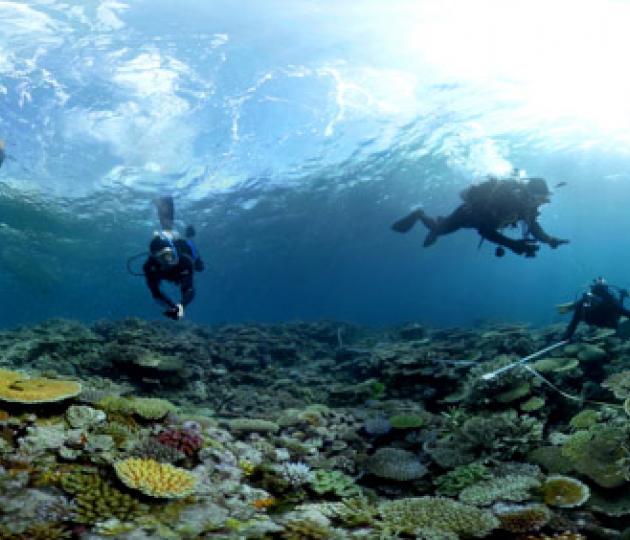
Harnessing technology popularised by the computer gaming industry, AIMS scientists are jumping in to explore the immersive technology of 360⁰ video as a supplementary tool for underwater video...