Wing Chan, PhD student with University of Melbourne and AIMS describes her life-changing experience to Antarctica with Homeward Bound in early 2018.
Experts from the Australian Institute of Marine Science and the Australian Department of Defence Science and Technology division are working together to find answers to a problem affecting all...
AIMS’ reef monitoring team is now using face-recognition technology in its annual surveys of the Great Barrier Reef.
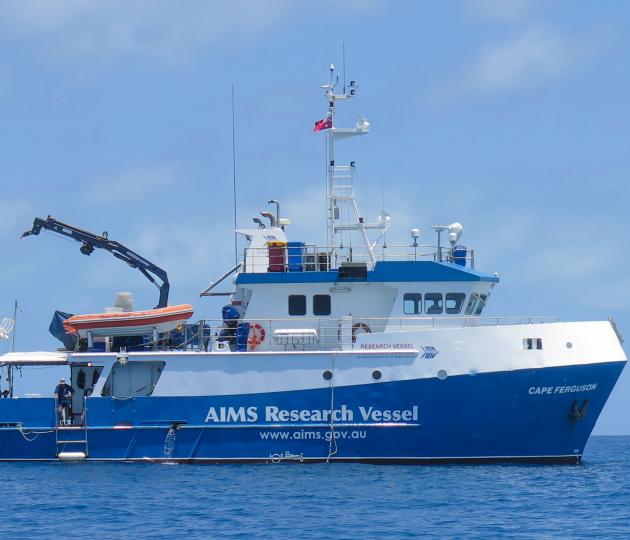
Australian and New Zealand scientific research organisations establish the first formal collaboration for their research ships.
Degraded coral reefs are far quieter than five years ago, and no longer sound like suitable habitat to young fish searching for a place to live and breed, according to the latest research.
AIMS scientists across Australia have found at least two coral species have the genetic diversity to help them adapt to changing environmental conditions.
Researchers are a step closer to understanding how coral reefs re-seed themselves and adapt to growing environmental threats.
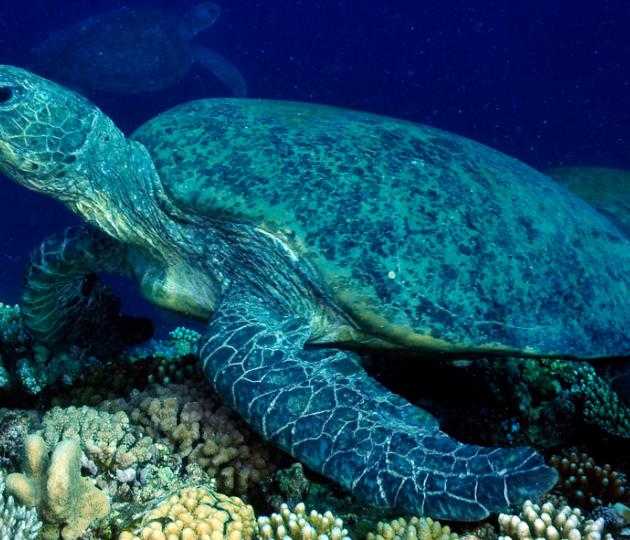
Scientists from James Cook University and the Australian Institute of Marine Science have developed a new method to study microplastics swallowed by sea turtles.
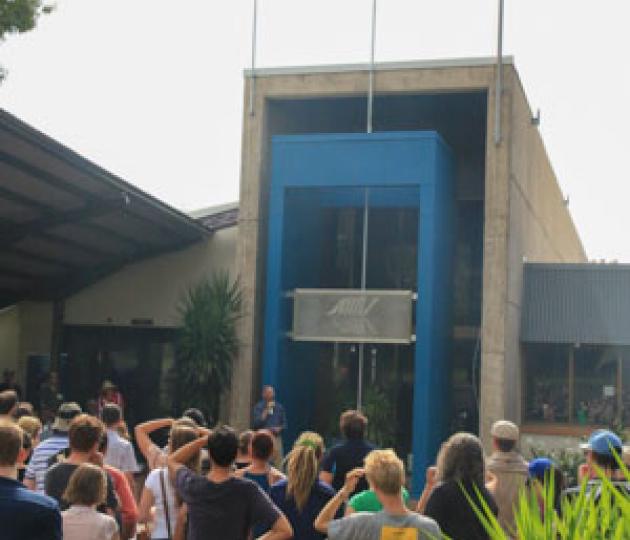
Indigenous elders of the Bindal community held a smoking ceremony and traditional welcome to country, and the Aboriginal and Torres Strait Islander flags were raised at AIMS headquarters at Cape...
Fish poo could hold the answer to tackling large numbers of crown-of-thorns starfish which are eating the Great Barrier Reef.