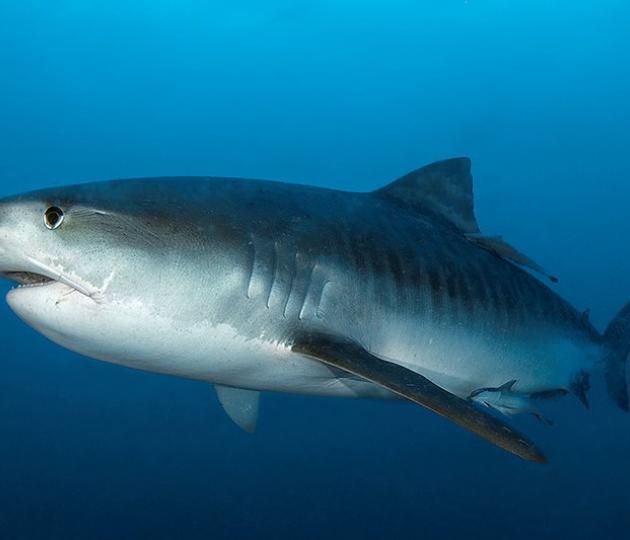
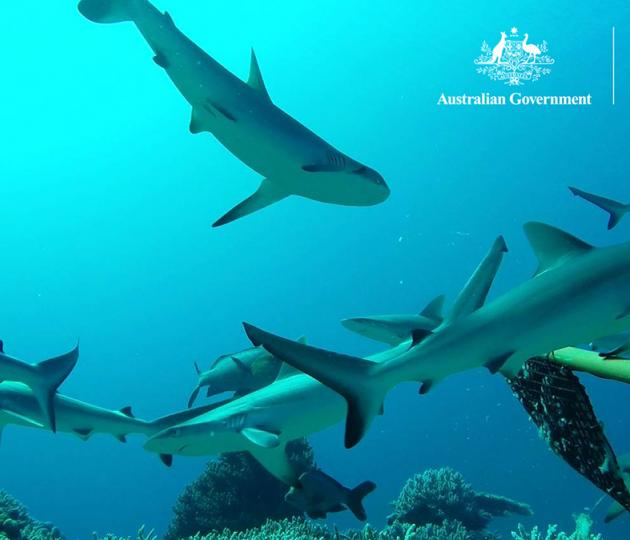
While shark populations around the world are in decline, ground-breaking research has revealed why reef shark numbers are returning to a coral reef off Australia.
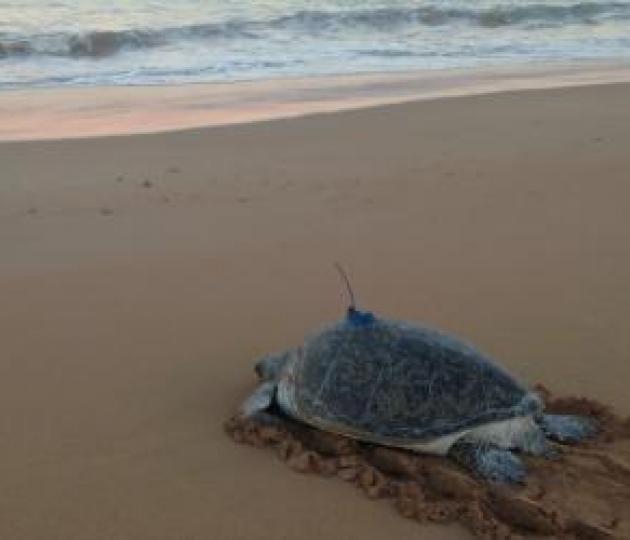
A first-of-its-kind study has mapped the global movements of a range of marine animals around the world to understand how they travel the ocean.
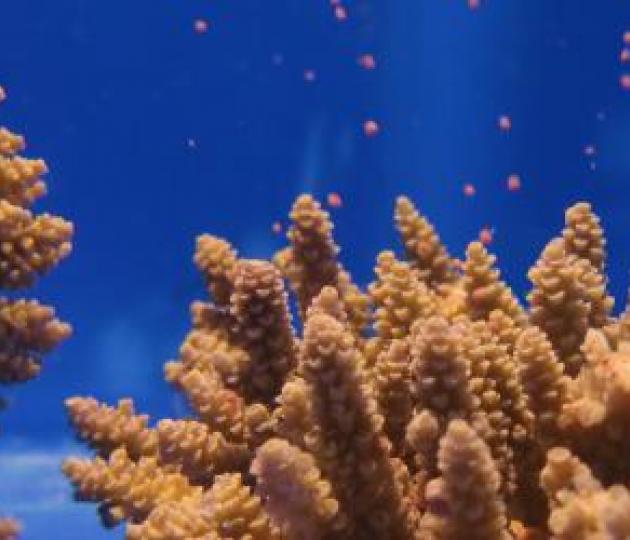
Overlooking split spawning may have biased our knowledge of coral reproduction at some reefs and could also be hampering management efforts to protect the most vulnerable coral life history stages.
Australia’s leading research organisations will unite to design ways to build resilience and repair the global icon, the Great Barrier Reef
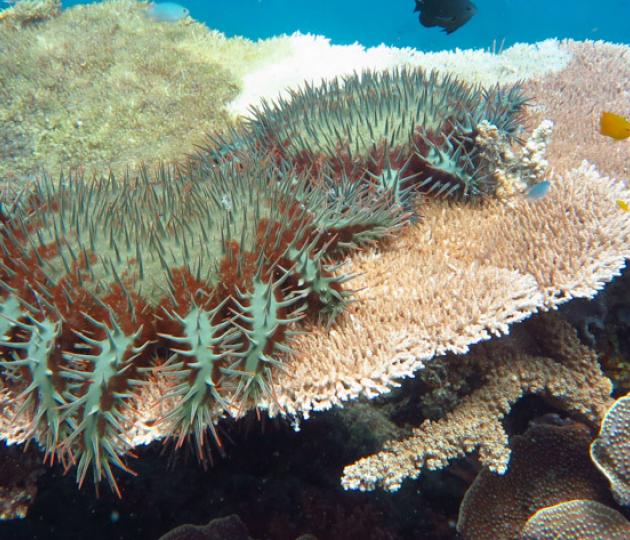
A new book exploring the best scientific research on preventing coral-eating Crown-Of-Thorns Starfish (COTS) outbreaks, is expected to become a critical resource for informing management of these...
While it is too early to tell whether mass coral bleaching will occur on the Great Barrier Reef this summer coral-eating crown-of-thorns starfish continue to pose a high risk, according to...
Coral bleaching survivors, which may hold the answers to restoring reefs, will make a rare flight from Queensland’s far northern Great Barrier Reef to Townsville.
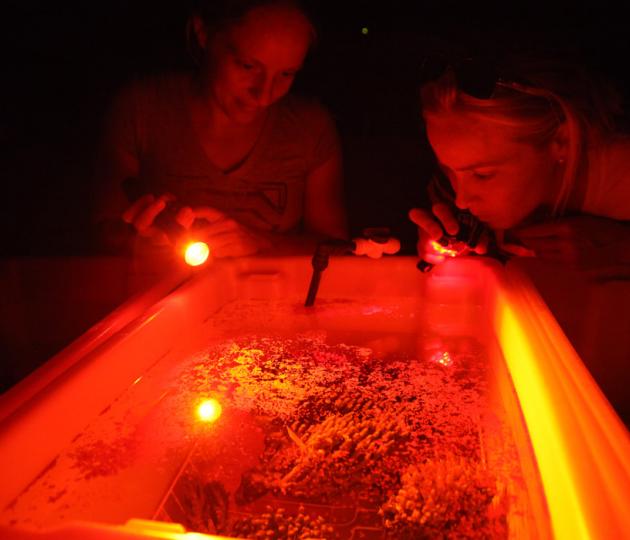
A spectacular display of nature is expected to unfold over the next week when the corals of the Great Barrier Reef begin the first annual spawning.
AIMS and our collaborators are leading the way in understanding more about the feeding habits of sharks from their skin tissue.
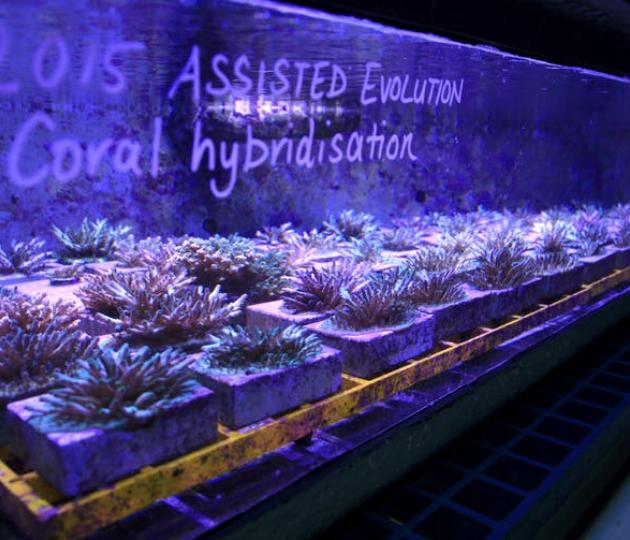
The Great Barrier Reef is suffering from recent unprecedented coral bleaching events. But the answer to part of its recovery could lie in the reef itself, with a little help.