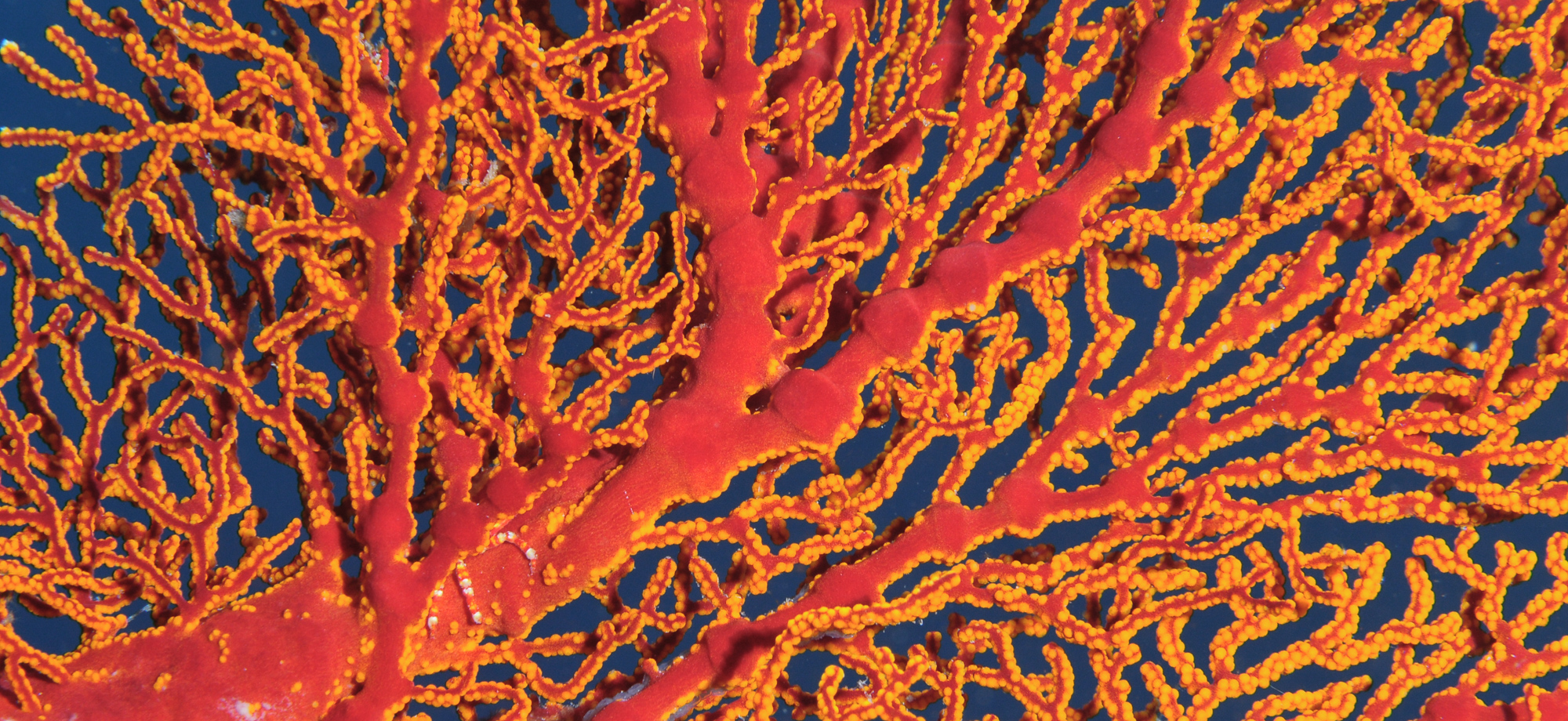
Research being undertaken at AIMS during GBR spawning was part of a Reef Recovery program which involves freezing and banking coral sperm, in a bid to safeguard at-risk species and their genetic...
The Australian Institute of Marine Science (AIMS) has conducted the first real-world seismic experiment to determine the effects of marine noise on fish and pearl oysters.
Microplastics and other man-made fibres have been found in a popular fish species on the Great Barrier Reef.
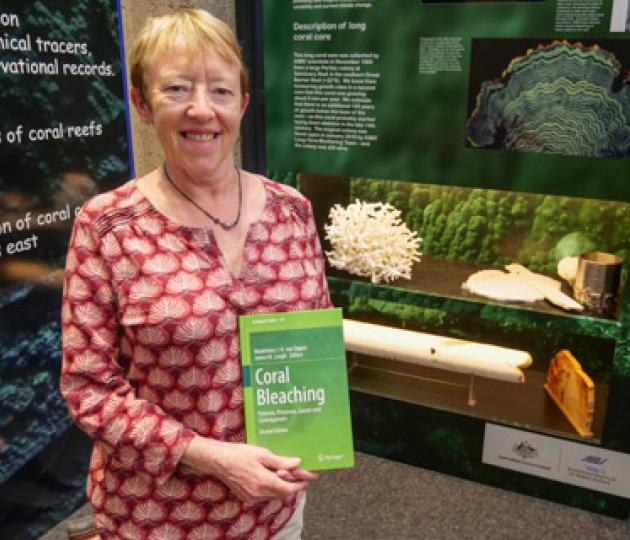
The latest scientific research into coral bleaching has been bound in a second edition of the book Coral Bleaching; Patterns, Processes, Causes and Consequences.
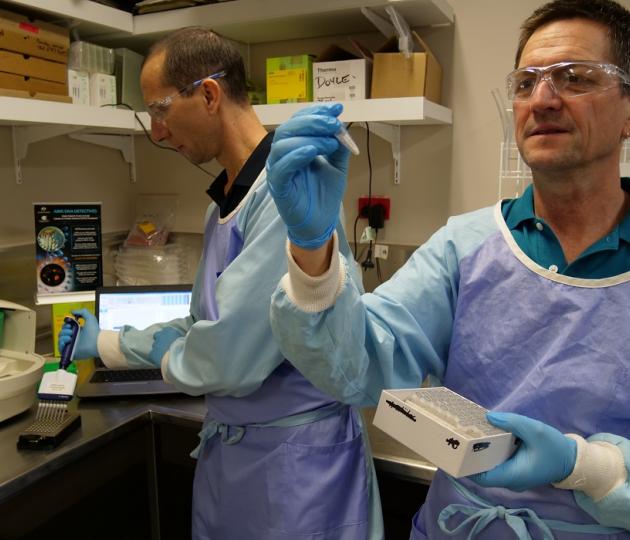
Researchers at the Australian Institute of Marine Science have developed a cost effective method for detecting DNA of the coral-eating crown-of-thorns starfish.
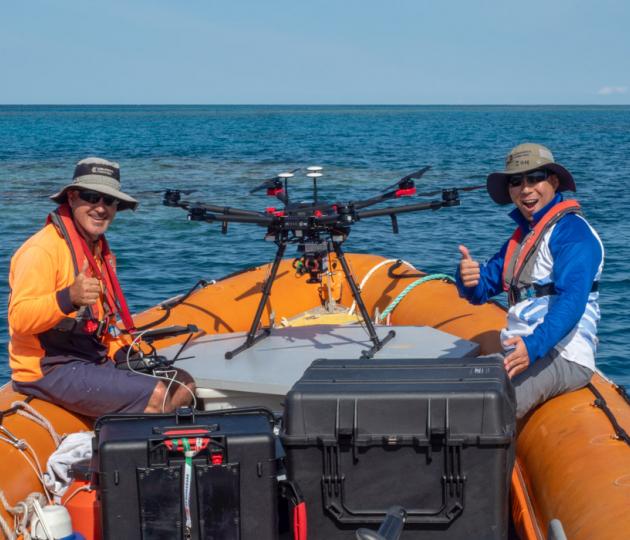
AIMS researchers have broken new ground while trialling aerial and underwater robots at sea, which would allow greater monitoring of the Great Barrier Reef.
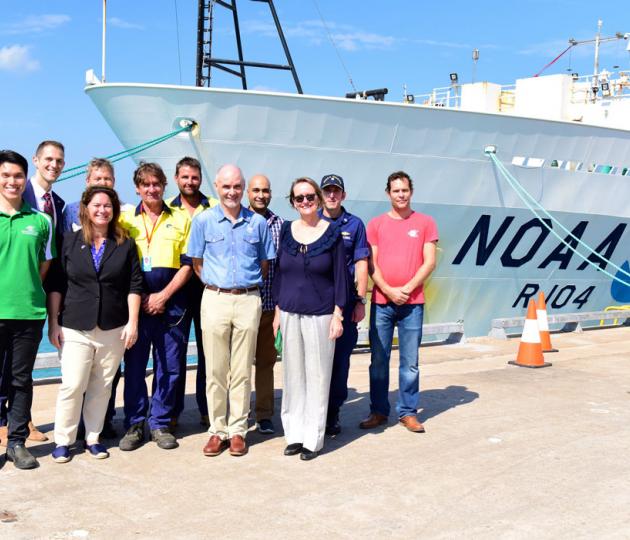
AIMS met with members of the United States’ National Oceanic and Atmospheric Administration (NOAA) when their ship docked in Darwin.
Researchers are looking to harness the Great Barrier Reef’s massive size, to help it resist and recover from the impacts of climate change.
The Australian Institute of Marine Science has welcomed its first Aboriginal and Torres Strait Islander engagement co-ordinator Traceylee Forester,
A new report, the Northern Territory Marine Science End User Needs Analysis, has put the marine science needs of the Territory’s stakeholders under scrutiny to produce a clearer understanding of...