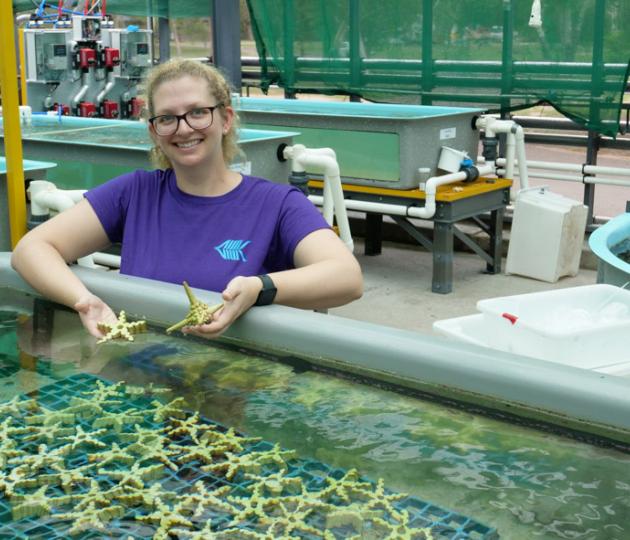
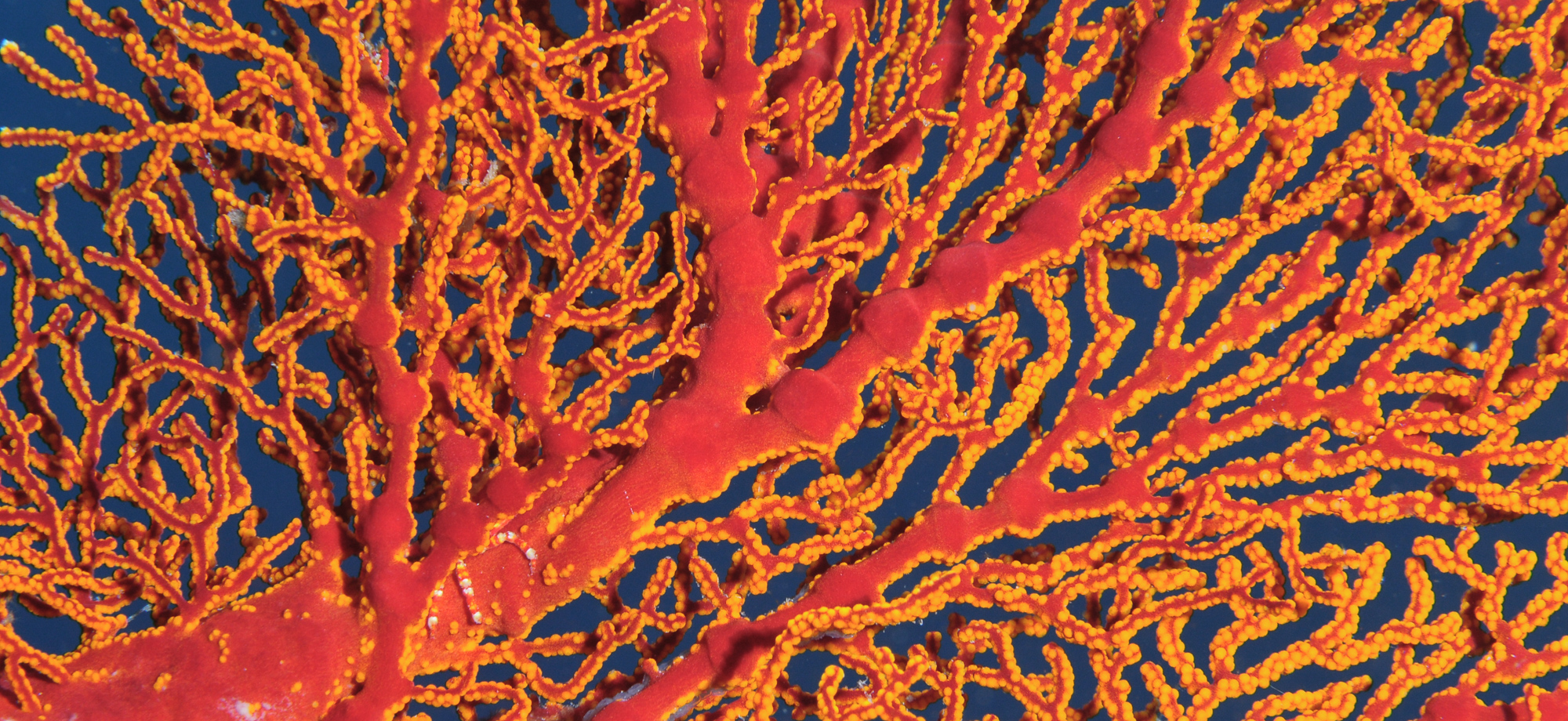
The answer to protecting coral reefs from bleaching, may be found in the genes of the first ever tiny hybrid coral babies to be rehomed on the Great Barrier Reef.
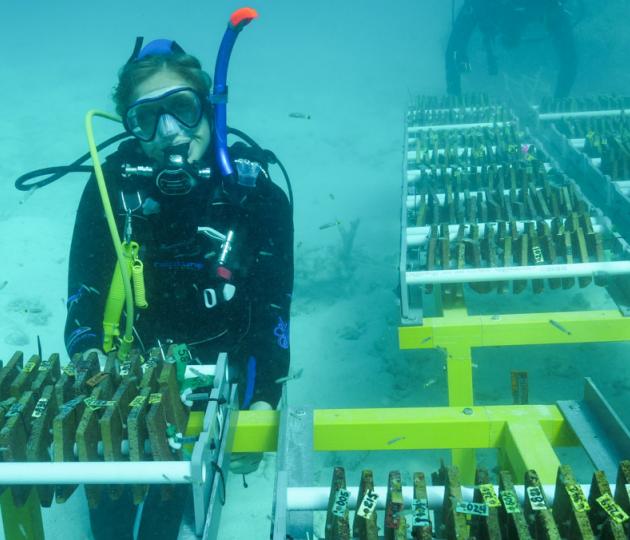
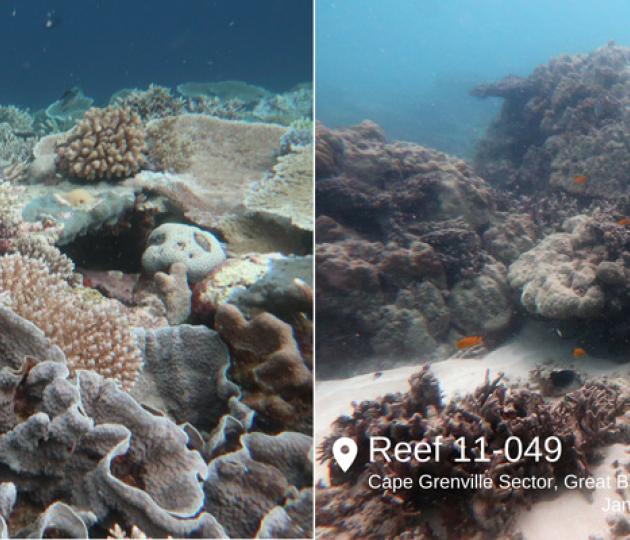
Reef condition for the far northern Great Barrier Reef is variable, according to early data released by the Australian Institute of Marine Science.
A $20 million research project putting a spotlight on marine life in the waters of Western Australia’s unique North West Shelf, was at the centre of a marine science symposium in Perth this month.
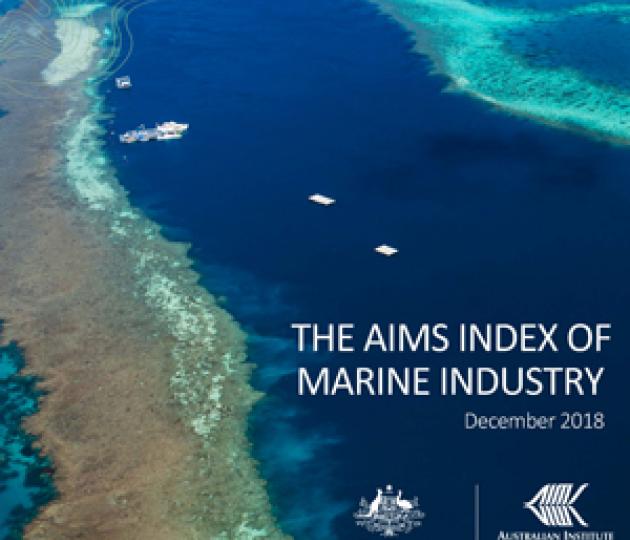
The latest AIMS Index of Marine Industry shows the marine industry is the country’s fastest growing, and is worth more than $68.1 billion.
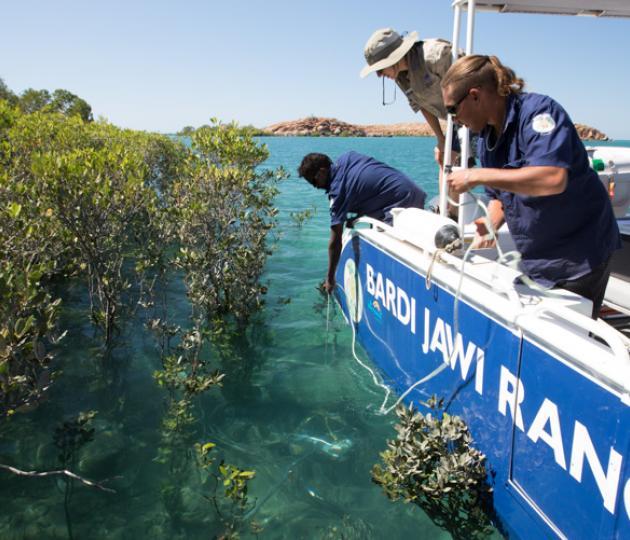
AIMS has begun a series of Indigenous ranger monitoring workshops across tropical Australia, the second of which was completed in Bardi-Jawi country late in 2018.
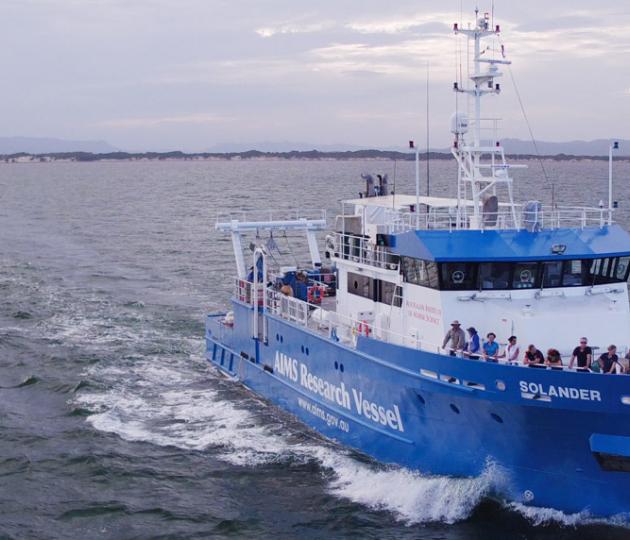
The vessel in our fleet is in Queensland waters for the first time, to help scientists conduct a 25-day health check of remote far northern reefs.
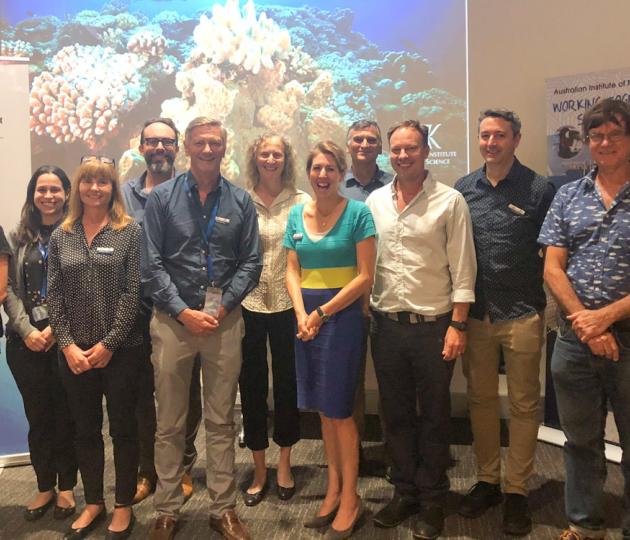
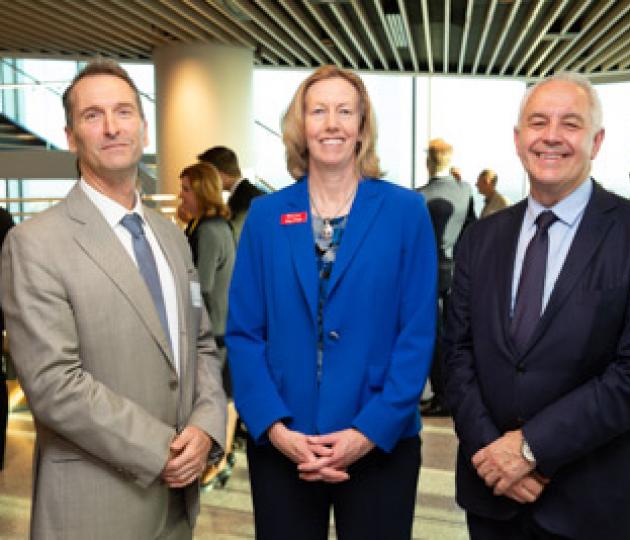
An enduring partnership which has contributed to the long-term sustainable use of Western Australia’s North West Shelf was marked with an event at Woodside Energy’s new building in Perth.
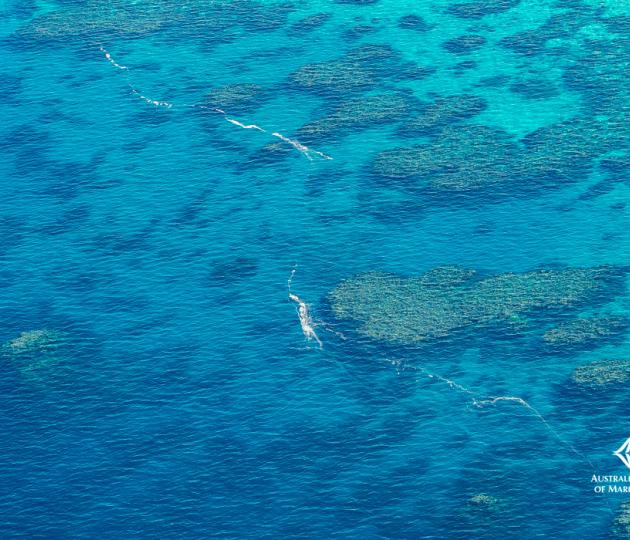
Marine science and safety shared a birds-eye view of a natural phenomenon on the Great Barrier Reef when AIMS and AMSA joined forces to track ocean currents.
Scientists from AIMS and US-based SECORE International are working together to help the Great Barrier Reef recover and become more resistant to future bleaching
AIMS has welcomed 60 international scientists and data analysts to the 76th Multibeam Sonar Training course at Townsville headquarters.