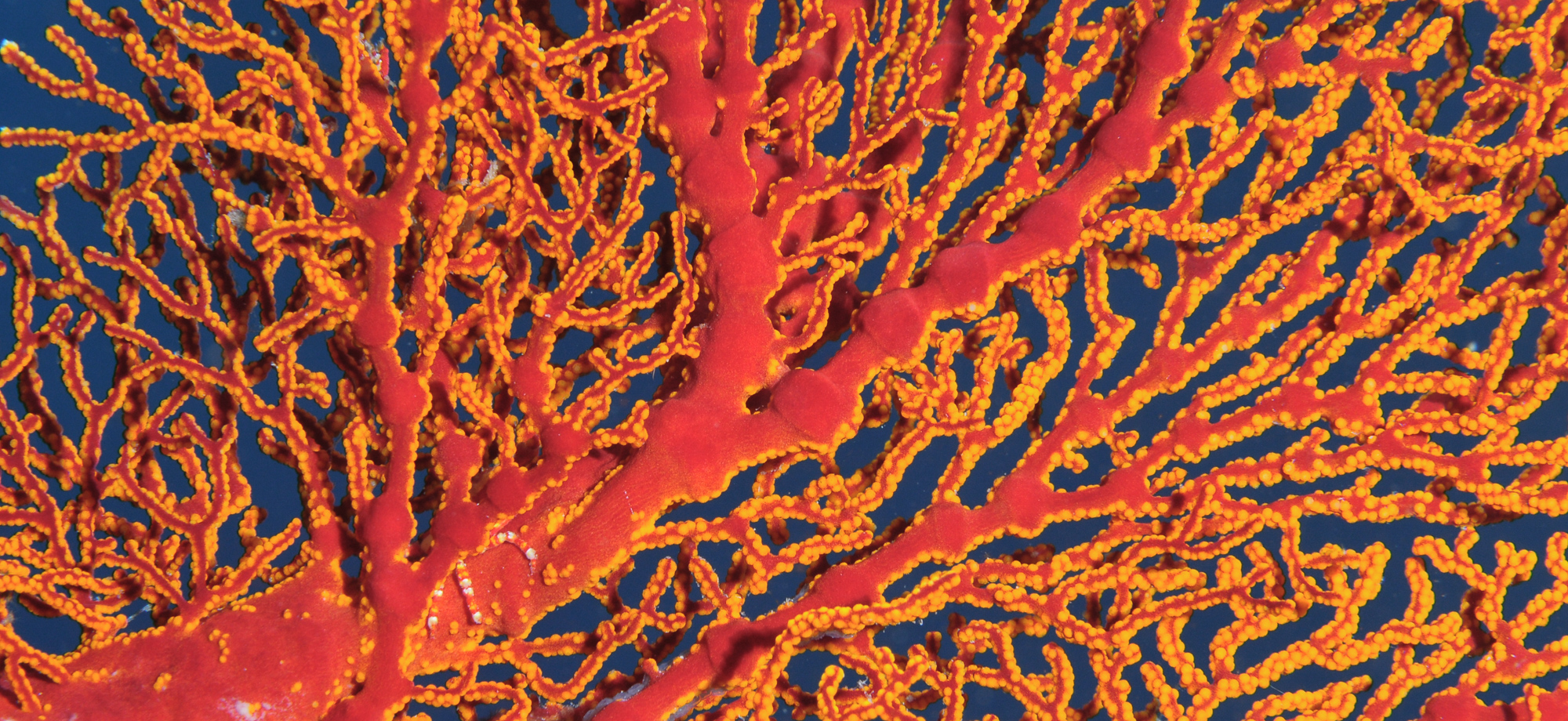
Corals have released their egg bundles in the first annual ‘mass’ spawning on the Great Barrier Reef
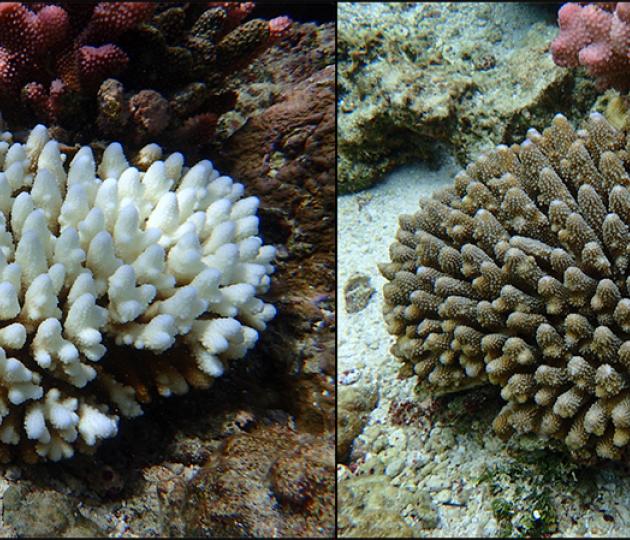
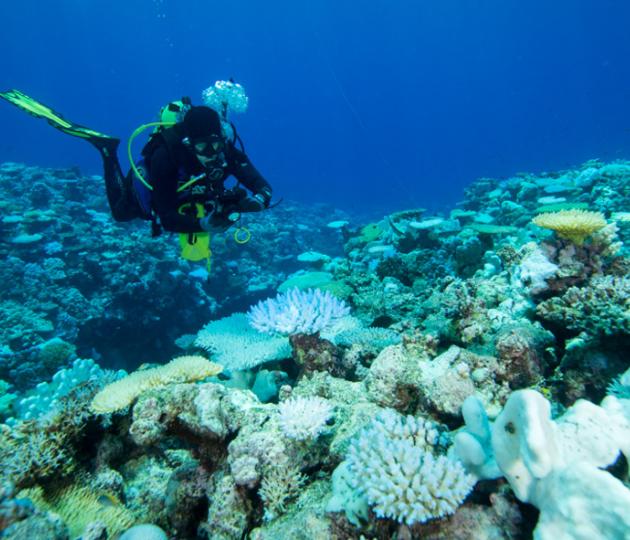
A key species of reef-building coral in American Samoa survived repeated bleaching events in the hot summers of 2015 and 2017 while others perished.
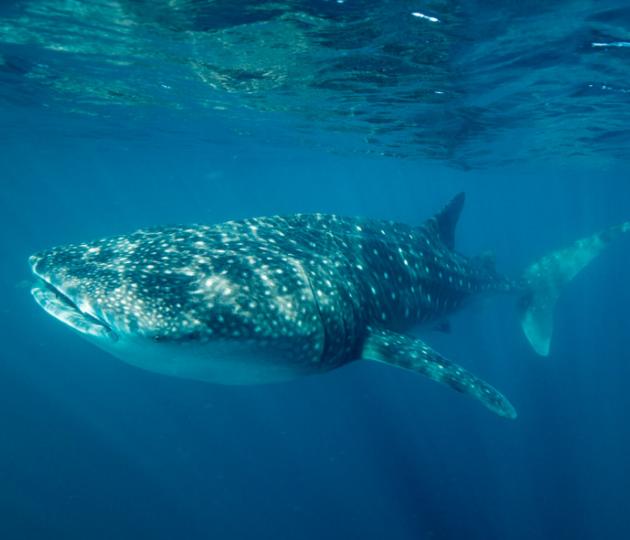
Researchers are developing new ways to study the world’s largest fish in the ocean, using the smallest of clues.
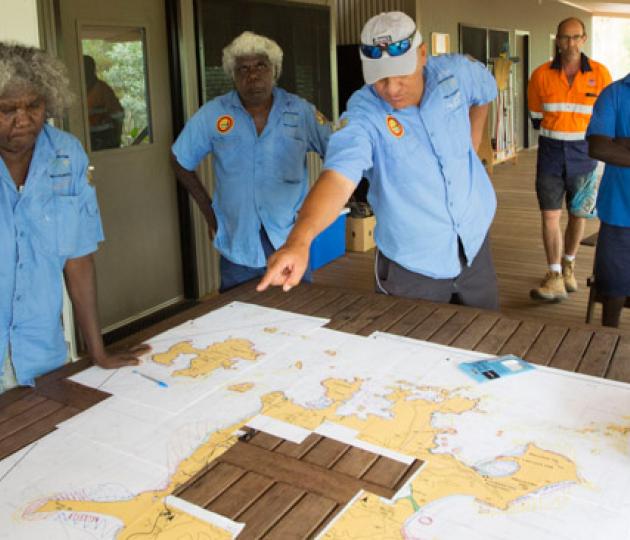
The largest mapping and research project of its kind has given traditional owners of Groote Eylandt, in the Northern Territory, the tools to better manage and protect their sea country.
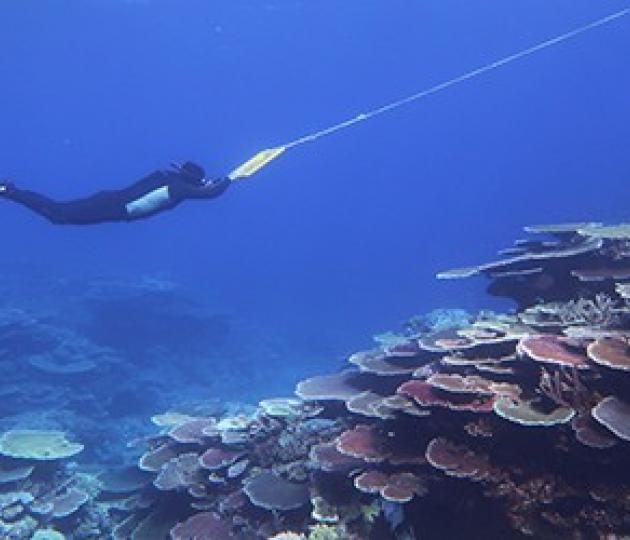
With the Great Barrier Reef under stress from increasingly frequent disturbances, the latest health check shows the Reef needs more time to recover.
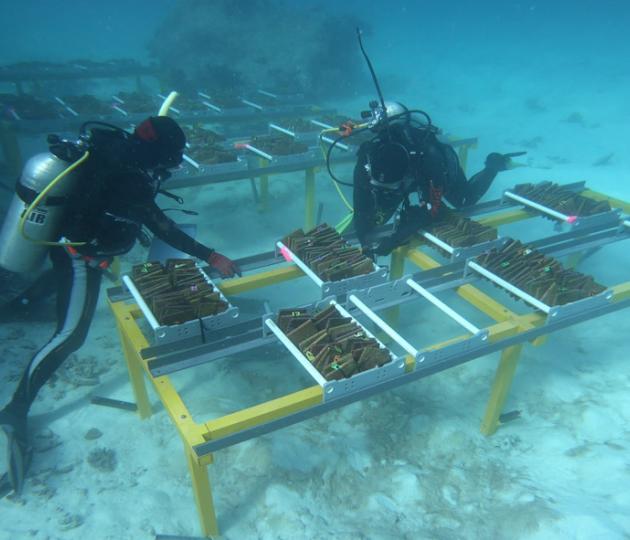
Hundreds of juvenile corals bred at AIMS have survived being transplanted on the Great Barrier Reef, in a promising early test to help corals increase their resilience to marine heatwaves.
The most extensive report into the state of Western Australia's coral reefs, led by the Australian Institute of Marine Science (AIMS), shows many reefs have the lowest coral cover on record.
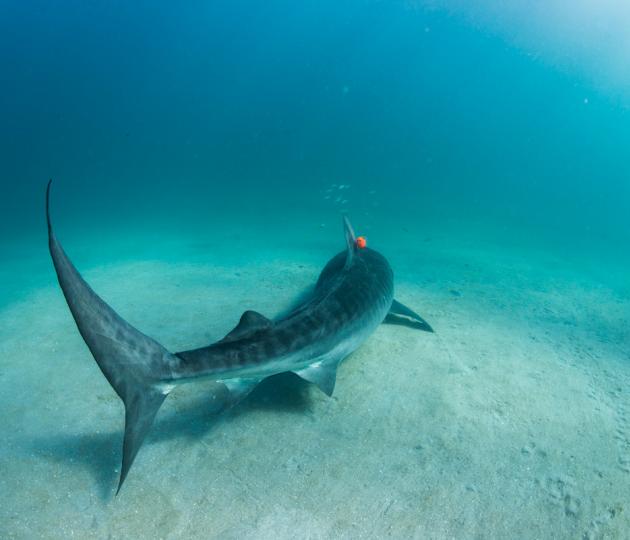
One of the ocean’s top predators – the tiger shark - has been revealed as a relaxed and sometimes lazy hunter by scientists studying their behaviour.
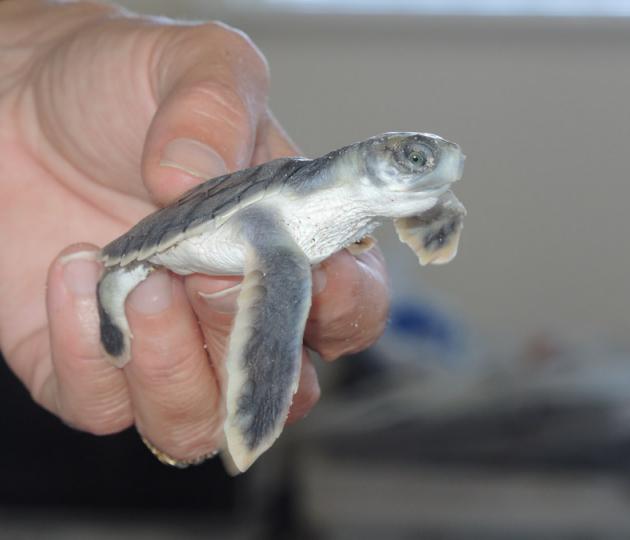
New research has revealed that marine turtle hatchlings entering the ocean close to jetties have a high likelihood of being eaten.
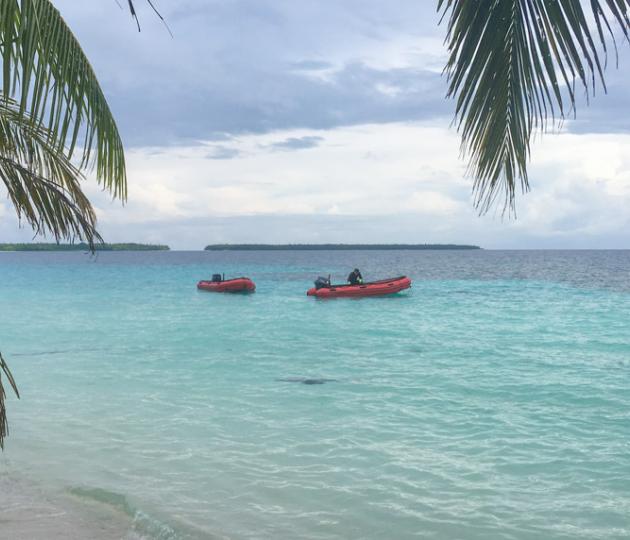
AIMS’ marine biologists Dr Brett Taylor and Dr Mark Meekan have just returned from a 16-day research expedition with international leaders in their fields, to the postcard-perfect Chagos Islands.