
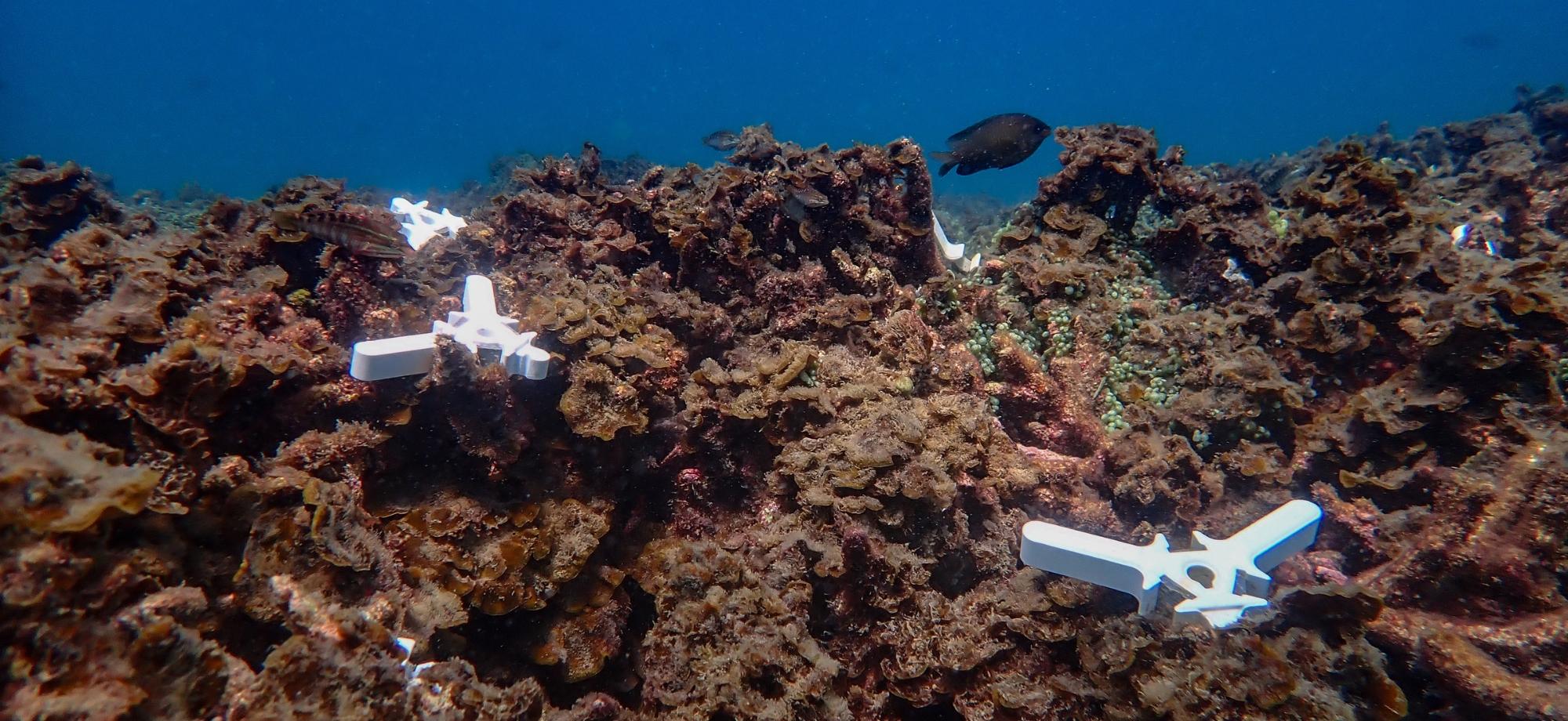
AIMS scientists help take Great Barrier Reef restoration approaches global
Share this:


Efforts to improve and fast track large-scale coral reef restoration processes on Caribbean reefs are being supported by Australian Institute of Marine Science (AIMS) scientists as part of a new international collaboration.
The three-year Global Tech Transfer Project will see AIMS partnering with US-based SECORE International – an organisation dedicated to the sustainable restoration of coral reefs.
AIMS' advanced coral seeding technologies will be combined with SECORE's extensive knowledge and expertise in implementing coral seeding efforts in the Caribbean.
The endeavour come in the wake of devastating coral losses on Caribbean reefs in 2023 and 2024 caused by severe marine heatwaves which led to widespread coral bleaching and mortality. Surviving corals are also threatened by increased coral disease.
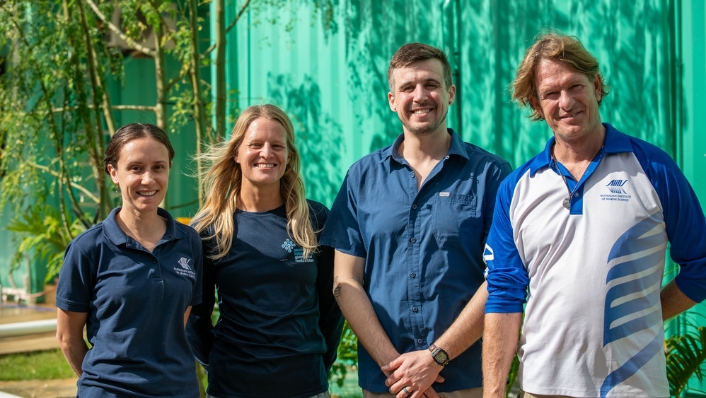
AIMS senior research scientist Dr Carly Randall said AIMS and SECORE are working closely together to test new approaches to restoration on Caribbean reefs.
“The goal is to create an international toolbox of coral seeding methods to help reefs worldwide,” said Dr Randall.
“Over the last five years, AIMS has led the design of scalable and cost-effective methods for coral seeding, achieved through research programs such as the Reef Restoration and Adaptation Program.
“Given the importance of coral reefs to billions of people globally, we are very interested in ensuring this technology works across regions and with many species. This project enables us to translate and test the technology in new reef environments and combine it with methods developed by SECORE to broaden our collective coral restoration toolbox.”
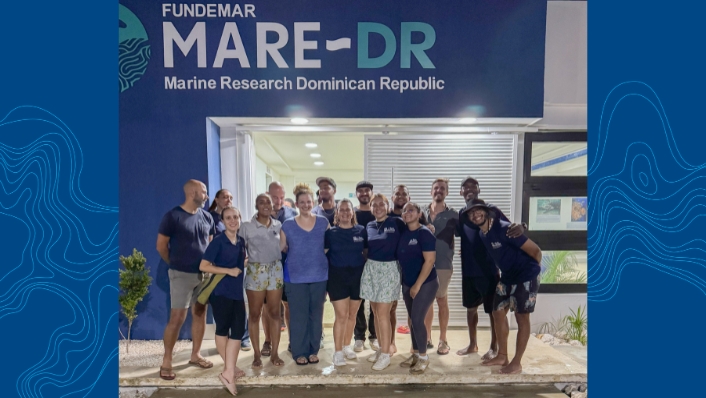
The AIMS and SECORE teams are currently in the Dominican Republic where they are also partnering with marine conservation organisation Fundación Dominicana de Estudios Marinos, Inc (FUNDEMAR) to test how Australian technologies and methods can be combined with regional low-tech approaches and existing protocols for coral breeding.
They are building components of the ReefSeed system – a containerised coral aquaculture system capable of producing millions of coral larvae in remote regions for coral seeding approaches to reef restoration – into the new FUNDEMAR aquaculture facility in Bayahibe.
Coral seeding harnesses coral spawning (which is how corals reproduce sexually) and delivers the offspring (or ‘seeds’) to reef sites to fast-track reef recovery.
Young corals may be settled on devices in enclosures in the ocean or in aquaculture facilities, and are then delivered as small coral polyps to the chosen reef sites.
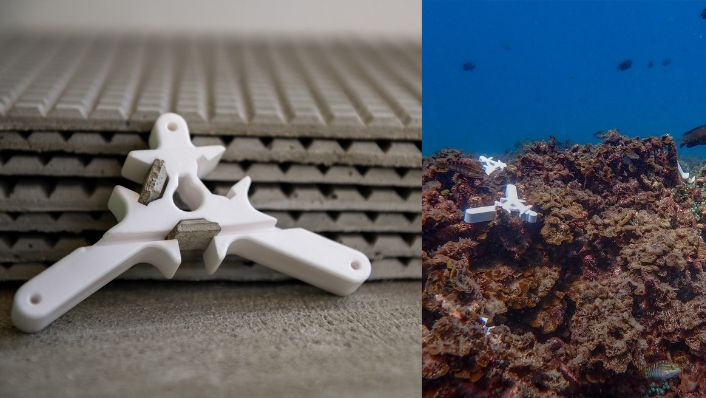
After years of developing coral seeding techniques in the Caribbean, SECORE contributed to AIMS’ development of coral seeding on the Great Barrier Reef. AIMS has built on this and other existing methods to enhance approaches for the Reef.
Dr Dirk Petersen, SECORE’s Founder and Executive Director, said the Global Tech Transfer Project was enabling an important step towards expanding the restoration toolbox being provided to coastal communities.
“We urgently need more global collaboration to tackle the coral reef crisis in the Caribbean and prepare other regions for worsening climate scenarios,” he said.
The Global Tech Transfer Project is funded by Builder’s Vision, the Great Barrier Reef Foundation and Vere Initiatives.
The Reef Restoration and Adaptation Program is funded by the partnership between the Australian Government’s Reef Trust and the Great Barrier Reef Foundation.
Share this


