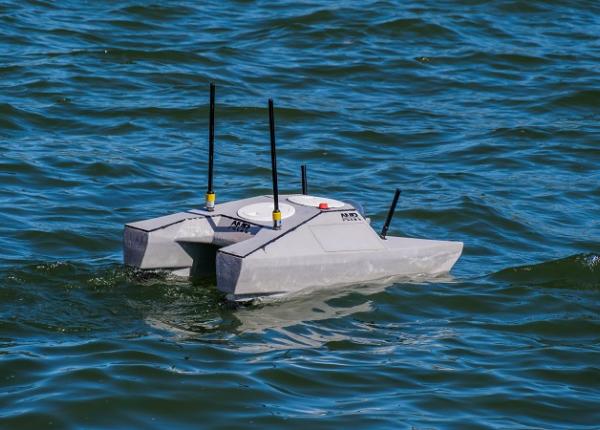
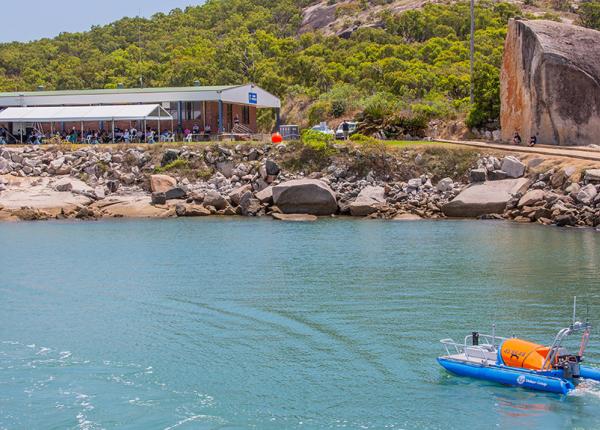
Like self-driving cars, self-driving or autonomous boats are rapidly developing to perform a wide range of tasks from marine monitoring and mapping to surf rescue, border patrol and ocean surveillance.
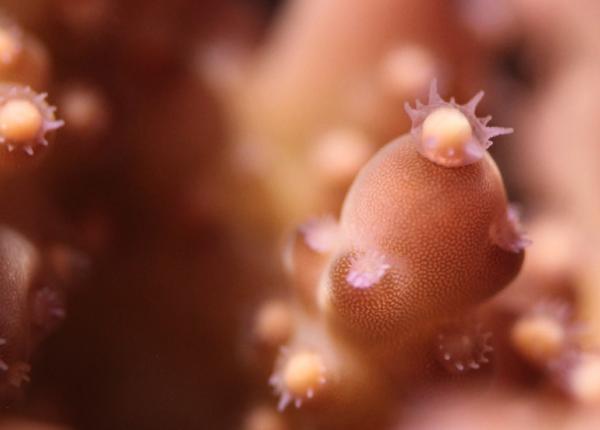
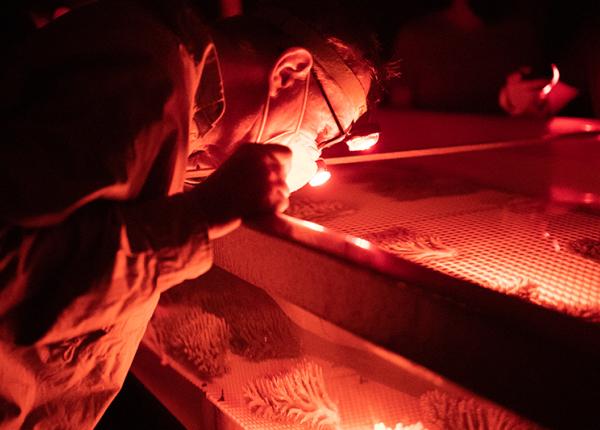
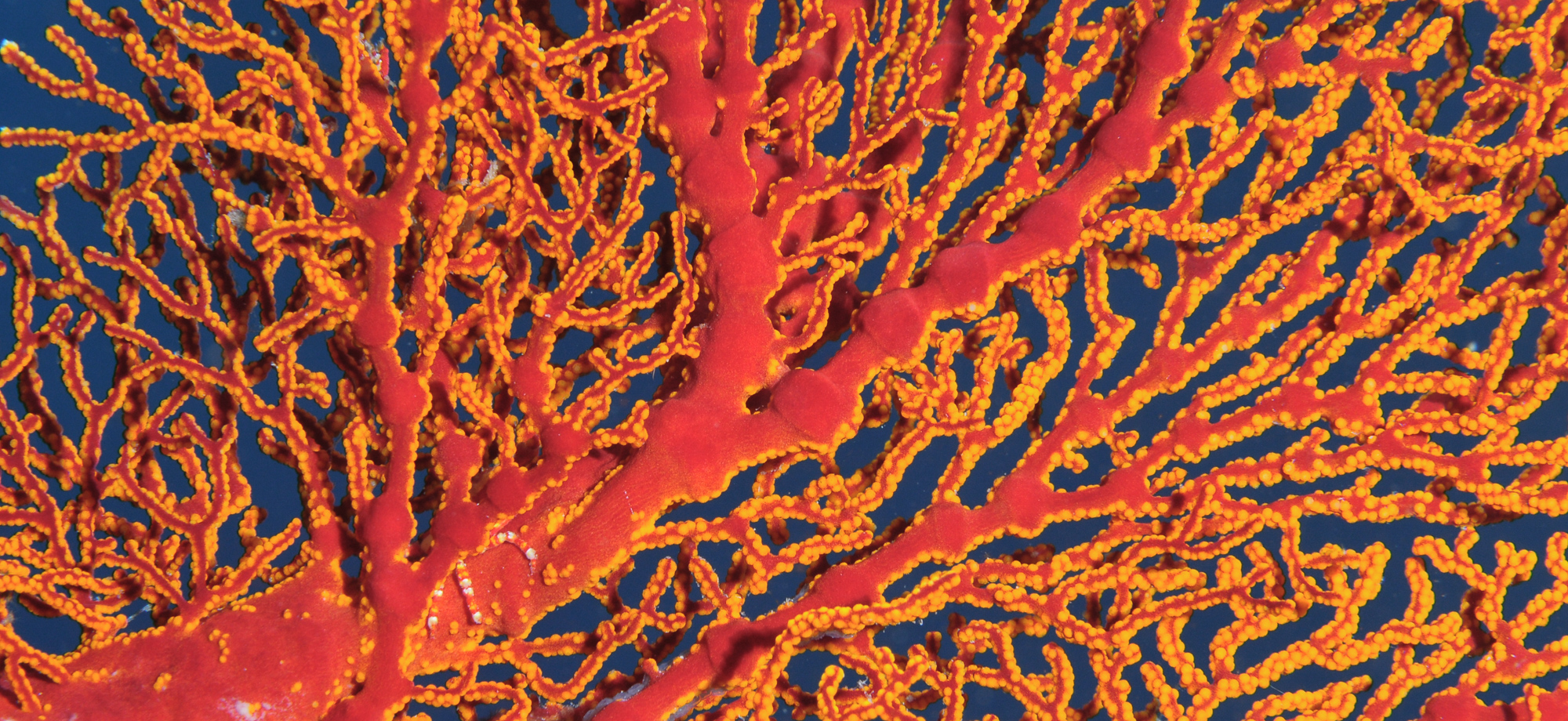
For the first time, researchers from the Australian Institute of Marine Science (AIMS) have successfully bred the next generation of captive-raised corals in an experimental aquarium outside of their natural reproductive window, months before the annual spawning season on
The northern and central Great Barrier Reef have recorded their highest amount of coral cover since the Australian Institute of Marine Science (AIMS) began monitoring 36 years ago.
Great Barrier Reef Research Program Director Dr Britta Schaffelke was today awarded the 2022 AIMS medal by
Marine scientists have discovered that whale sharks eat plants, making the iconic fish the world’s largest omnivore.
Many new high-tech jobs are on offer at AIMS in marine robotics, virtual reality and artificial intelligence.
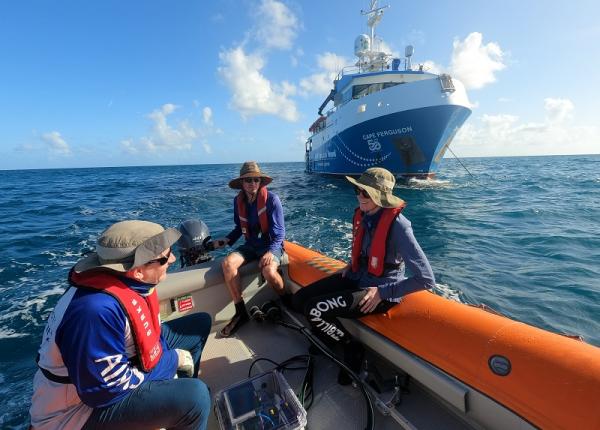
When De’vereux Harvey was studying mechanical engineering seven years ago, she did not imagine it would lead to a job where she got to visit some of the most sought-after reef destinations in the world to design systems to support marine science.
Scientists are examining why some individual corals are more resilient to heat stress