
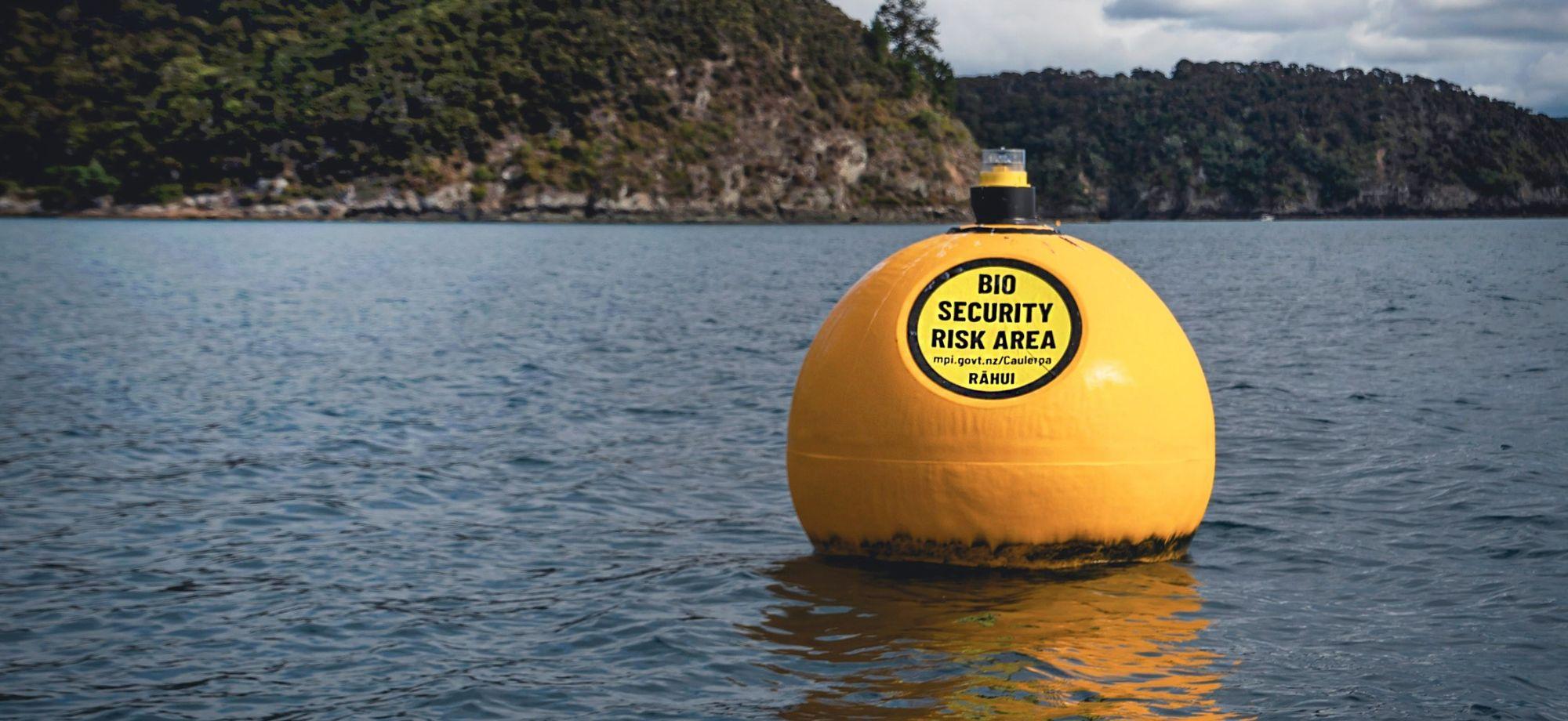
The challenge
Invasive marine pests, spread by increased international trade and traffic, can cause longlasting ecological and economic damage. Early detection is critical to containing outbreaks before they take hold.
New Zealand’s coastal authorities, local communities and iwi and hapū (Māori tribes and subtribes), are concerned that a new marine pest, Caulerpa seaweed, is spreading rapidly via boat gear or anchor entanglement.
Surveillance resources are limited, and the country’s vast coastline makes it difficult to prioritise where to look for further outbreaks. Once established, invasive marine pests are extremely difficult and costly to eradicate.
The approach
Working in partnership with local stakeholders and other researchers, AIMS scientists mapped vessel movements between ports and coastal habitats across New Zealand.
Then, focusing on the Northland area, they used these vessel networks to model the potential transmission and infection of Caulerpa to quantify the biosecurity risk.
They identified:
- How widely Caulerpa could spread across New Zealand in a worst-case scenario.
- The most likely routes of Caulerpa spread.
- High-risk locations for priority surveillance and early detection.
The impact
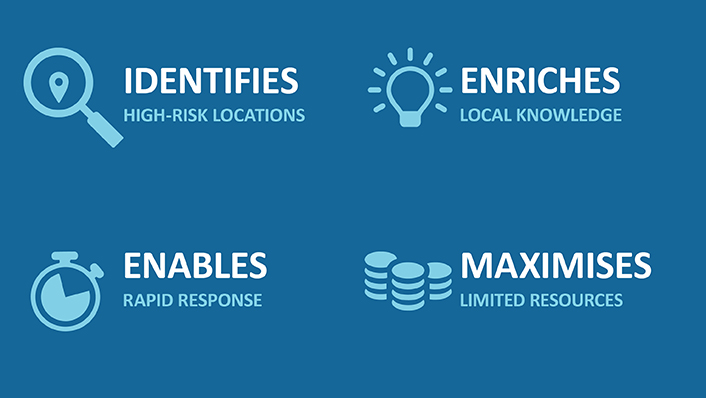
The Caulerpa spread predictions provided Northland Regional Council with valuable insights at a critical time, enabling a targeted, rapid response to the incursion.
AIMS and partners have created practical tools that are now being used in New Zealand, Australia, and the wider Indo Pacific region. These tools augment local knowledge and help build biosecurity preparedness for future marine pest threats, such as prioritising surveillance locations for early detection and intervention.
Funding was provided by the Ministry for Business, Innovation and Employment in New Zealand. The Caulerpa study was funded by an Envirolink Grant to the Northland Regional Council. Research partners included: Cawthron Institute, Deakin University, the University of Western Australia Oceans Institute, LandWaterPeople Ltd, Starboard Maritime Intelligence, Ministry for Primary Industries, Auckland Council and Northland Regional Council.


