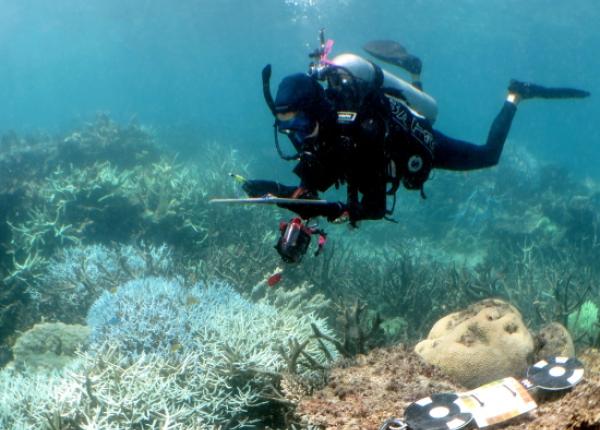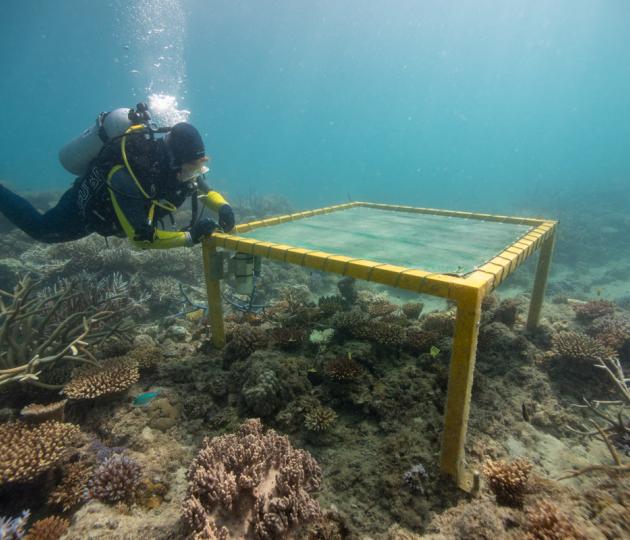
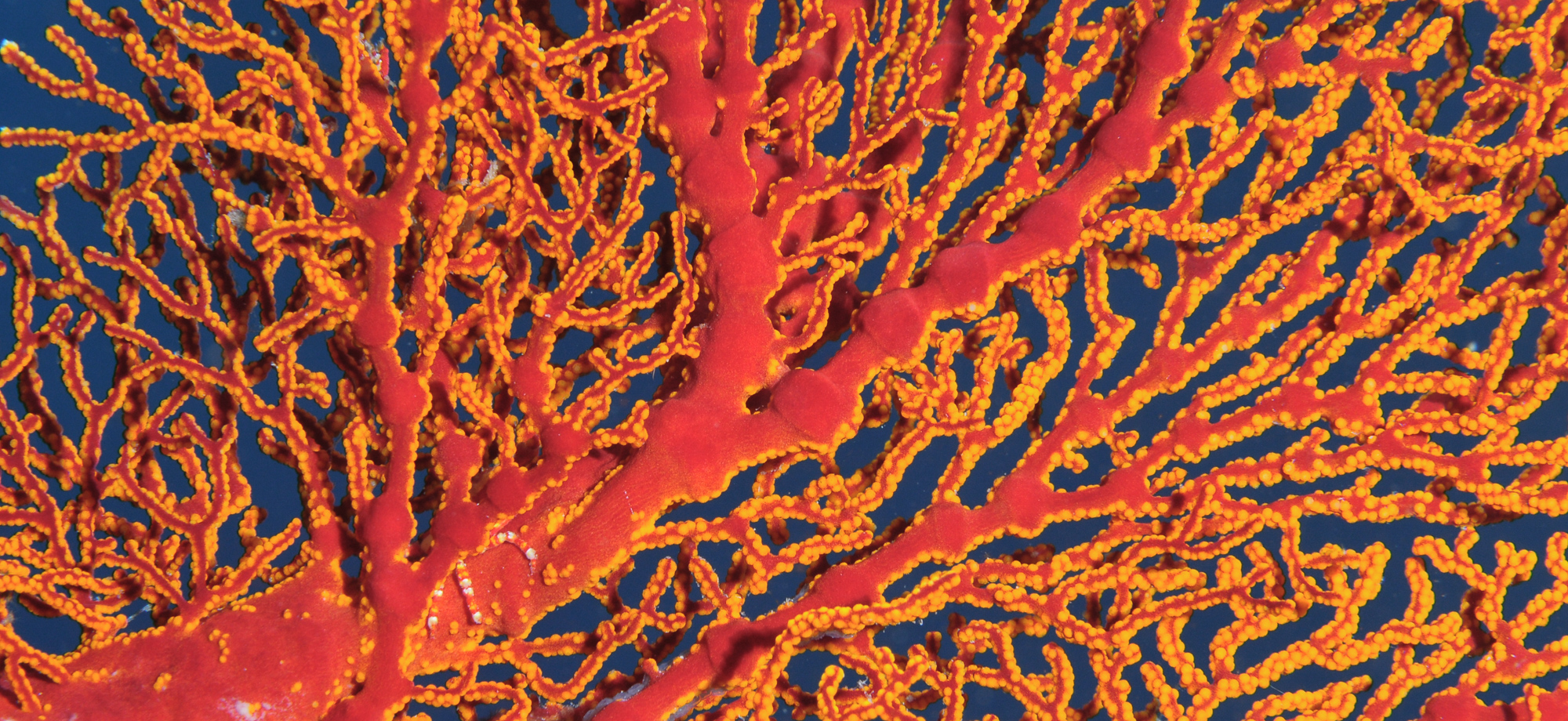
The Australian Institute of Marine Science (AIMS) and marine industry collaborators have deployed the final batch of aquaculture-reared young corals onto the Great Barrier Reef in the first year of a three-year program to test reef restorations methods.
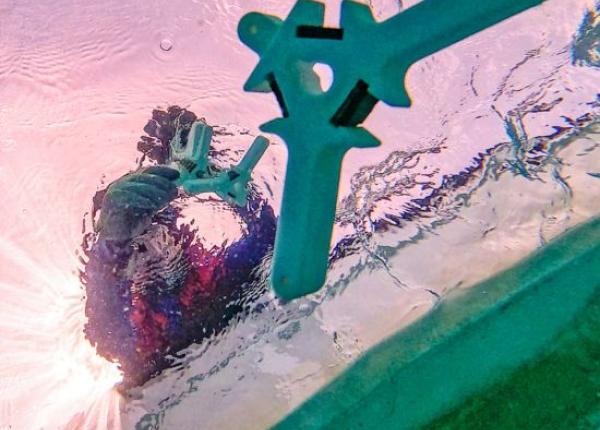
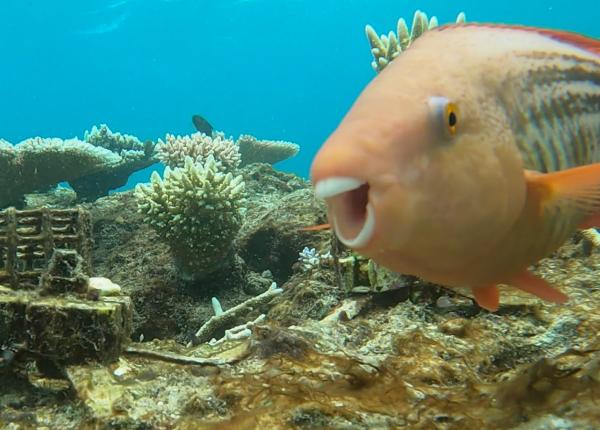
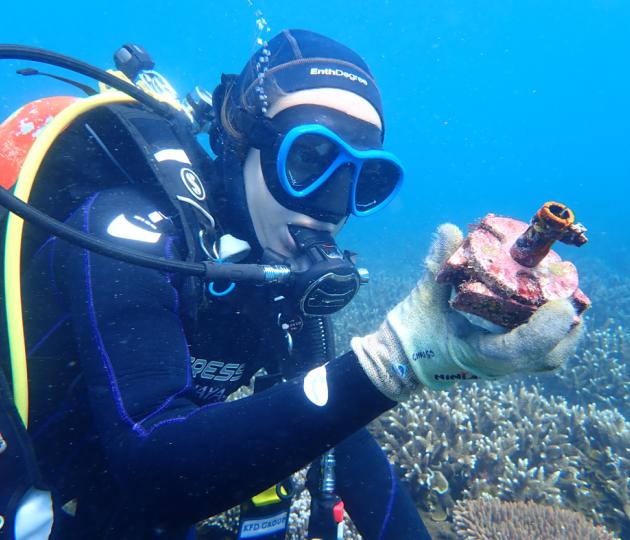
Scientists have designed special cradles for baby corals that help prevent fish from eating them alive.
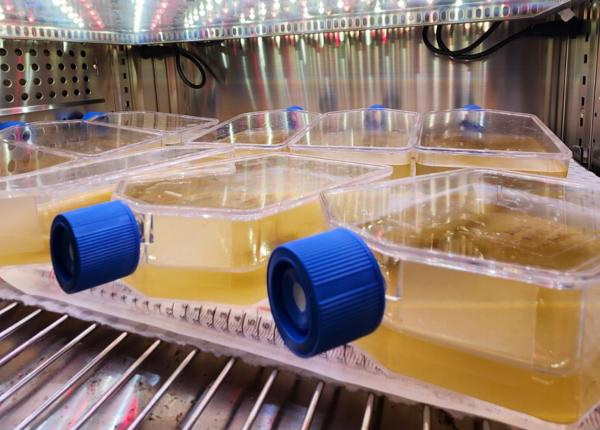
Adult fragments of a coral species can better tolerate bleaching and recover faster when treated with tougher heat-evolved symbionts.
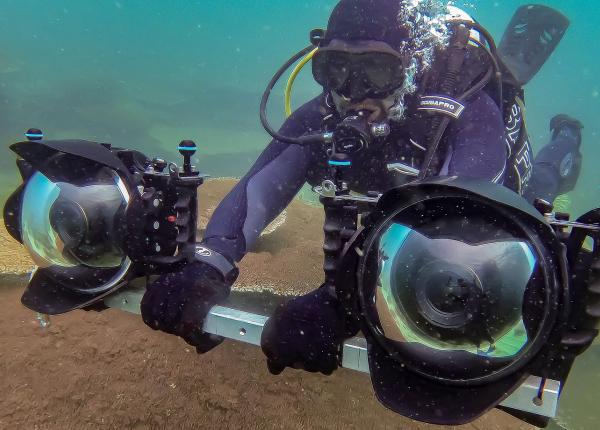
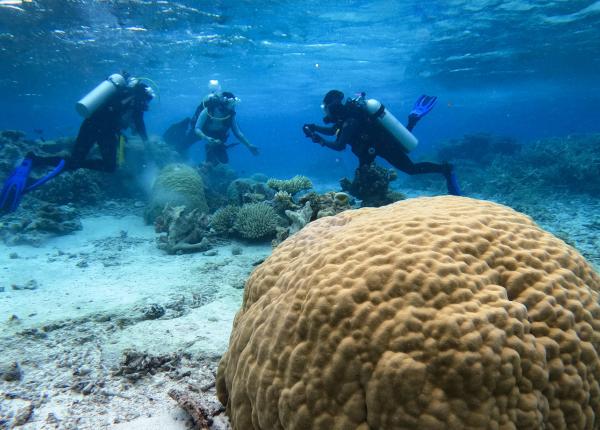
Photogrammetry is the scientific technique that can not only transport you into the delicate corners and crannies of the underwater world but enable AIMS scientists to measure large sections of the Great Barrier Reef. This is accelerating their ability to help vulnerable reefs recover and adapt to a warming climate.
Coral scientists are squaring up to the dilemma of selecting which and how many coral species will have their future underwritten by cutting-edge reef restoration research.
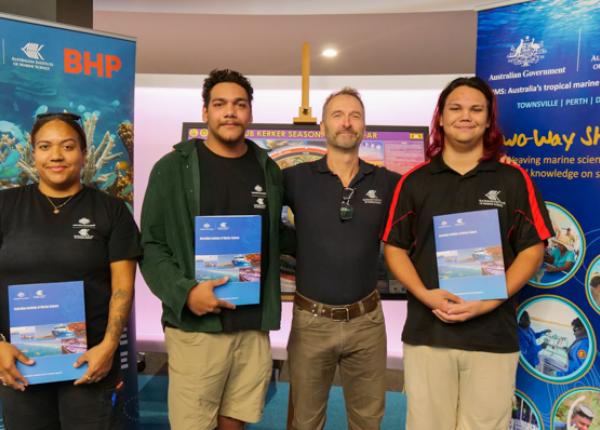
Four Indigenous aquaculture trainees who have been honing their skills at the Australian Institute of Marine Science (AIMS) have successfully completed an inaugural two-year training course and are now expanding their skills with work placements at the Townsville headquarters.
These recent research breakthroughs give us renewed hope for its survival