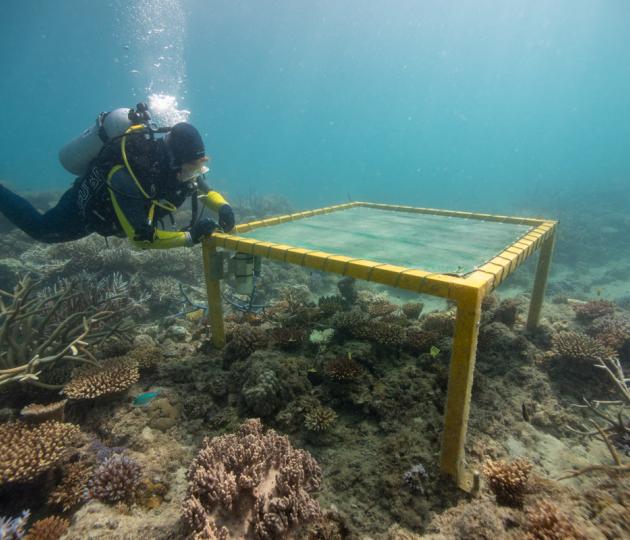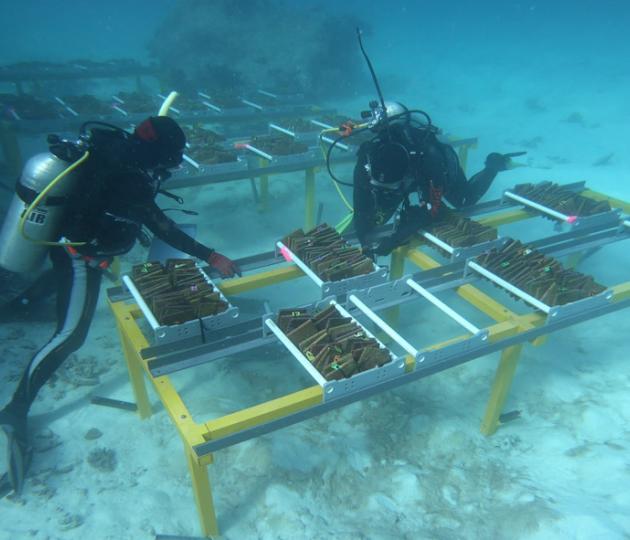
Scientists have designed special cradles for baby corals that help prevent fish from eating them alive.
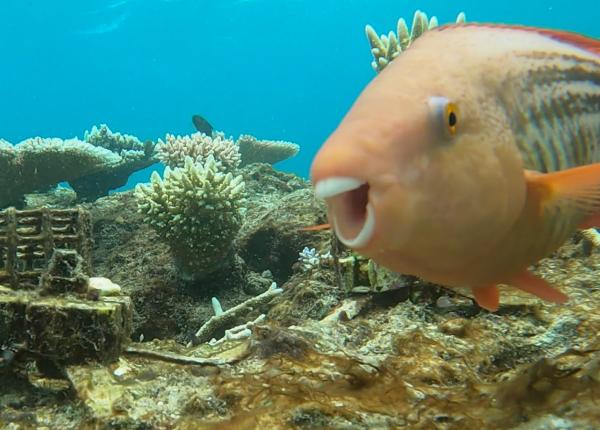
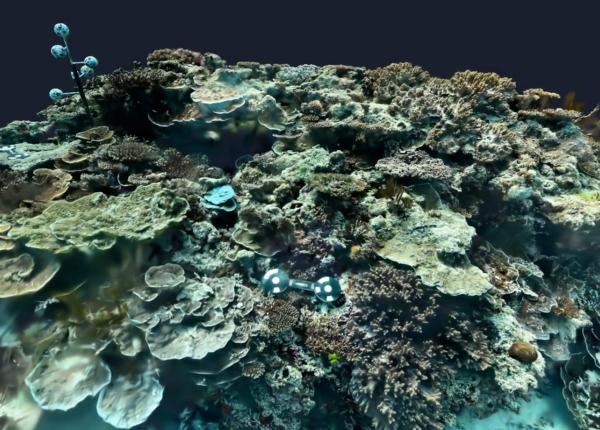
Photo-realistic 3D images of sections of the Great Barrier Reef that will aid recovery and management efforts could be produced faster and more accurately thanks to a new partnership between AIMS and La Trobe University.
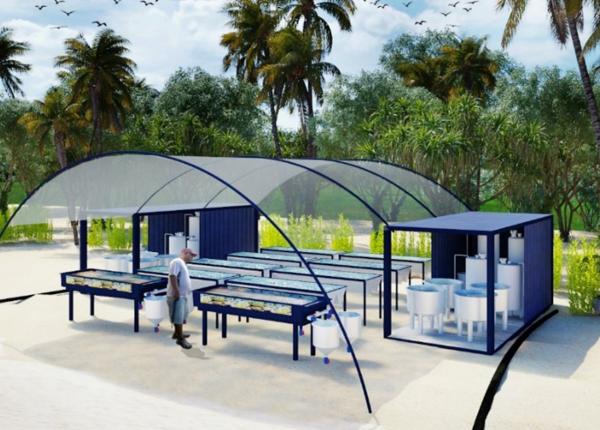
Portable aquariums that can be set up in remote areas to each propagate up to 100,000 young corals at a time for reef restoration will be developed by the Australian Institute of Marine Science.
Coral scientists are squaring up to the dilemma of selecting which and how many coral species will have their future underwritten by cutting-edge reef restoration research.
.
Unprecedented global collaboration across many disciplines is needed to overcome the research challenges of scaling up sexual production of corals, to help the world’s coral reefs combat the impacts of climate change and other threats.
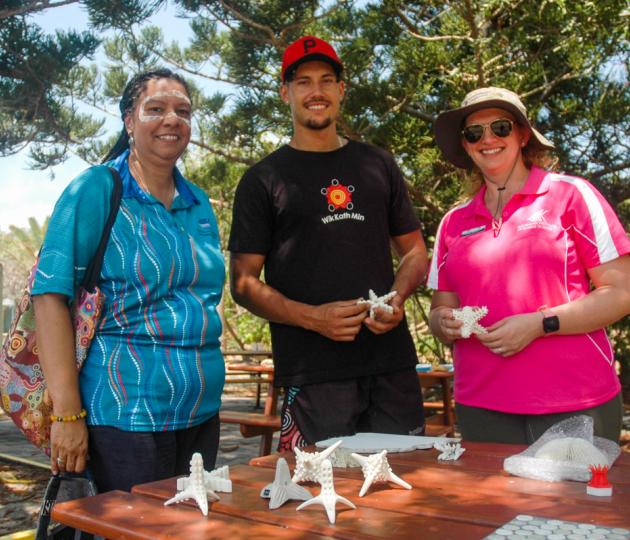
AIMS and the Keppel Island’s Traditional Owners have begun a partnership to map traditional and scientific knowledge of the marine environment.
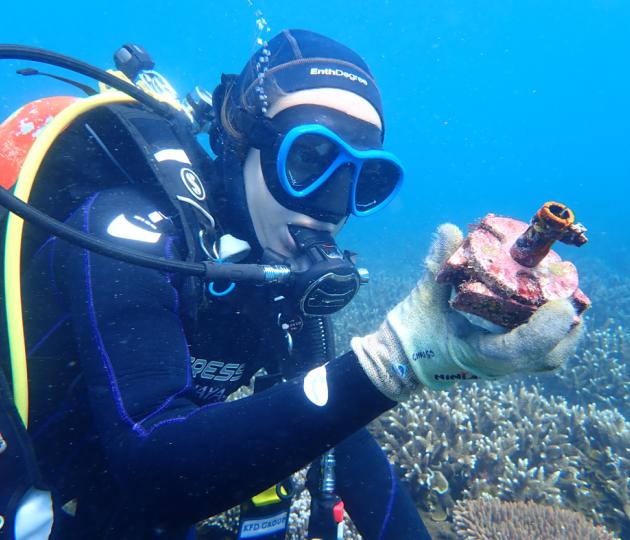
Hundreds of juvenile corals bred at AIMS have survived being transplanted on the Great Barrier Reef, in a promising early test to help corals increase their resilience to marine heatwaves.