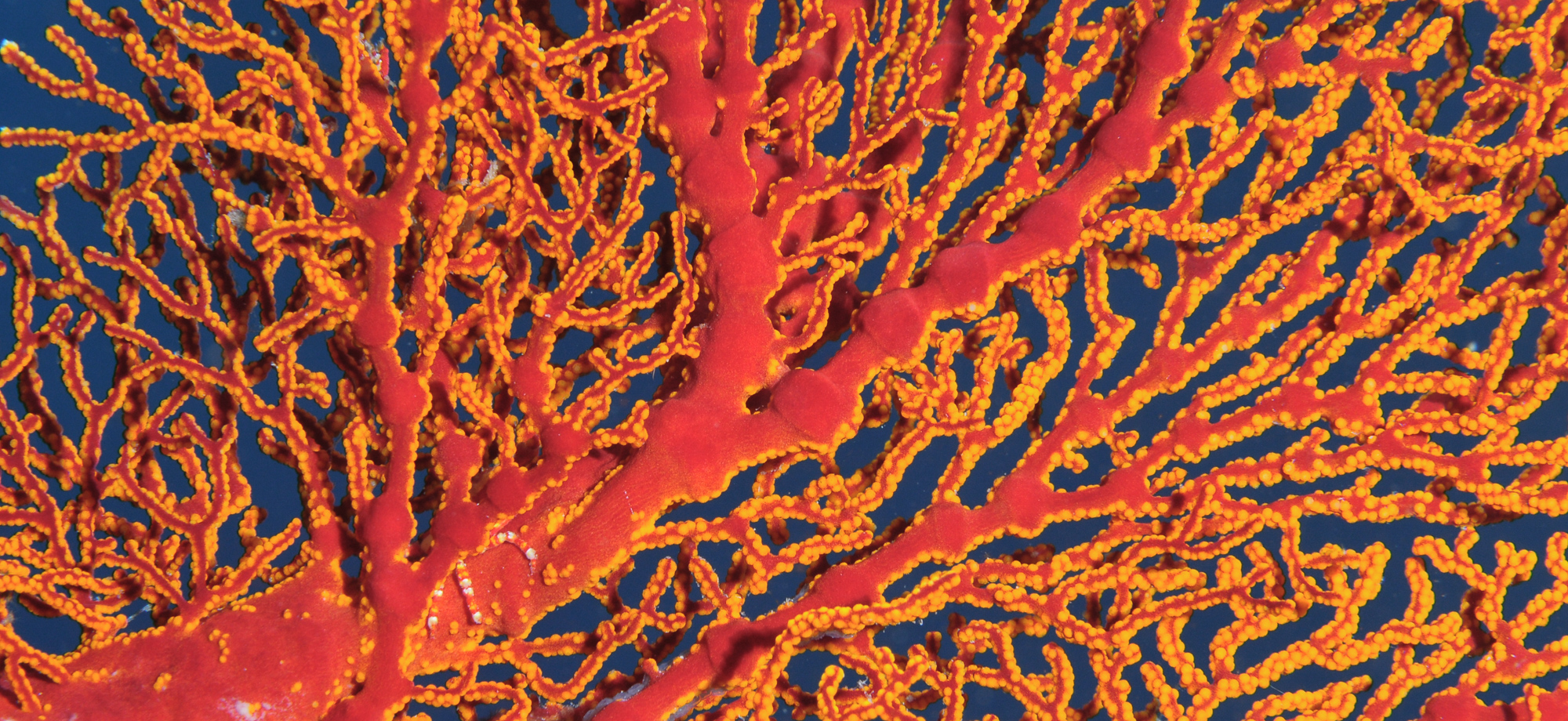
New research shows surprising new evidence of variable heat tolerance in corals.
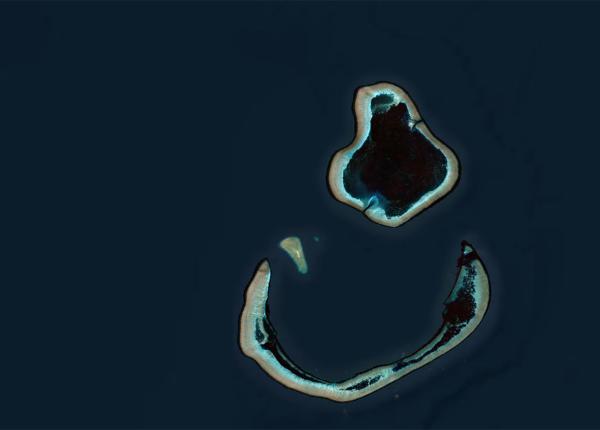
Lying 600km east of the New South Wales coastline, Lord Howe Island is a World Heritage-listed destination renowned for its endemic plant and animal species.
Researchers from the Australian Institute of Marine Science have developed an advanced remote sensing model that will significantly enhance efforts to manage and restore coral reefs.
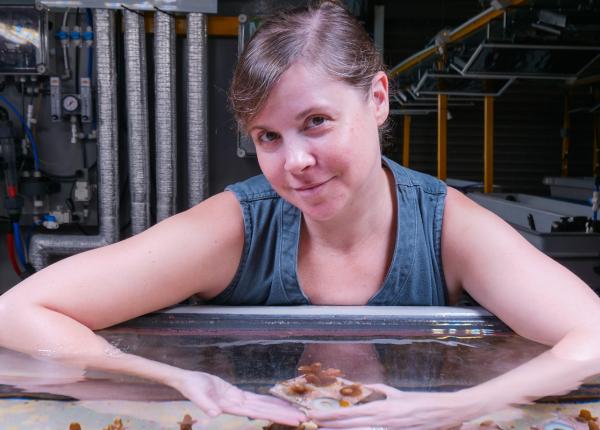
For National Science Week we put some of our awesome scientists who are near the beginning of their career, under a microscope to discover what they love about science and what inspired them to work in marine science.
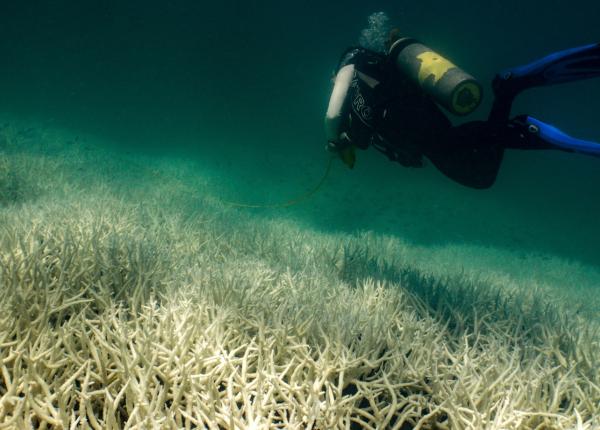
Has this summer’s bleaching killed many corals on the Barrier Reef – or will they recover? The answer is – we don’t know yet.
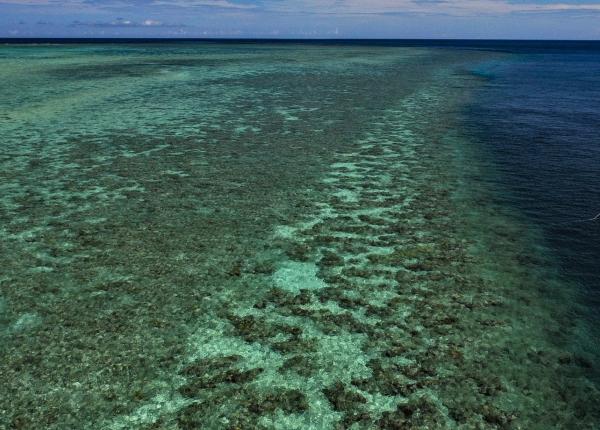
Coral cover has increased in all three regions on the Great Barrier Reef and is at regional highs in two of the three regions. But the results come with a note of caution.
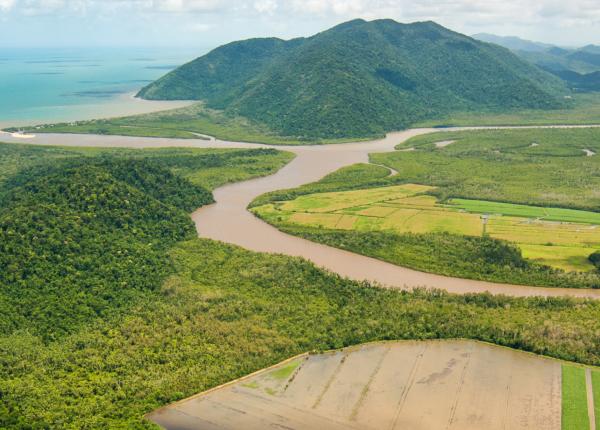
The most comprehensive and rigorous review about the effects of land-based activities on Great Barrier Reef water quality and ecosystem condition has been released today: the 2022 Scientific Consensus Statement.
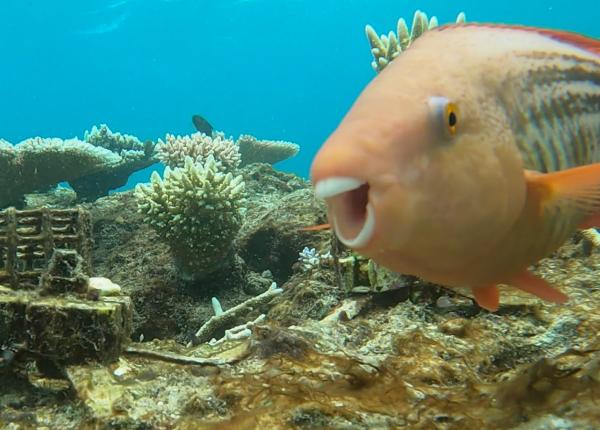
Scientists have designed special cradles for baby corals that help prevent fish from eating them alive.
An AIMS’ marine science graduate will be blazing a trail in the United States later this year after winning a prestigious Fulbright Postgraduate Scholarship to help further her research into a plankton species and its role in dangerous algae blooms.