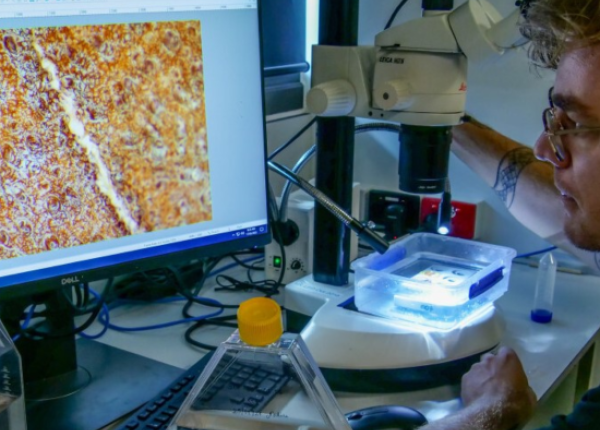
A crucial tool in large scale coral reef restoration can be made cheaply and with non-toxic waste materials which could encourage their uptake in developing countries, a new study has found.
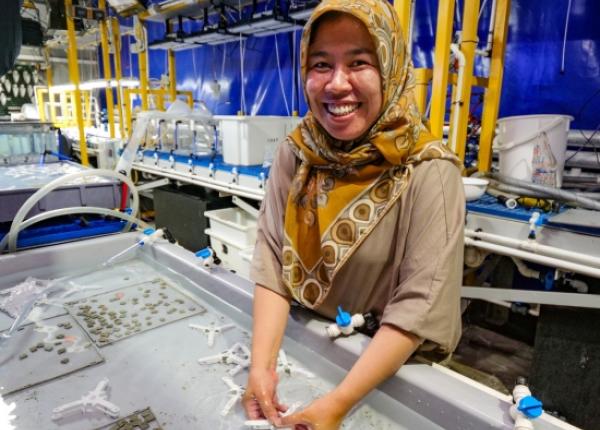
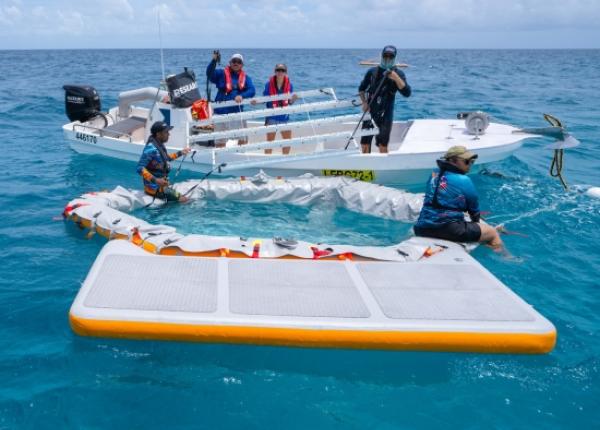
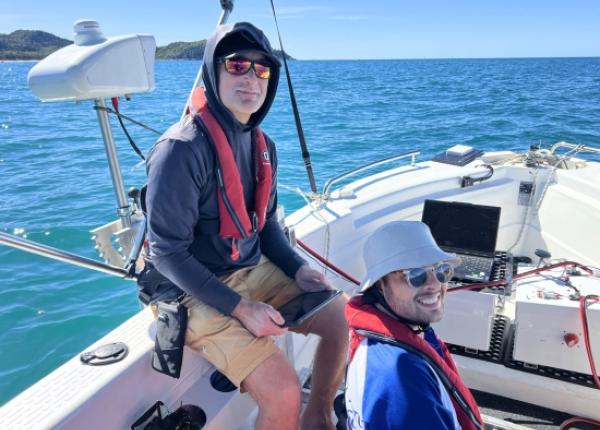
During coral spawning season, AIMS is all about scaling up. As part of the Pilot Deployments Program, we are trialling the techniques and technologies needed to do reef restoration at scale, alongside industry and research partners in the Reef Restoration and Adaptation Program.
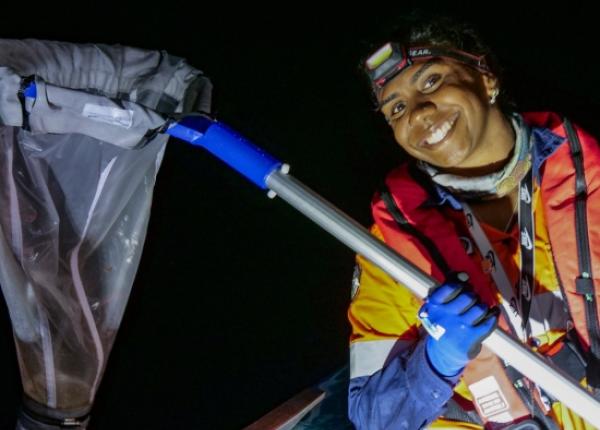
The Australian Institute of Marine Science (AIMS) has led one of the world’s largest reef restoration tests on a coral reef ecosystem during the recent mass spawning on the Great Barrier Reef.
By 2100 Australian and global coral reef communities will be slow to recover, less complex, and dominated by fleshy algae, as high carbon dioxide changes ocean chemistry.
First Nations rangers are partnering with scientists from the Australian Institute of Marine Science (AIMS) to take restoration research out of the laboratory and onto the Great Barrier Reef (GBR) throughout November.
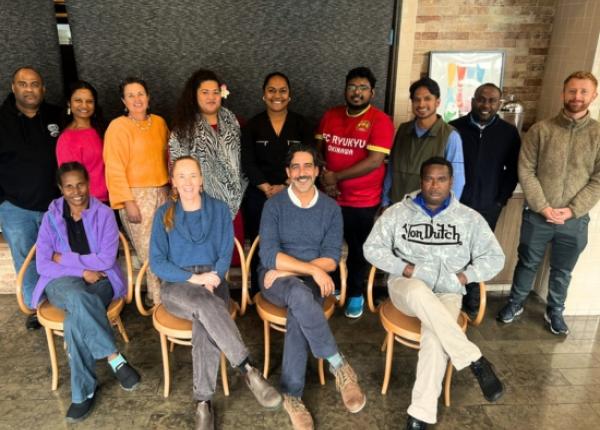
The Australian Institute of Marine Science (AIMS) is collaborating with Pacific Island nations to boost coral reef monitoring by integrating scientific methods with artificial intelligence (AI).