
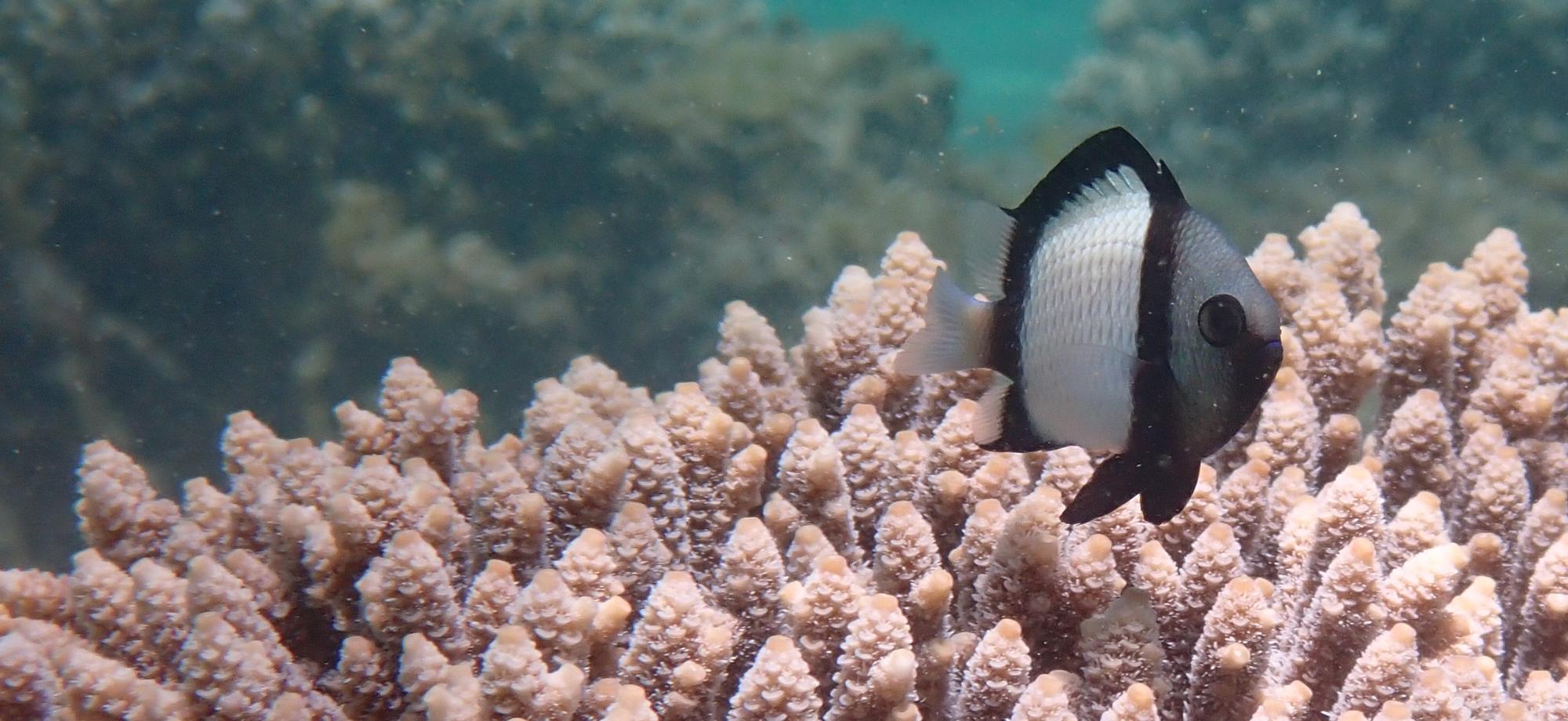
Damselfish pick-up lines could have a regional accent
Share this:


Courtship calls among two species of fish commonly found on Australian coral reefs have been described, and researchers say their ‘accents’ can vary significantly between regions.
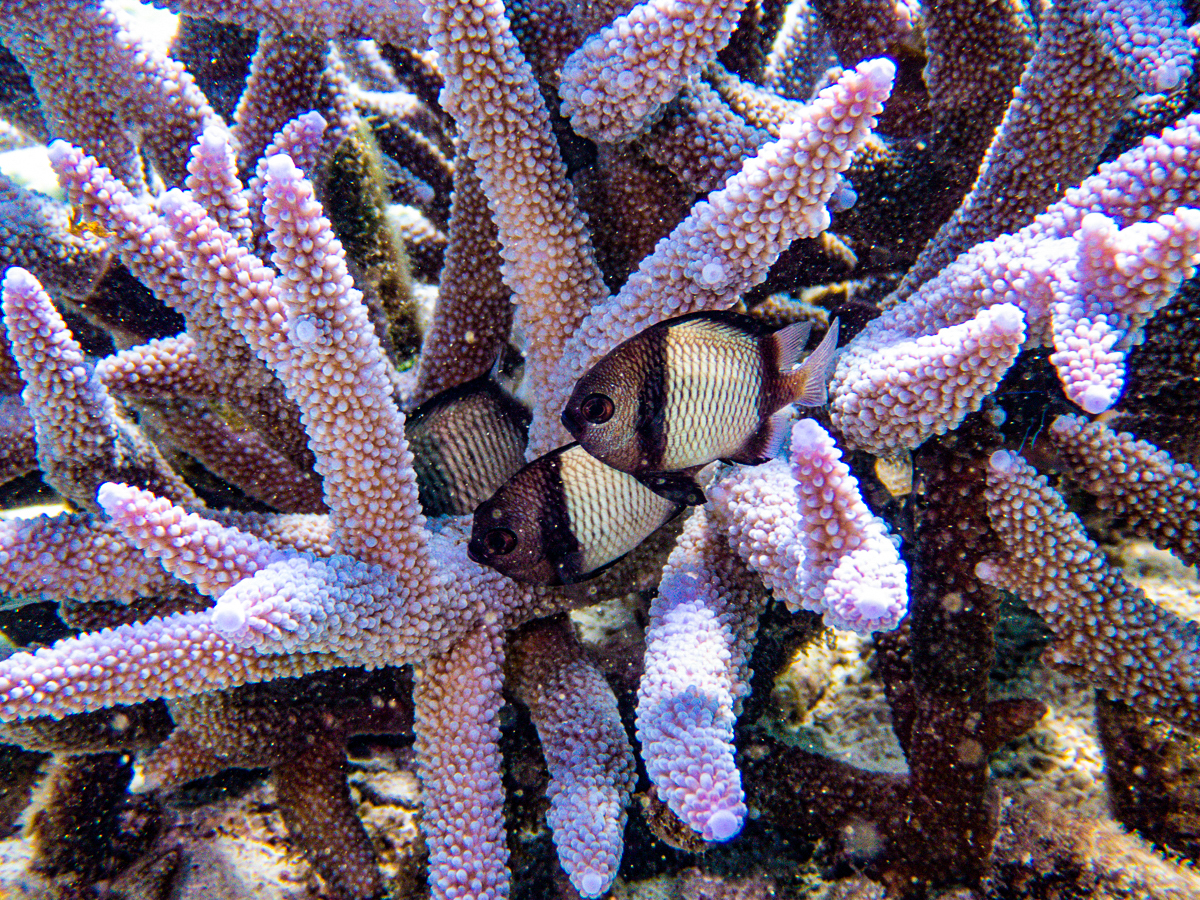
Scientists led by the Australian Institute of Marine Science (AIMS) and the Centre for Marine Science and Technology (CMST) at Curtin University combined audio and visual tools to study two closely related Damselfish species - Dascyllus aruanus and Dascyllus reticulatus – finding they each produce distinct courtship pulse sounds.
Researchers found the sounds varied strongly between two reef locations featured in the study, indicating that factors such as local dialects and environmental conditions, may influence how sounds are produced by the small black and white fish.
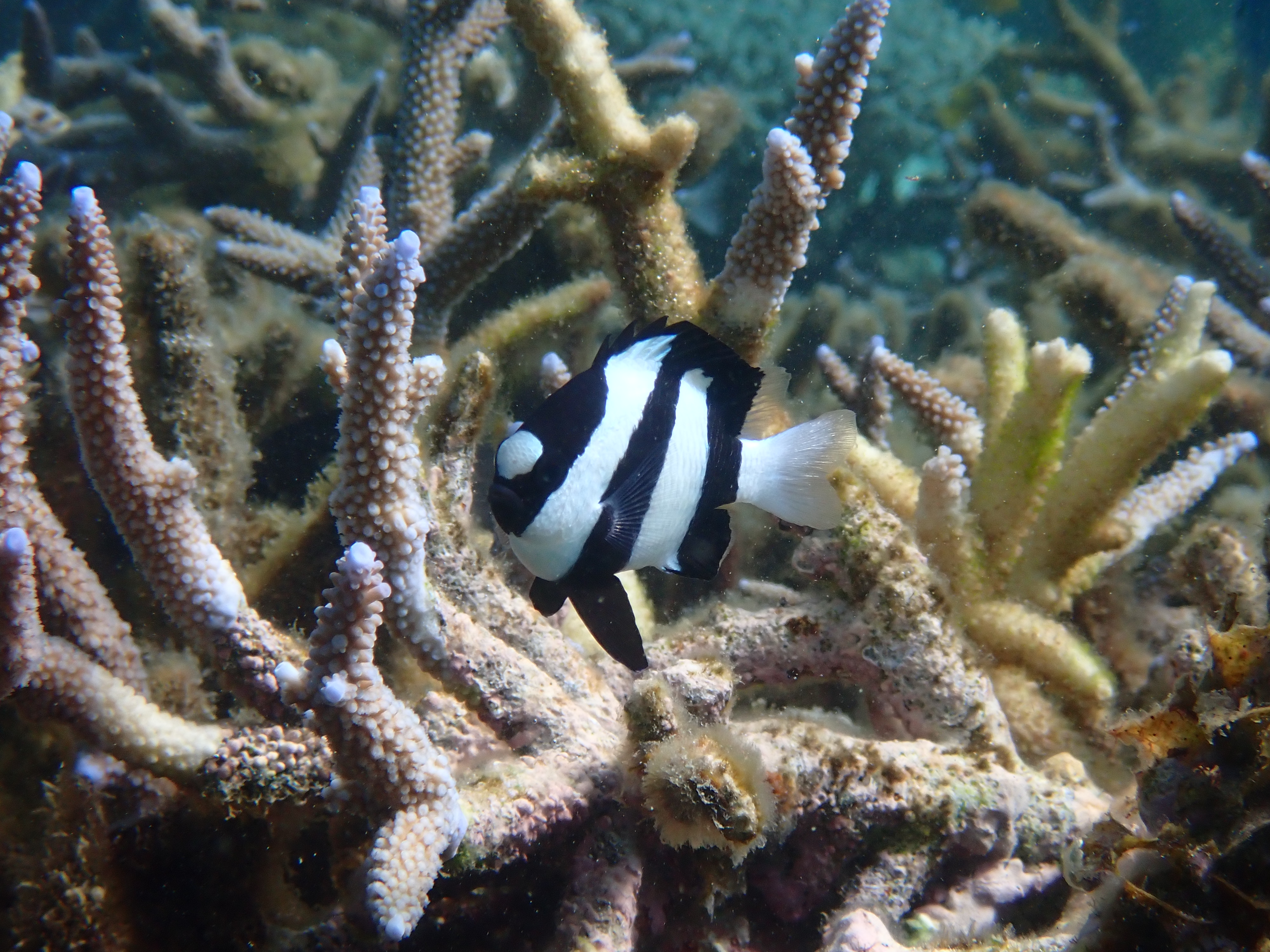
Characterising variation in fish sounds associated with reproduction improves scientists’ ability to detect species remotely and, in some cases, measure spawning success.
Lead author and AIMS/Curtin University PhD student Juan Carlos Azofeifa-Solano said fish at Lizard Island on the Great Barrier Reef (Far North Queensland) produce shorter, faster pulses (a bit of a ‘Northern twang’), whereas the same species at Coral Bay on the Ningaloo Coast (Gascoyne region, Western Australia) have a slower, more drawn-out pulse rate.
“The courtship calls of these fish are like a regional accent,” said Mr Azofeifa-Solano, who completed this study as part of the Reef Song project.
“We know that some species of fish have call characteristics that can change with location. Our recordings, taken at different times of year, suggest there is potential that environmental factors are influencing their vocal communication as well.
“The slower calls in Coral Bay were recorded during a period of prolonged high temperature. These calls are energetically demanding, which could be further constrained by environmental stressors such as heatwaves.
“Heatwaves impact the overall health of marine species, and our results are consistent with the theory that chronic thermal stress may modulate sound production in fish.
“These findings highlight how reef fish communicate across different parts of Australia and point to the need to understand how climate change may affect communication by marine fauna.”
Recording and attributing the pulse sounds of the damselfish for this study was a difficult task. Many fish sounds remain undocumented because it is hard to attribute the cacophony of sounds on biodiverse places like coral reefs to individual species, or to their particular behaviours.
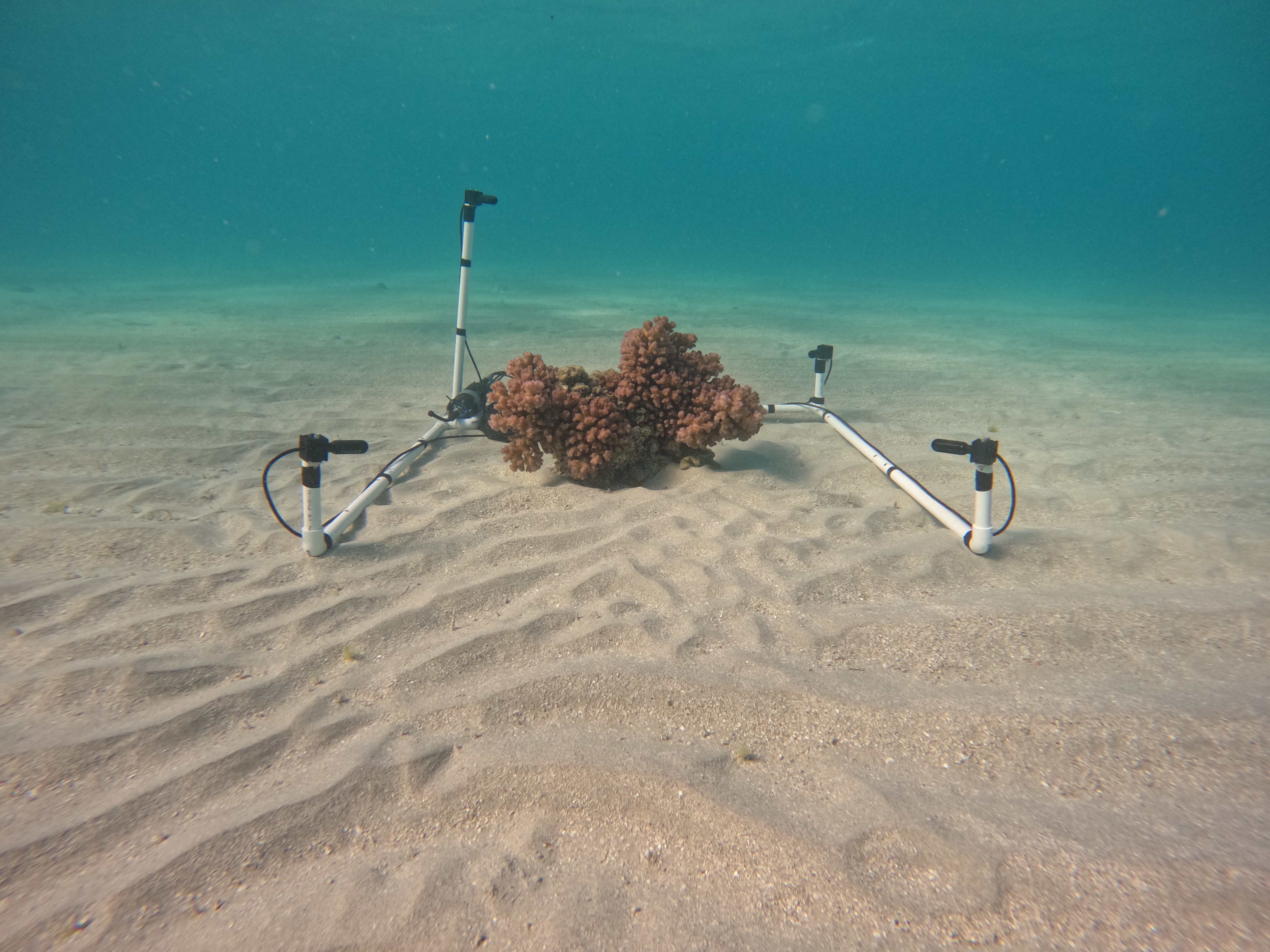
The researchers got around this difficulty by using a combination of portable hydrophones to record sounds with video observations to assign fish sounds to specific species and their behaviours. This method was based on previous studies from scientists at the Woods Hole Oceanographic Institution (WHOI), who were part of the research team.
Senior author on the research Dr Miles Parsons, an acoustic scientist at AIMS, said the study strengthened the use of underwater listening as a non-invasive way to monitor reef health.
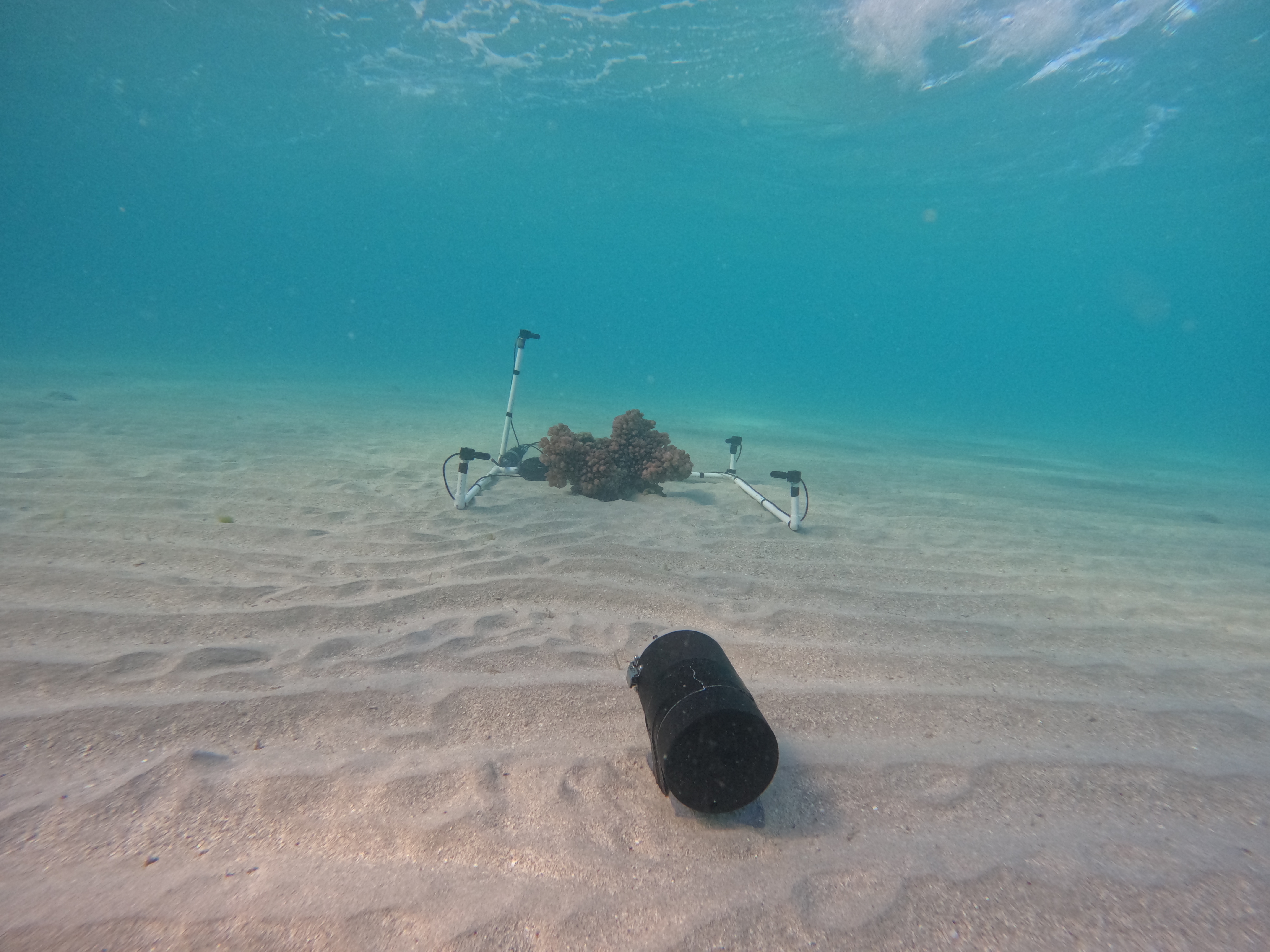
“Understanding how reef fish communicate, and how this communication is influenced by local dialects and environmental conditions, is essential for monitoring biodiversity and ecosystem resilience in significant marine environments like coral reefs,” he said.
The study was published in Scientific Reports: Uncovering the acoustic ecology of sympatric coral-dwelling fish with portable audio-video arrays | Scientific Reports
Co-authors on the research were from AIMS, CMST at Curtin University, WHOI, The University of Western Australia, and The University of Auckland.
The Reef Song project is part of the Australian Coral Reef Resilience Initiative, jointly funded by AIMS and BHP.
The research was also supported by the 2023 The Raymond E. Purves Foundation Doctoral Fellowship (Lizard Island Doctoral Fellowship, Australian Museum Lizard Island Research Station, Australian Museum, Lizard Island Reef Research Foundation).


