
Protecting coral cover on a reef under pressure
The Great Barrier Reef is increasingly affected by marine heatwaves, mass coral bleaching and severe cyclones. Crown-of-thorns starfish (COTS), a native coral predator, compound this damage. During outbreaks, thousands can form feeding fronts across reefs, and each adult can consume up to 10 square metres of living coral each year. Severe outbreaks can kill up to 90 per cent of coral on affected reefs. Between 1985 and 2012, COTS were estimated to account for 42 per cent of coral-cover loss across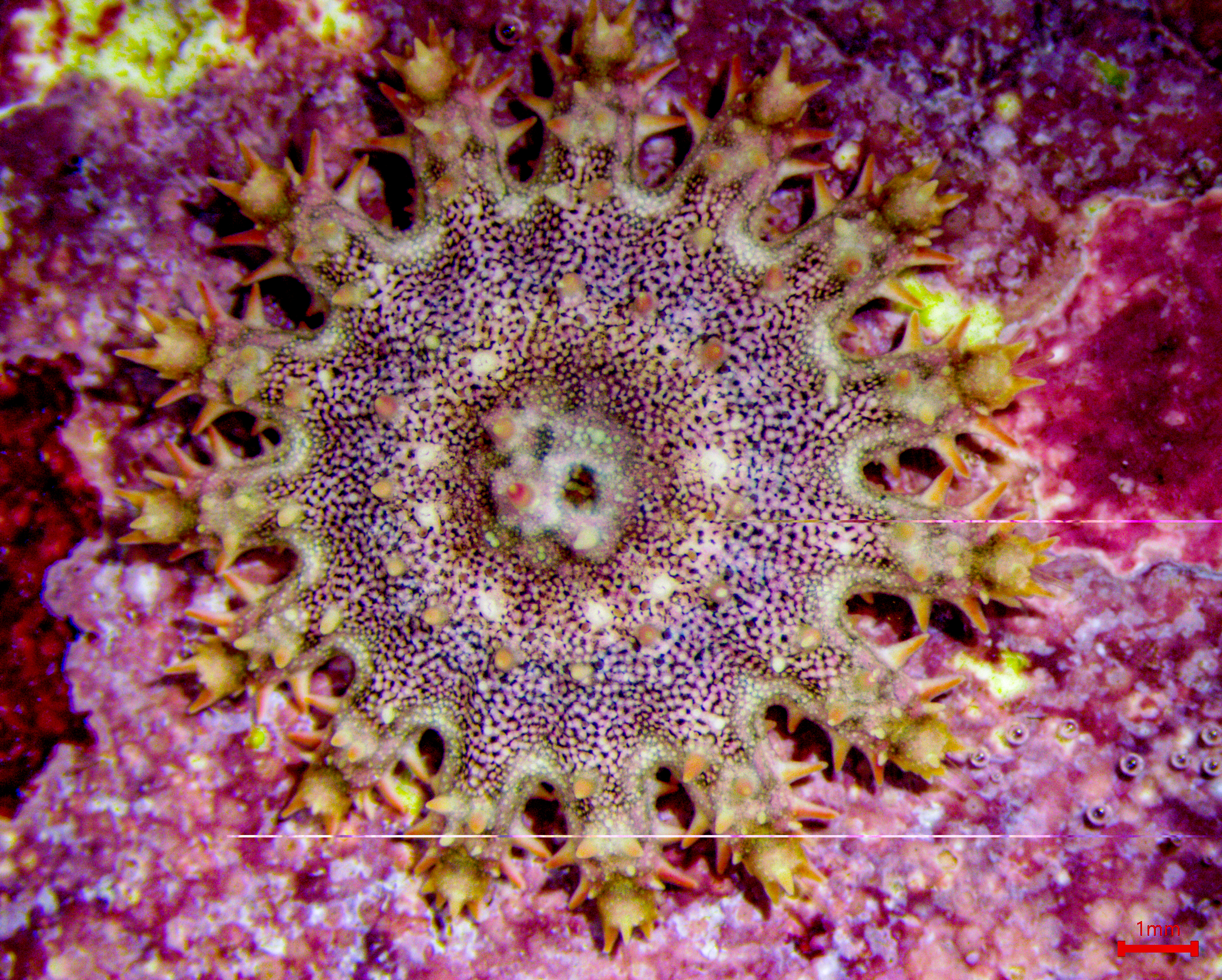 the Great Barrier Reef - more than any other single cause during that period. Recovery can take 10-20 years, but repeated disturbances are reducing the time available for reefs to recover.
Finding practical and cost- effective ways to protect corals and increase reef resilience is therefore urgent. Unlike many global pressures, COTS outbreaks can be directly managed. Earlier detection, better prediction and more efficient control can reduce coral loss while broader action addresses climate change.
National research infrastructure enabling solutions
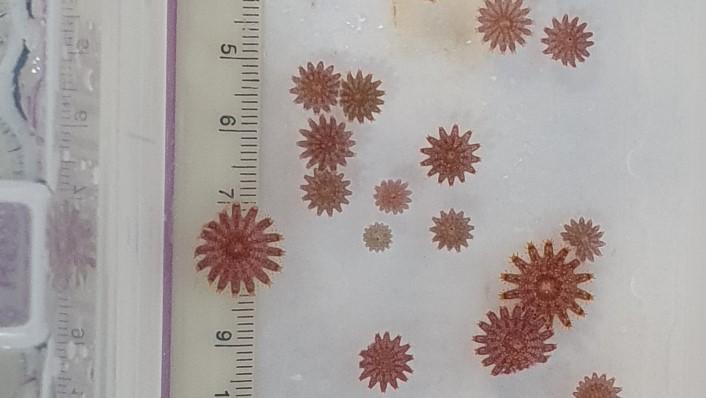
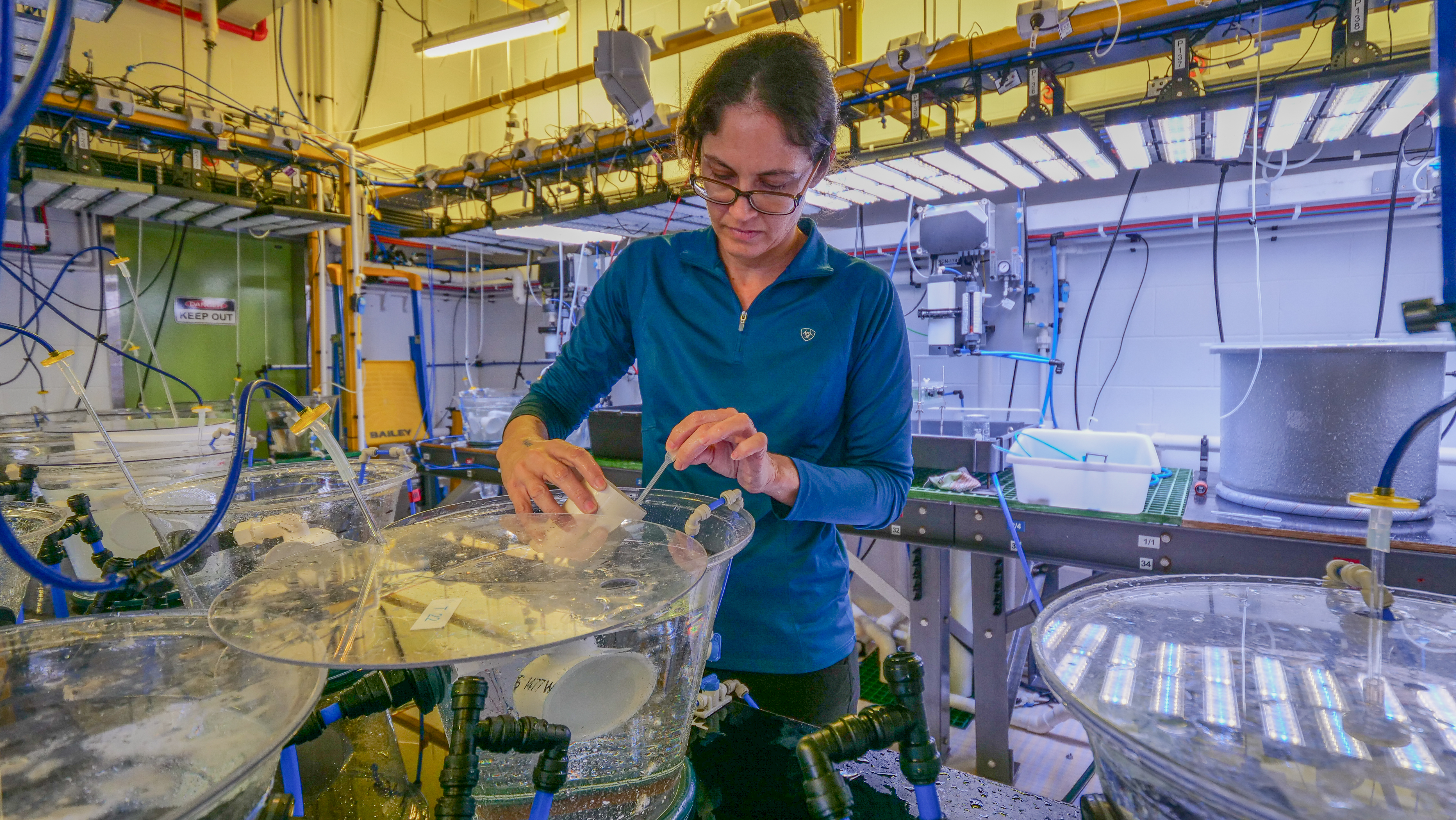
The Australian Institute of Marine Science's (AIMS) National Sea Simulator (SeaSim) provides precisely controlled seawater systems, specialist aquaria and technical expertise to study COTS throughout their life cycle. SeaSim staff and AIMS researchers developed flow-through larval culture systems that support COTS from fertilisation through development and settlement under natural conditions. Long-term juvenile culture has helped clarify previously hidden stages, including the transition from feeding on crustose coralline algae to coral.
SeaSim's environmental controls allow researchers to test how temperature, food supply and ocean acidification affect fertilisation, larval survival, development and settlement. Results show these drivers interact in complex ways: under some food conditions, a 2°C increase in temperature raised larval survival, while temperatures above about 32°C reduced successful transformation into juveniles. This knowledge helps anticipate how future climate may alter outbreak risk.
From discovery to detection and control
Research conducted in the SeaSim is also supporting practical management tools. Controlled flume experiments showed that COTS can detect and release peptide signals into the water column. Synthetic versions of these peptides altered starfish movement even at low concentrations, creating potential for environmentally safe attractants that aggregate COTS and make removal more efficient.
COTS larvae and adults maintained at SeaSim have enabled the development and validation of sensitive environmental DNA methods. By detecting genetic traces in seawater at densities below those normally found through reef surveys, eDNA could provide managers with earlier warning and more time to act.
Together, these advances show how investment in national research infrastructure turns fundamental biology into practical solutions. By improving prediction, early detection and control of COTS, SeaSim-supported research can help retain coral cover, protect biodiversity and strengthen the Great Barrier Reef's capacity to recover from escalating climate-related disturbances.


