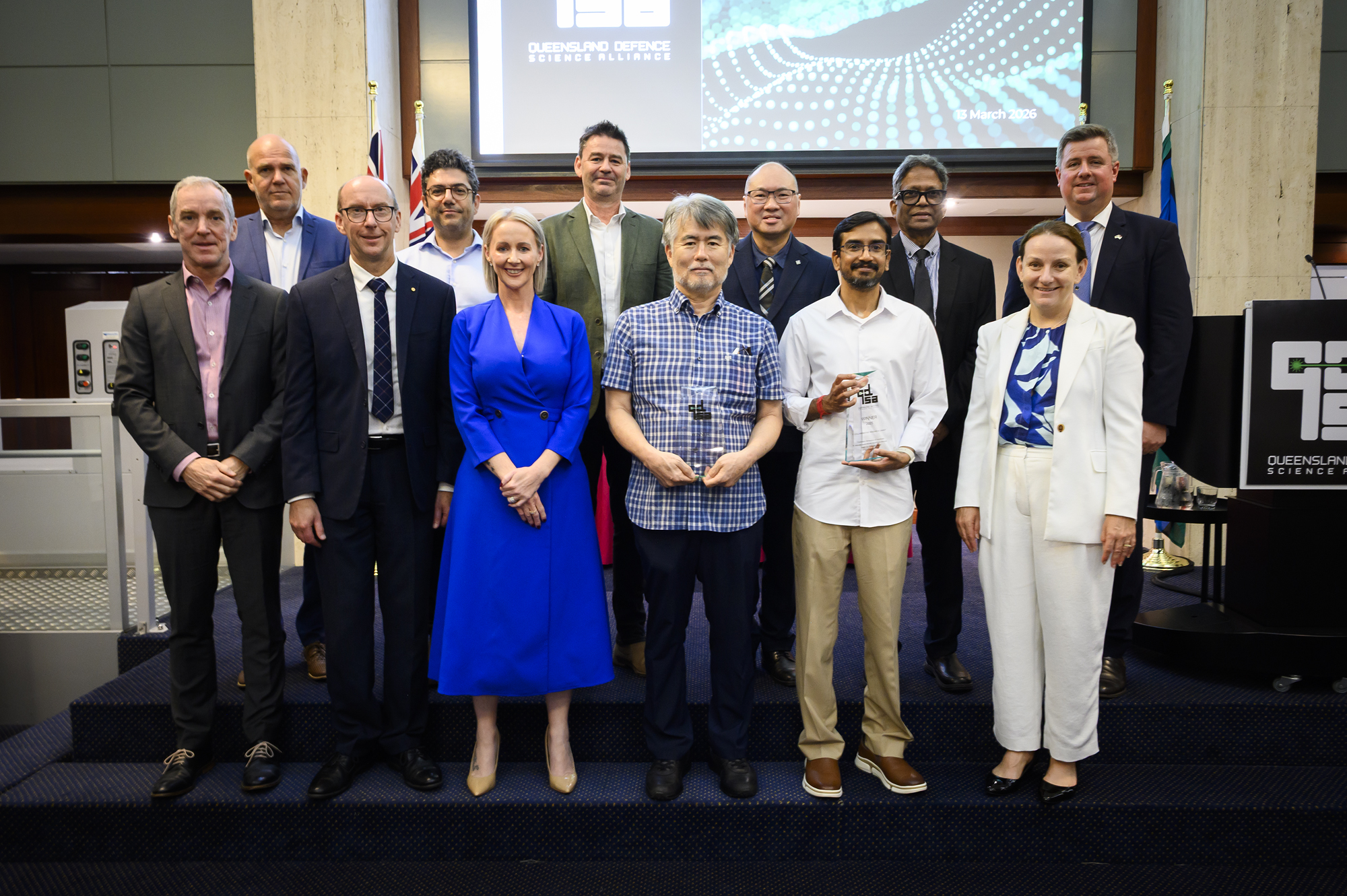
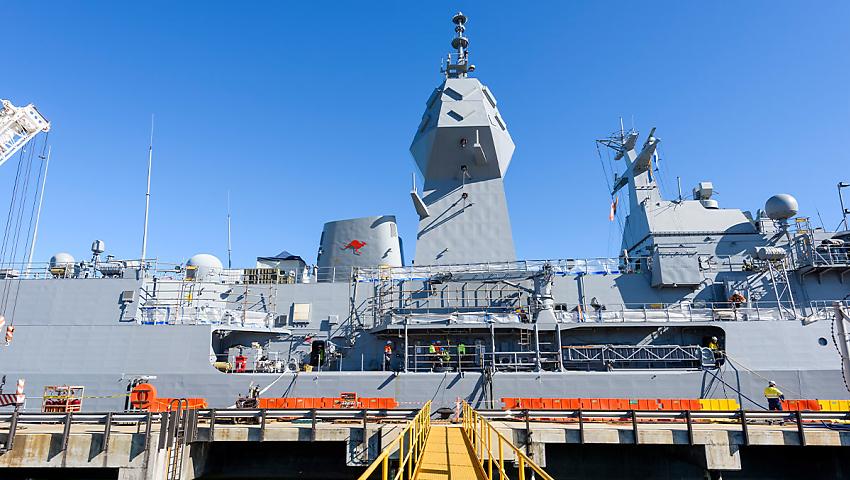
The National Sea Simulator (SeaSim), supported through NCRIS, is enabling a new Defence innovation partnership between Charles Darwin University, James Cook University, SPEE3D and the Queensland Defence Science Alliance (QDSA). Through QDSA’s Collaborative Research Grants program, the team is advancing Australia’s sovereign capability to manufacture and validate high‑performance materials for naval and littoral operations.
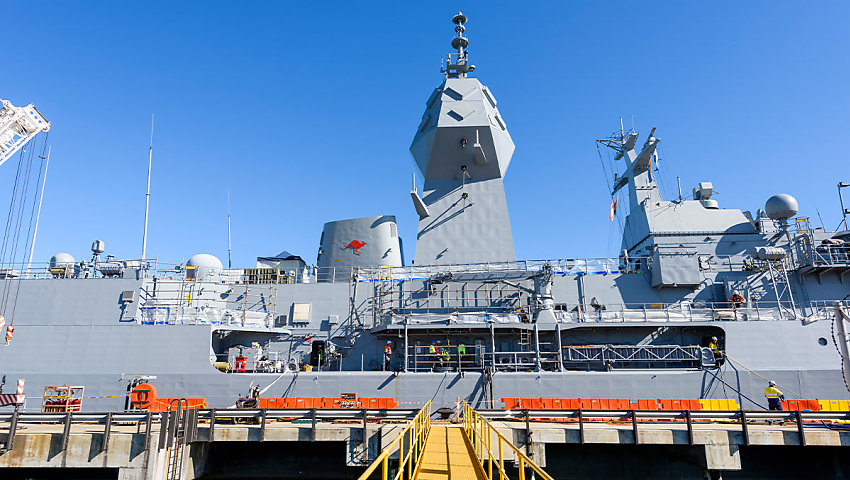
Nickel aluminium bronze (NAB) is a critical alloy for propulsion systems, yet traditional casting is slow, costly and increasingly constrained. This project leverages SPEE3D’s cold spray additive manufacturing (CSAM) technology to produce NAB components, including rare‑earth‑enhanced variants, in deployable, near‑net‑shape form. SeaSim provides the controlled marine environments required to rigorously test these materials under Defence‑relevant conditions.
Using SeaSim’s precision control of pH, salinity, temperature, flow and microbial activity, researchers are conducting corrosion, cavitation and microbiologically influenced corrosion (MIC) assessments alongside tropical field exposure trials. This integrated laboratory‑to‑field approach provides unprecedented insight into how CSAM‑produced alloys perform in harsh coastal environments.
By combining advanced manufacturing, corrosion engineering and world‑class marine infrastructure, this NCRIS‑enabled project strengthens Australia’s sovereign supply chains and supports rapid, on‑demand production or repair of critical marine components, delivering practical benefits for Defence capability in northern Australia and the broader Indo‑Pacific.